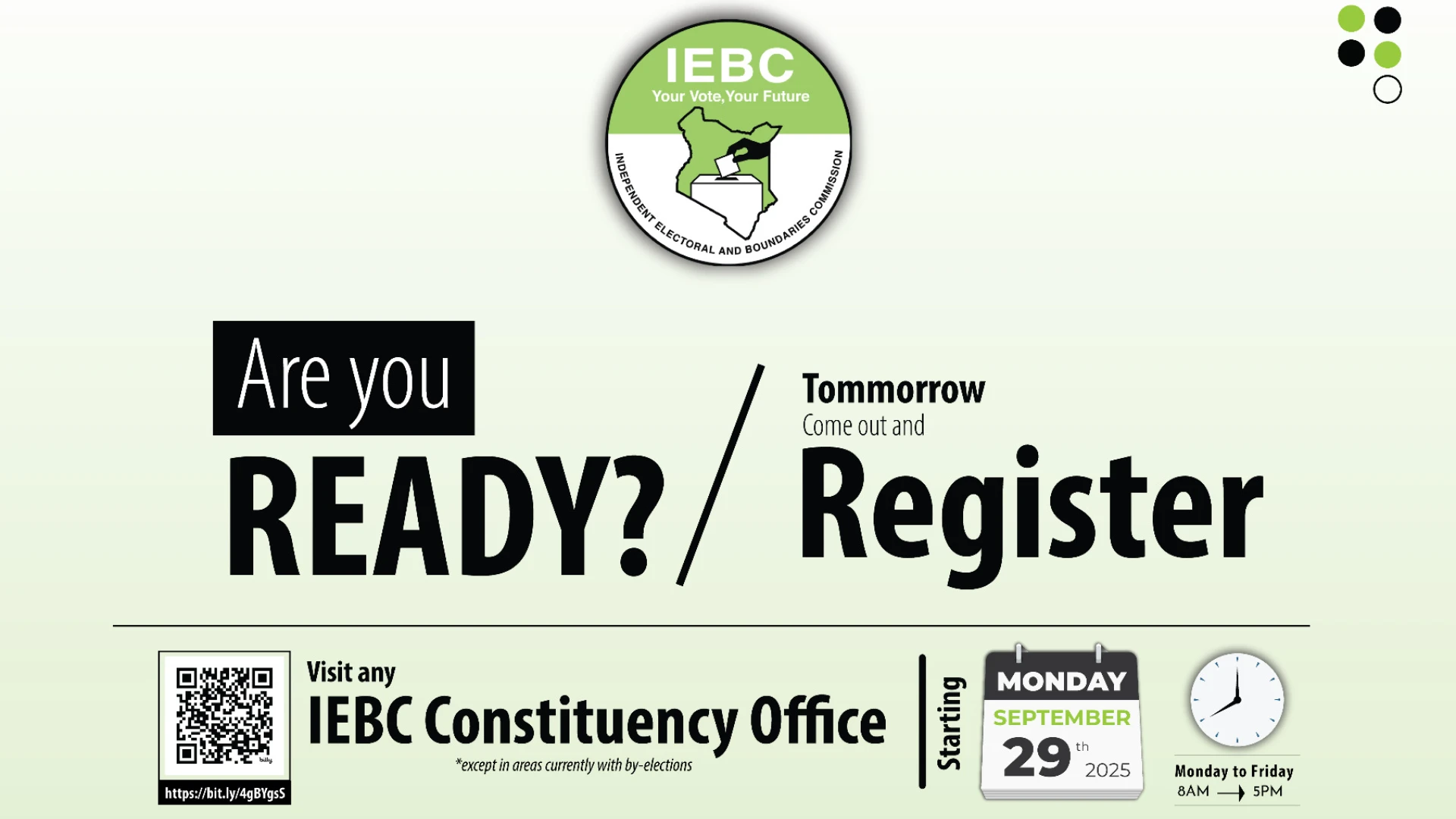

The Independent Electoral and Boundaries Commission (IEBC) has resumed the Continuous Voter Registration (CVR) process, a vital initiative aimed at registering new voters and updating existing voter details. This move is crucial as Kenya approaches its next election cycle. Within the first few days of the resumption, thousands of Kenyans have already registered or updated their voter details, signaling a positive response from the public. However, despite the optimism surrounding the process, the CVR has not been without its challenges and controversies.
Addressing “Ghost Voter” Concerns
One of the major concerns raised during the registration period is the issue of “ghost voters.” Reports emerged claiming that up to 2 million voters had been removed from the voter rolls in specific counties, fueling fears of electoral fraud and manipulation. These rumors have sparked significant public outcry. The IEBC, however, has swiftly denied these allegations, asserting that there have been no illegal removals of voters and that all the voters in the register are legitimate.
The IEBC has assured the public that the process of updating the voter register is being carried out with full transparency. According to the Commission, the regular auditing and verification of voter information are part of their commitment to maintaining an accurate and credible electoral process. Nonetheless, the rumors about “ghost voters” highlight the importance of keeping the electorate informed and reassured about the integrity of the voter register.
Why Accurate Voter Registration Matters
Accurate voter registration is the backbone of a fair and transparent election. It guarantees that all eligible citizens are able to exercise their democratic right to vote, free from fraud or manipulation. The registration process ensures that no one votes more than once and that only those legally entitled to vote are included in the rolls. The IEBC’s ongoing efforts to update the voter register, including the removal of ineligible or deceased voters, are critical in preventing electoral fraud and ensuring the credibility of the election process.
Additionally, accurate voter registration helps streamline the entire electoral process. From the timely distribution of ballots to ensuring the smooth running of polling stations, accurate data enables the IEBC to plan effectively for election day and beyond. Without an up-to-date voter register, there could be delays, confusion, or disputes that would undermine the integrity of the elections.
The Role of Public Participation in the CVR Process
The success of the Continuous Voter Registration process heavily relies on active public participation. It is essential that all eligible citizens register to vote or update their voter details, especially those who have recently turned 18 or moved to a new constituency. The IEBC has set up numerous registration centers across the country to make the process accessible. These centers are not only in urban areas but also in rural regions, ensuring inclusivity.
To make the process more accessible, the IEBC has also launched public awareness campaigns to educate citizens about the importance of voter registration. Through media outlets, social media, and community outreach, the Commission has been working to ensure that all Kenyans are aware of the registration deadlines and procedures. However, despite these efforts, some individuals remain unaware or hesitant to participate, which highlights the ongoing need for increased voter education.
Technology and Voter Registration
The role of technology in the voter registration process has become increasingly important in Kenya. The IEBC has adopted modern technological systems to streamline voter registration, such as biometric data collection and electronic voter identification. These advancements aim to enhance the accuracy of the voter register and ensure that every voter is uniquely identified.
The Kenya Integrated Election Management System (KIEMS) is one such technological solution that has revolutionized voter registration. By using electronic voter identification systems, the IEBC can quickly and efficiently process voter registrations and updates, reducing human errors and enhancing the overall transparency of the process. However, this also means that any malfunction or delay in technology could have significant implications, making the need for thorough testing and maintenance of systems even more critical.
Potential Challenges Moving Forward
Despite the positive strides made, the CVR process faces several challenges. Some of the common issues include:
- Technological Glitches: Although the IEBC’s adoption of technology has improved the registration process, technical issues such as system downtimes or data entry errors can still occur, potentially frustrating voters and hindering the registration process.
- Inaccessibility in Remote Areas: While registration centers are set up nationwide, there are still areas in Kenya where access to these centers is limited. In rural or marginalized regions, some citizens may face difficulty in reaching registration centers, which could disenfranchise them.
- Voter Apathy: Despite the importance of voter registration, there remains a significant portion of the population that is either unaware or uninterested in participating. Some people may not see the value in updating their voter details or feel disconnected from the electoral process, which could result in lower participation rates.
- Legal Challenges: Any perceived or real irregularities in the voter register could lead to legal challenges, as seen in previous elections. It is essential for the IEBC to maintain transparency and provide clear communication to avoid any doubts that could result in lengthy legal disputes.
The Road Ahead: Ensuring a Credible Voter Register
As Kenya moves toward the next general elections, ensuring the accuracy and integrity of the voter register remains a top priority for the IEBC. The Commission must continue to build trust with the public by being transparent in its processes and addressing any concerns or misconceptions, such as those surrounding “ghost voters.” Furthermore, efforts to encourage voter registration must be amplified, especially in rural and underserved areas.
To ensure that every eligible citizen can participate in the upcoming elections, the IEBC must not only focus on the technical aspects of voter registration but also invest in increasing public awareness and engagement. A well-informed electorate is critical to the success of the democratic process.
Conclusion
The Continuous Voter Registration process is a vital component of Kenya’s election cycle. While the rumors of “ghost voters” have raised concerns, the IEBC’s commitment to maintaining a transparent and accurate voter register is crucial to ensuring a fair and credible election. Moving forward, it is important for the IEBC to continue educating the public, addressing concerns, and improving the registration process to ensure that all eligible voters can participate in the 2027 elections. By doing so, Kenya can strengthen its democratic process and ensure that its elections are free, fair, and inclusive.