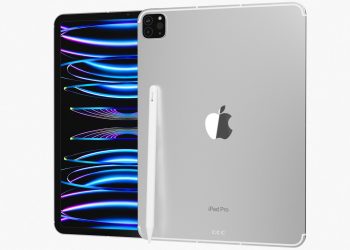
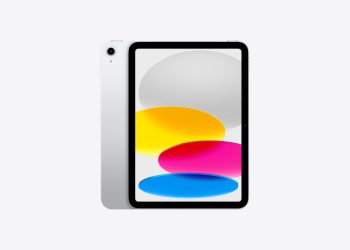
The Apple iPad Wi-Fi + 3G, launched in March 2010, was a significant step forward in Apple’s tablet lineup. This version added 3G connectivity to the Wi-Fi model, allowing users to access mobile data on the go. With the same large 9.7-inch display and the familiar iOS interface, the iPad Wi-Fi + 3G provided an enhanced experience for those who needed connectivity beyond Wi-Fi. Although discontinued, the iPad Wi-Fi + 3G played an important role in expanding the appeal of tablets for users seeking both portability and connectivity.
In this article, we’ll explore the Apple iPad Wi-Fi + 3G full tablet specifications, covering the camera, design, display, performance, and more. Let’s take a closer look at the features that made this tablet a revolutionary device at the time.
Apple iPad Wi-Fi + 3G Full Tablet Specifications
| Specification | Details |
|---|---|
| Network Technology | GSM / HSPA |
| Launch | Announced: January 2010, Released: March 2010 |
| Status | Discontinued |
| Body Dimensions | 242.8 x 189.7 x 13.4 mm (9.56 x 7.47 x 0.53 in) |
| Weight | 730 g (1.61 lb) |
| SIM | Micro-SIM |
| Display Type | IPS LCD |
| Display Size | 9.7 inches, 291.4 cm² (~63.3% screen-to-body ratio) |
| Display Resolution | 768 x 1024 pixels, 4:3 ratio (~132 ppi density) |
| Display Protection | Scratch-resistant glass, oleophobic coating |
| Operating System | iOS 4, upgradable to iOS 5.1.1 |
| Chipset | Apple A4 (45 nm) |
| CPU | 1.0 GHz Cortex-A8 |
| GPU | PowerVR SGX535 |
| Storage Options | 16GB, 32GB, 64GB with 256MB RAM (no card slot) |
| Main Camera | None |
| Selfie Camera | None |
| Audio | Loudspeaker |
| 3.5mm Jack | Yes |
| WLAN | Wi-Fi 802.11 a/b/g/n, dual-band |
| Bluetooth | 2.1, A2DP, EDR |
| Positioning | GPS, A-GPS |
| USB | 2.0 |
| Sensors | Accelerometer, Compass |
| Browser | HTML (Safari) |
| Battery | Non-removable Li-Po 6600 mAh battery (24.8 Wh) |
| SAR | Not available |
| Colors | Silver |
| Models | iPad1,2 |
| Price | About 410 EUR |
Camera
The Apple iPad Wi-Fi + 3G does not feature a camera, which was typical for tablets during its release. The absence of both front and rear cameras limited its functionality in terms of video conferencing or photography. Users interested in taking photos or videos on the go had to rely on other devices, as this model was primarily designed for media consumption and productivity.
Design and Display
The iPad Wi-Fi + 3G featured a 9.7-inch IPS LCD display, delivering vibrant and sharp visuals at a resolution of 768 x 1024 pixels. With a 63.3% screen-to-body ratio, the display provided a comfortable viewing area for browsing, reading, and media consumption. The display was protected by scratch-resistant glass with an oleophobic coating, which helped to minimize smudges and fingerprints.
With body dimensions of 242.8 x 189.7 x 13.4 mm and a weight of 730g, the iPad Wi-Fi + 3G offered a solid and premium feel while remaining portable enough for users on the go. The device was available in silver, adding to its sleek and stylish design.
Performance
The iPad Wi-Fi + 3G was powered by the Apple A4 chipset, which included a 1.0 GHz Cortex-A8 processor and a PowerVR SGX535 GPU. This combination of hardware delivered smooth performance for basic tasks like web browsing, media consumption, and light productivity apps. The device came with 256MB of RAM, which was sufficient for the time, although modern tablets have significantly more RAM for multitasking.
The iPad Wi-Fi + 3G ran iOS 4 at launch and could be upgraded to iOS 5.1.1, allowing users to access apps from the App Store and enjoy the functionality that would later be standard in Apple’s tablet lineup.
Battery and Charging
The iPad Wi-Fi + 3G included a 6600 mAh Li-Po battery, offering up to 10 hours of usage on a full charge. This was one of the standout features of the device, making it ideal for extended use without the need for frequent recharging. The non-removable nature of the battery contributed to the slim design, but it also meant that users could not easily replace the battery themselves.
Durability
The iPad Wi-Fi + 3G was built to be durable with high-quality materials such as scratch-resistant glass and a sturdy aluminum frame. However, like many early devices, it lacked water and dust resistance, which has since become a standard feature in more recent tablets. The iPad’s durability made it a reliable device for everyday use, though users had to be cautious about potential drops or impacts.