


The abdominal muscles are among the most sought-after areas to train, not only for aesthetic reasons but also for performance, stability, and health. Strong abs protect the spine, support posture, and provide the foundation for nearly every athletic movement. Despite their importance, many people train abs with ineffective methods, focusing only on crunches or sit-ups. A comprehensive approach is essential.
The best exercises for abs target the entire core: rectus abdominis, obliques, and transverse abdominis. Together, these muscles stabilize the trunk, power rotational movements, and create the well-defined midsection many people aim for. To maximize results, your ab training should balance strength, endurance, and stability while also considering lifestyle, diet, and recovery.
Understanding Ab Anatomy
To design an effective ab workout, it’s important to know the main muscles involved:
- Rectus Abdominis: Known as the “six-pack,” these muscles flex the spine and stabilize the torso.
- External Obliques: Located on the sides, they help with rotation and side bending.
- Internal Obliques: Found beneath the external obliques, they assist in trunk rotation and stability.
- Transverse Abdominis: The deepest abdominal muscle, wrapping around the torso like a corset to stabilize the spine and pelvis.
By training each of these areas, you improve both function and appearance.
Why Core Training Matters
Strong abs benefit far more than looks. A powerful core:
- Improves posture and reduces lower back pain
- Enhances athletic performance in running, lifting, and sports
- Provides balance and stability for everyday movements
- Protects internal organs and reduces injury risk
This is why ab training should be a priority in any fitness program.
Common Mistakes in Ab Training
Before diving into the best exercises for abs, avoid these errors:
- Overtraining crunches: Limits activation to just the rectus abdominis.
- Ignoring obliques and transverse abs: Leads to imbalances and weaker stability.
- Training daily without rest: Prevents recovery and slows progress.
- Using momentum: Reduces effectiveness and increases injury risk.
- Neglecting diet: Even strong abs won’t be visible without proper nutrition.
Best Exercises for Abs
Plank Variations
Planks engage all core muscles simultaneously.
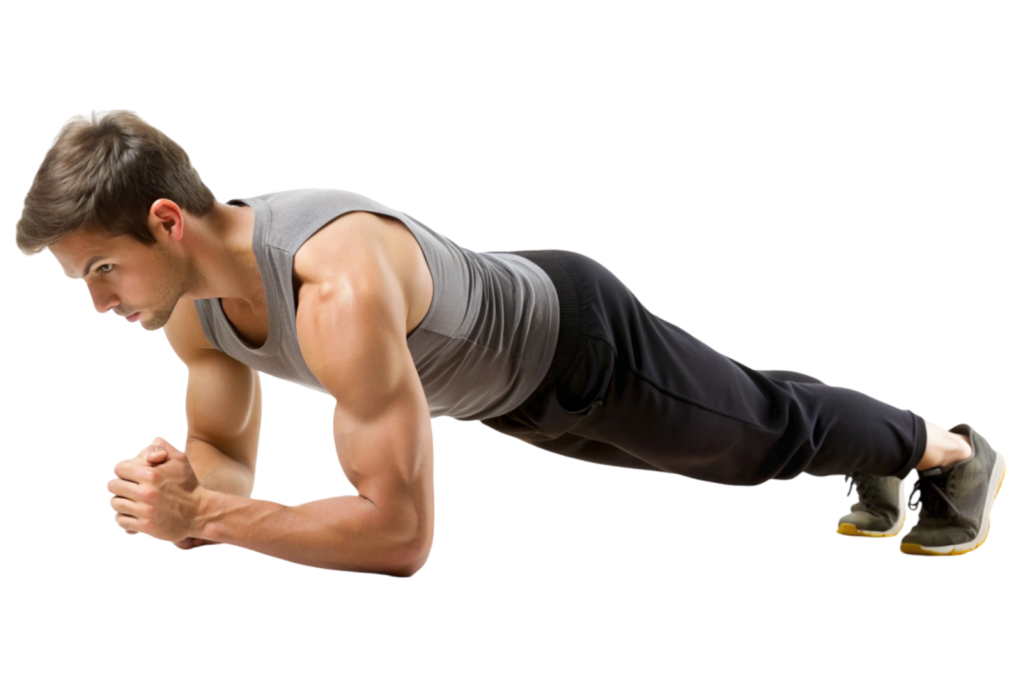
- Standard Plank: Hold 30–60 seconds, keeping the spine neutral.
- Side Plank: Strengthens obliques and hip stabilizers.
- Plank Shoulder Taps: Add instability to improve control.
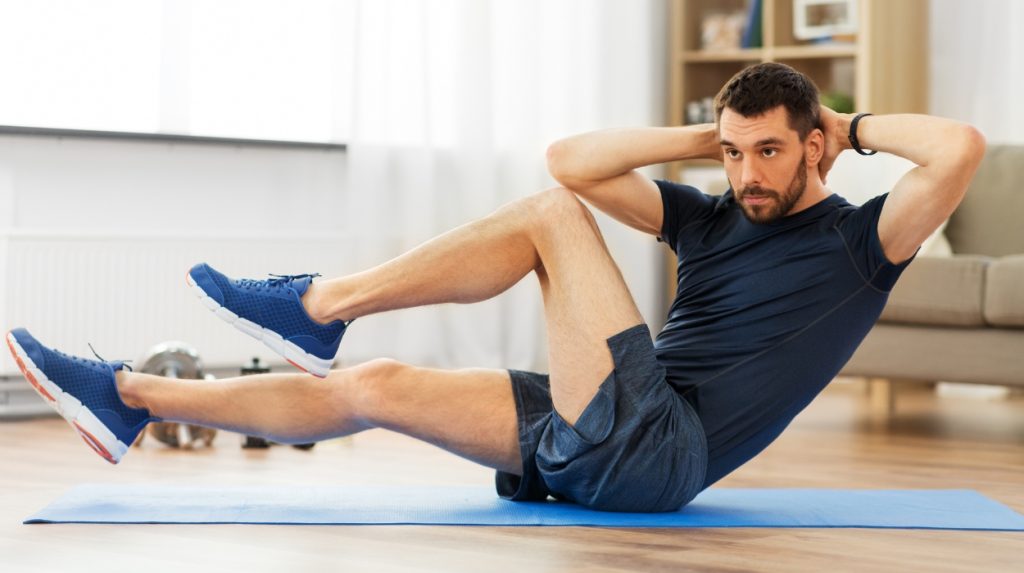
Bicycle Crunches
Lie on your back, lift your legs, and perform a pedaling motion while bringing opposite elbow to knee. This exercise engages both upper and lower abs as well as obliques.
Hanging Leg Raises
Hang from a pull-up bar and raise legs to hip level. This advanced move challenges lower abs and grip strength. Beginners can start with knee raises.
Russian Twists
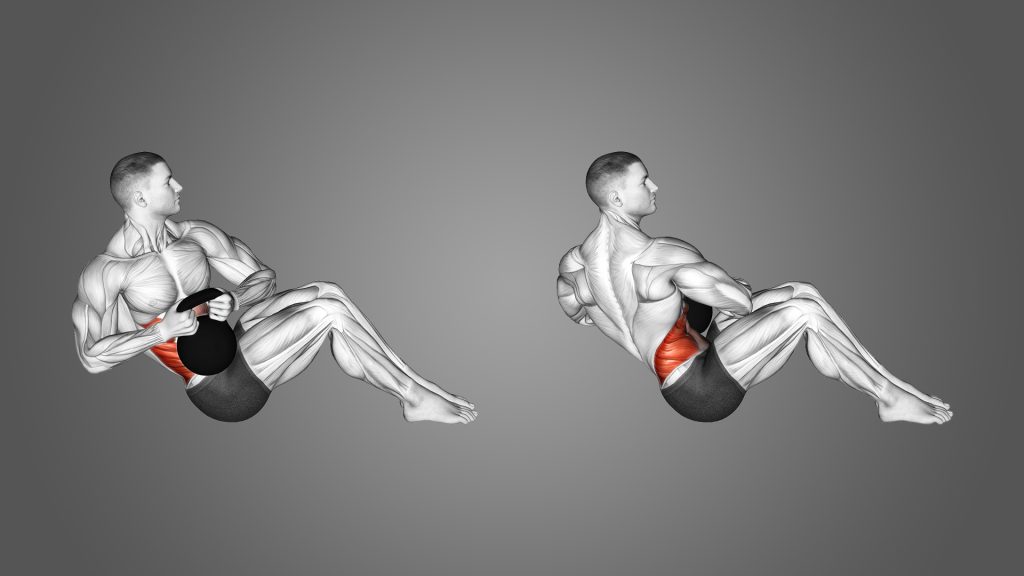
Sit with knees bent, lean slightly back, and twist the torso side to side. Add a weight for progression. This exercise develops rotational strength and oblique definition.
Mountain Climbers
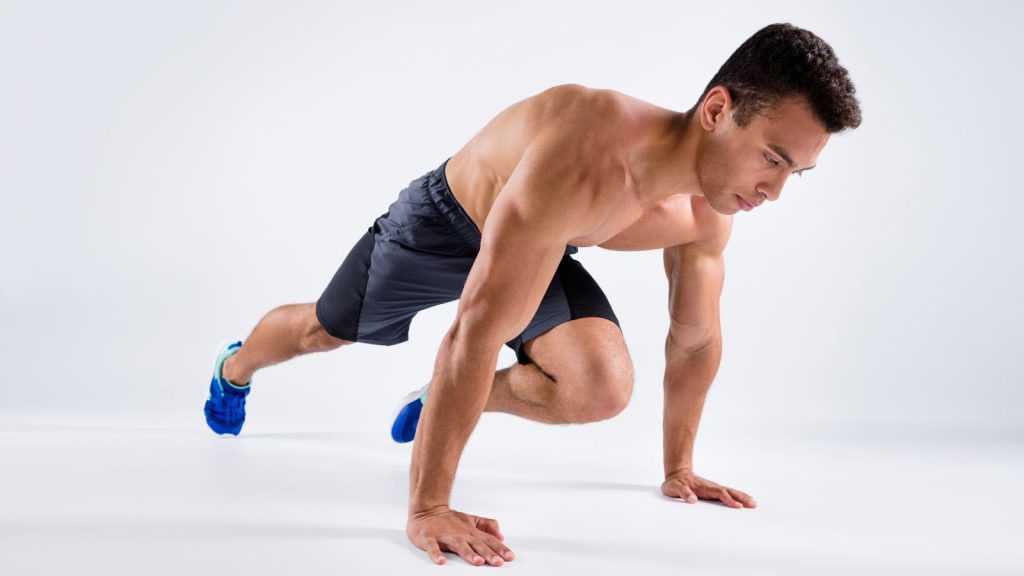
From a plank position, drive knees toward the chest alternately at high speed. This builds endurance, strengthens the lower abs, and provides a cardio boost.
Ab Rollouts
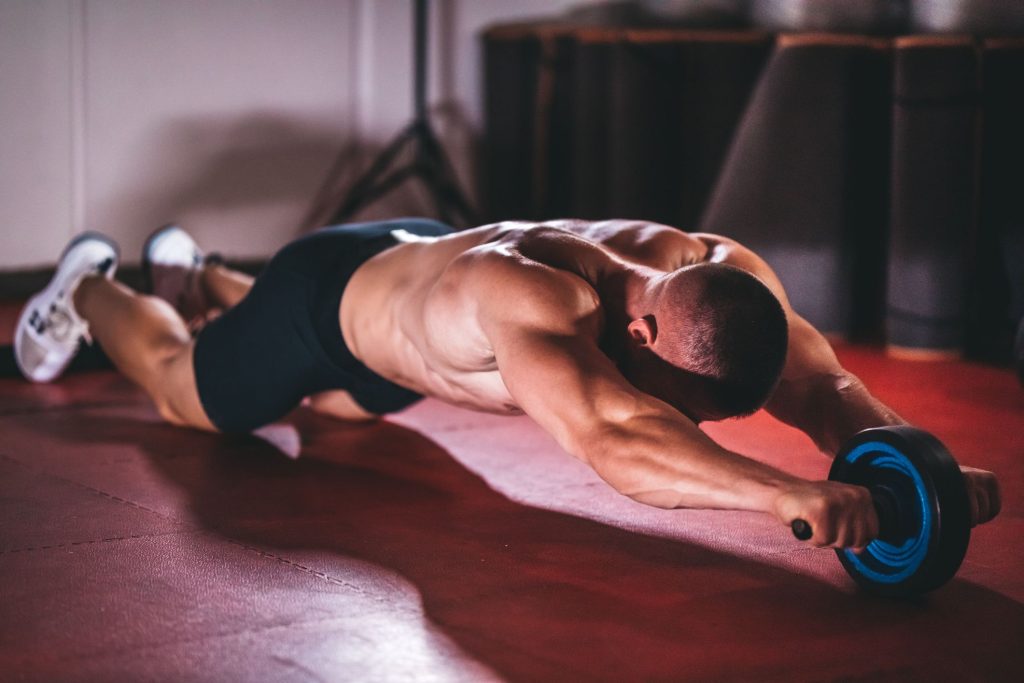
Using an ab wheel, roll forward slowly and return under control. This advanced exercise strengthens deep stabilizers and builds serious core strength.
Dead Bug
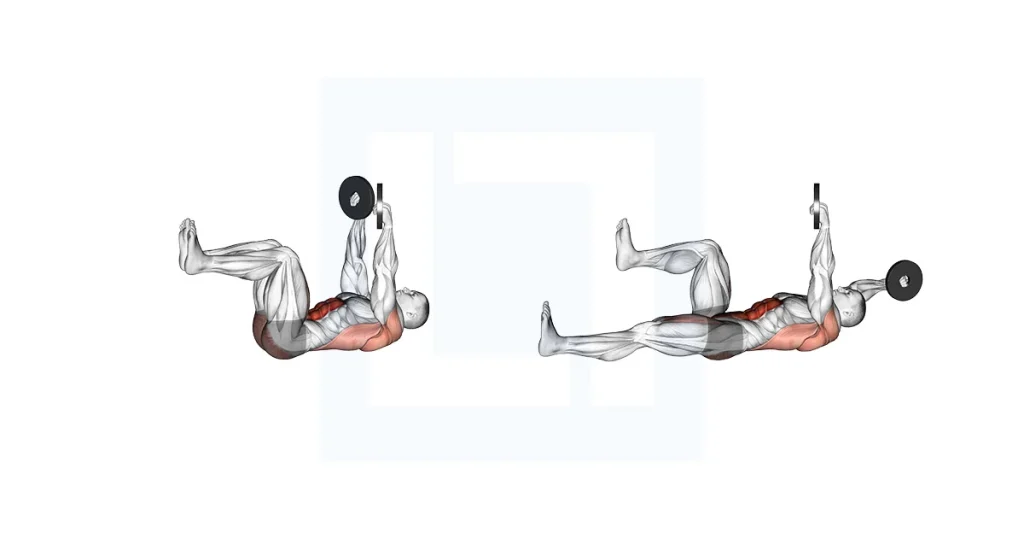
Lie on your back, extend opposite arm and leg while keeping the core braced. Alternate sides for controlled reps. This move improves spinal stability and coordination.
Flutter Kicks
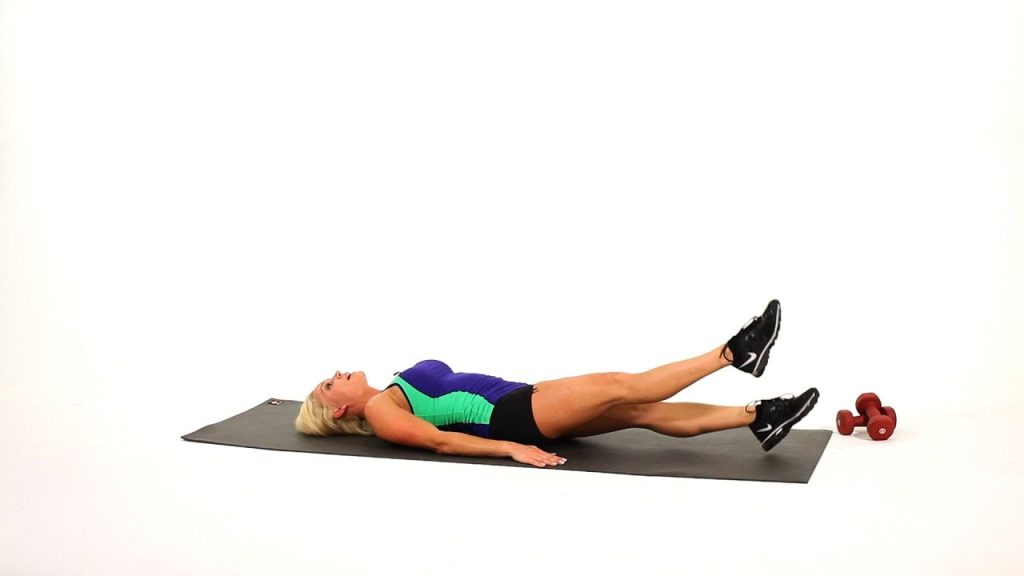
Lie flat, lift legs slightly off the floor, and kick in small controlled motions. Excellent for endurance and targeting the lower abs.
How to Structure Ab Workouts
The best exercises for abs should be combined into a routine that balances effort and recovery. For beginners:
- 2–3 ab sessions per week
- 4–5 chosen exercises per session
- 2–3 sets of 10–15 reps (or 20–30 seconds for holds)
Intermediate lifters can increase intensity with resistance bands, weights, or longer hold times. Advanced athletes should progress to ab rollouts, hanging windshield wipers, or weighted Russian twists.
Lifestyle and Nutrition
Training abs alone won’t produce definition if body fat remains high. A balanced approach includes:
- Nutrition: Prioritize lean protein, whole grains, and vegetables. Reduce processed sugars and excess fats.
- Cardio: Add 20–30 minutes of moderate cardio 3 times per week to burn calories.
- Sleep and Hydration: Recovery and muscle growth rely on quality rest and proper hydration.
Weekly Sample Ab Plan
Beginner
- Plank: 3 x 30 sec
- Bicycle Crunches: 3 x 12 per side
- Dead Bug: 3 x 10 per side
- Flutter Kicks: 3 x 20 sec
Intermediate
- Side Plank: 3 x 30 sec per side
- Russian Twists: 3 x 15 per side
- Hanging Knee Raises: 3 x 12
- Mountain Climbers: 3 x 20 sec
Advanced
- Ab Rollouts: 3 x 8–10
- Hanging Leg Raises: 3 x 12
- Weighted Russian Twists: 3 x 15 per side
- Plank Shoulder Taps: 3 x 20
By combining these structured routines with proper lifestyle habits, you can unlock both visible definition and deeper functional strength. The best exercises for abs work not only for aesthetics but also for overall physical performance.


