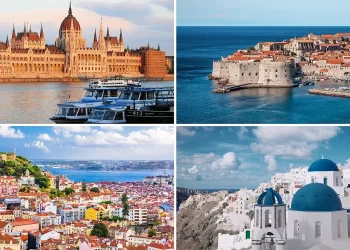
As 2026 unfolds, the world offers new, exciting travel opportunities that blend culture, history, nature, and sustainability. From the rolling vineyards of Chile to the pristine, less-explored islands of the South Pacific, travelers are eager to explore destinations that promise unforgettable experiences while supporting local communities, environmental conservation, and the preservation of cultural heritage. Here are some of the best places to travel in 2026, offering something unique for every kind of traveler—from cultural enthusiasts to adventure seekers and sustainability-minded globetrotters.
1. Abu Dhabi, UAE: Cultural and Entertainment Expansion

Abu Dhabi has long been known for its opulence, but 2026 promises even more with a year packed with major cultural openings and entertainment attractions. The city’s Saadiyat Cultural District is entering its defining phase with the opening of several new museums, including the world’s largest digital art museum, TeamLab Phenomena, and the long-awaited Zayed National Museum, which explores the country’s history before its oil boom. The Natural History Museum Abu Dhabi will also open its doors, while the grand Guggenheim Abu Dhabi—though delayed—is expected in the coming years.
Beyond culture, Abu Dhabi is expanding its theme park offerings, with a Harry Potter extension coming to Warner Bros. World Abu Dhabi and an expanded Yas Waterworld, along with plans for the Middle East’s first Disneyland. Whether you’re an art lover, thrill-seeker, or culture enthusiast, Abu Dhabi is primed to offer something unforgettable in 2026.
2. Algeria: Ancient Ruins and Rolling Dunes
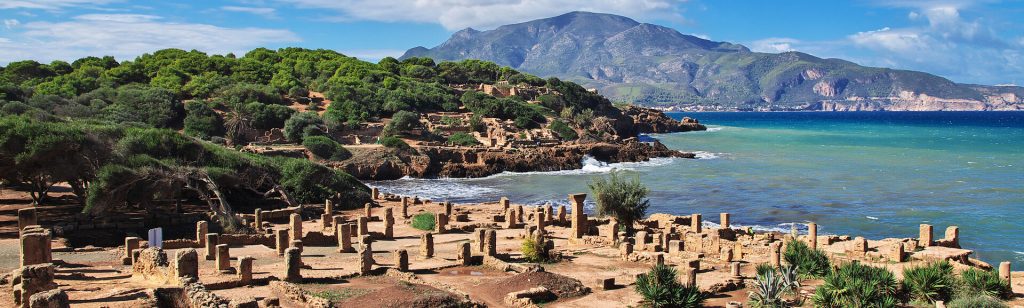
Algeria, long considered a hidden gem in African tourism, is slowly emerging as a must-visit destination. The country boasts Roman ruins, such as those at Timgad and Djémila, both with no crowds to fight through, making it a perfect destination for history buffs. The capital, Algiers, offers a unique blend of architectural influences, from its Phoenician roots to its colonial history.
In addition to ancient history, Algeria’s desert landscapes offer breathtaking beauty. The Algerian Sahara, with its rolling dunes and the oasis town of Djanet, is a fantastic spot for desert exploration. With a new visa-on-arrival policy and increased accessibility, 2026 could be the year to discover Algeria’s beauty and history.
3. Colchagua Valley, Chile: Wine, Cowboys, and Stargazing

Chile’s Colchagua Valley, located just two hours south of Santiago, is an excellent place to explore in 2026. Known for its wine, the region is home to several world-renowned vineyards like Viu Manent and Casa Silva. The area is not just about wine—visitors can explore colonial haciendas, hike in the scenic Andes, or experience the heart of Chile’s cowboy culture.
For those interested in the stars, the Cerro Chaman Observatory offers some of the clearest skies for stargazing. The Colchagua Wine Route is celebrating its 30th anniversary in 2026, making it the perfect time to experience Chile’s delicious wines, picturesque landscapes, and rich culture.
4. Cook Islands: Paradise in the South Pacific

The Cook Islands, often overshadowed by Fiji and Tahiti, is the perfect destination for travelers seeking a more authentic, less commercialized experience in the South Pacific. With 15 islands to explore, the Cook Islands offer blue lagoons, lush landscapes, and a welcoming Polynesian culture. In 2026, travelers will have access to new luxury accommodations, such as barefoot luxury stays and eco-friendly lodges, as the government increases its focus on preserving the natural environment.
The Cook Islands also offer a unique opportunity to support conservation efforts. The Marae Moana marine park, one of the world’s largest, is under continuous protection, and tourism here directly contributes to environmental preservation. A trip to the Cook Islands means not only enjoying natural beauty but also leaving a positive impact on its ecosystems.
5. Costa Rica: A Biodiversity Hotspot
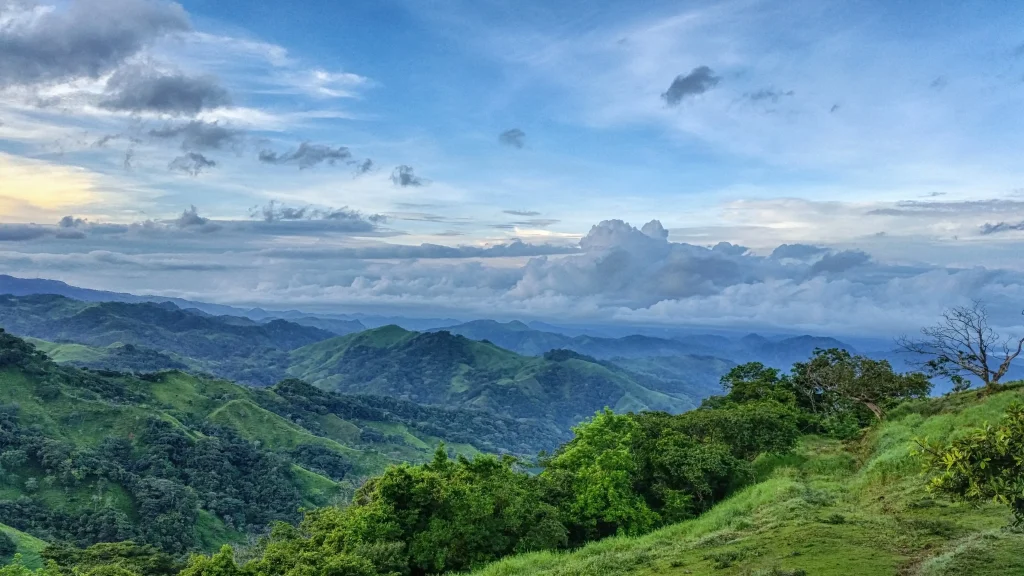
Costa Rica remains one of the world’s most biodiverse destinations, and 2026 promises to be a transformative year for travelers and conservationists alike. The country, a leader in sustainable tourism, is expanding its protected areas to strengthen habitats for jaguars and migratory sharks. Costa Rica’s rainforest, volcanic peaks, and stunning beaches offer an ideal backdrop for eco-tourism.
Tourists can enjoy activities such as guided hikes through Corcovado National Park, yoga retreats, and surf schools. Costa Rica is on track to become carbon-neutral by 2050, making it a top destination for those looking to experience adventure while supporting environmental sustainability.
6. Hebrides, Scotland: Whisky, Stone Circles, and Scenic Wonders

The Hebrides of Scotland, home to rugged landscapes, ancient stone circles, and a burgeoning whisky scene, is an underrated gem for 2026. The Calanais Standing Stones on Lewis, one of the most impressive megalithic sites in Europe, will soon feature a new visitor center to bring visitors closer to its mystical history. The island of Islay, already famous for its whisky, will add two new distilleries in 2026, further solidifying its place on the global spirits map.
The Hebrides are also known for their dramatic beaches, including the beautiful white sands of Barra. In addition to whisky tours, visitors can explore the wild, untouched wilderness of the Prokletije mountains, enjoy local festivals, and immerse themselves in the island’s ancient culture.

Ishikawa, located on Japan’s Noto Peninsula, is making a comeback in 2026, particularly in the wake of the 2024 earthquake. This region is famous for its traditional crafts, such as gold-leaf production and Kaga Yuzen silk dyeing. Ishikawa’s city of Kanazawa is a must-see for its historic gardens, and the Noto Peninsula offers a chance to support a region still recovering from the earthquake.
For foodies, the region is known for its world-class seafood and sake, with local breweries now operational again. The area offers a chance to support local artisans and participate in cultural preservation through tourism. Visiting Ishikawa in 2026 means not only experiencing its beauty but also contributing to its recovery and renewal.
8. Komodo Islands, Indonesia: Prehistoric Wildlife and Conservation

For nature lovers and wildlife enthusiasts, the Komodo Islands offer one of the most unique travel experiences in the world. Home to the famous Komodo dragons, the islands are part of a UNESCO World Heritage-listed national park that also boasts stunning coral reefs and crystal-clear waters teeming with marine life. In 2026, Indonesia will continue to strengthen its conservation efforts by managing visitor access to protect both the dragons and delicate ecosystems.
Strict permits and ranger-led tours ensure that tourism helps support local communities and conservation efforts. Exploring the Komodo Islands offers a rare opportunity to witness ancient wildlife and contribute to preserving one of the planet’s most biodiverse regions.
9. Loreto, Baja California Sur, Mexico: Wildlife and Desert Islands

Loreto, located on Mexico’s Baja California peninsula, is a hidden gem for eco-tourism. As the 30th anniversary of Loreto Bay National Park approaches, visitors can enjoy the Gulf of California’s rich marine life, including blue whales and sea turtles, as well as desert islands and wildlife corridors.
In 2026, Loreto’s expansion into new protected areas will create even more opportunities for travelers to connect with nature. Through community-run eco-lodges and naturalist-led adventures, visitors can participate in citizen science, helping track whale migrations and assist with coastal clean-ups. Loreto offers a chance to experience adventure and relaxation while supporting conservation efforts.
10. Montenegro: Untouched Wilderness and Vibrant History

Montenegro, a young nation on the Adriatic Sea, is celebrating its 20th anniversary of independence in 2026. The Bay of Kotor, with its Venetian architecture and dramatic fjord-like landscapes, is a popular destination for travelers seeking beauty and tranquility. But beyond the coast lies Montenegro’s untouched wilderness, including the Prokletije mountain range and the UNESCO-listed Lake Skadar, a bird-watching paradise.
Montenegro’s dramatic landscapes are perfect for adventure enthusiasts, with hiking trails like the Peaks of the Balkans, a cross-border trek through Montenegro, Albania, and Kosovo. These trails connect remote mountain communities, using sustainable tourism to generate income and preserve the region’s culture.