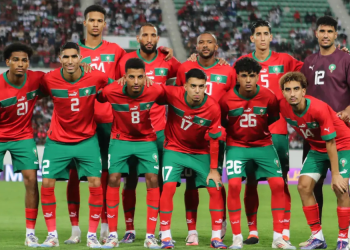
International breaks in football are highly anticipated events that allow national teams to compete in various prestigious competitions, whether for glory, qualification, or preparation. These breaks provide fans with an opportunity to follow their countries on the global stage, while also offering a respite from club football. For players, however, international breaks are often a double-edged sword. While they get the opportunity to represent their country, these breaks can also lead to injury risks, fatigue, and disruptions in their club schedules.
This comprehensive guide covers everything you need to know about international football breaks, including important dates, competitions, and the schedule for both men’s and women’s soccer. Whether you are a fan looking to stay up to date on the international football calendar or a player navigating the demands of these breaks, this guide will ensure you have all the information you need.
International Breaks in Men’s Football: Key Dates and Tournaments
International breaks in men’s football allow national teams from around the world to compete in qualifiers for major tournaments, such as the FIFA World Cup, continental championships, and regional competitions. These breaks also provide the opportunity for friendly matches and testing new lineups. The rhythm of the international football calendar is generally consistent, but it’s always packed with key tournaments.
March International Break
Typically, the March international break features critical World Cup qualifiers. This period is often the first major window of the calendar year when nations begin their journey toward the next global tournament. Teams also participate in friendly matches and regional competitions during this time.
In March, you’ll find teams from Europe, South America, Africa, and Asia competing in qualifying rounds for the FIFA World Cup. The UEFA Nations League finals also often take place during this month, providing further excitement for fans of European teams.
June and July: Major Competitions and World Cup Qualifiers
In June, the international break is usually marked by the CONCACAF Gold Cup. This tournament brings together the best national teams from North America, including the USMNT, Mexico, and Canada, along with other teams from the Caribbean and Central America. The Gold Cup is one of the major competitions for teams in the CONCACAF region, offering a chance to win regional glory and serve as a platform for future World Cup qualification.
Additionally, World Cup qualifiers continue in this period, with European, South American, and African teams looking to solidify their positions ahead of the tournament.
September and October: Final Push for World Cup Qualification
The international breaks in September and October are key periods for World Cup qualification, as nations make their final push to secure automatic spots for the tournament. This is when the battle for places at the FIFA World Cup intensifies, and teams either confirm their qualification or find themselves fighting for survival in the qualification rounds.
These months also offer the opportunity for teams to fine-tune their tactics ahead of the winter tournament. With international windows becoming increasingly important for team preparation, September and October provide coaches the chance to work with their players before the final qualification matches.
November: Final International Fixtures Before the Year Ends
In November, the final international break before the end of the year serves as one last chance to secure qualification for the FIFA World Cup. Nations who still need points will look to this window as their last opportunity to make their mark. For those already qualified, these matches often serve as preparation games leading into the tournament.
December to January: Africa Cup of Nations
One of the most prestigious tournaments on the African continent, the Africa Cup of Nations (AFCON), will often be held during the winter months, typically from December to January. This competition brings together top African nations to compete for the continental title. As one of the oldest international football tournaments, AFCON has seen some of the best players in the world represent their nations on the big stage.
International Breaks in Women’s Football: Key Dates and Tournaments
Women’s football has rapidly grown in popularity over recent years, with major tournaments like the UEFA Women’s European Championship, the Women’s World Cup, and regional competitions gaining attention. The international break for women’s football aligns with a similar structure to the men’s, but there are also unique competitions such as the Women’s Africa Cup of Nations and the Copa América Femenina that stand out.
February to March: AFC Women’s Asian Cup
The AFC Women’s Asian Cup typically occurs early in the year, between February and March. This tournament showcases the best national teams from Asia. The competition plays a crucial role in World Cup qualification and serves as one of the key competitions for Asian nations. In 2025, teams like Japan, China, Australia, and North Korea will be among the favorites to lift the trophy.
Summer Break: UEFA Women’s European Championship and Copa América Femenina
The summer months of June and July are packed with major tournaments in women’s football. First up, the UEFA Women’s European Championship takes place in Switzerland from July 2 to July 27. The tournament sees the top European teams battling for continental supremacy, with heavyweights like Germany, France, England, and the Netherlands expected to make deep runs.
Following the Women’s Euro, the OFC Women’s Nations Cup kicks off in early July, followed by the Women’s Africa Cup of Nations, which starts on July 5. These tournaments provide a platform for nations to showcase their talent and fight for regional dominance.
Another significant event is the Copa América Femenina, held in Ecuador from July 12 to August 2. South America’s best women’s teams, including Brazil and Argentina, will compete for the crown.
October to November: International Breaks and Preparation
In October and November, women’s teams will have international breaks to fine-tune their squads. These windows are often used for friendly matches and qualification games as national teams prepare for future tournaments or World Cup qualifiers.
What is an International Break in Football?
An international break refers to a period when national teams play competitive matches, including qualifiers, tournaments, and friendly matches. During these windows, club football often pauses, as players are required to join their national teams. These breaks can vary in length, with some lasting a few days, while others, like the Copa América or Africa Cup of Nations, span several weeks.
For clubs, international breaks can be disruptive. Star players may miss domestic matches to represent their national teams, and managers often express concern about the risk of injuries. But for football fans, these breaks offer a thrilling opportunity to see the best players from around the world competing for national glory.
Why Are International Breaks Important?
International breaks play a vital role in football, as they allow players to represent their countries and take part in prestigious tournaments. These breaks provide opportunities for:
- World Cup Qualification: National teams fight to secure spots in the FIFA World Cup, which takes place every four years.
- Regional Competitions: Tournaments such as the AFCON, Copa América, CONCACAF Gold Cup, and the Women’s Euros provide national teams with the opportunity to compete for regional supremacy.
- Development of National Teams: International windows allow coaches to assess new talent, test strategies, and refine team chemistry, especially ahead of major tournaments.
- Fan Engagement: International breaks give fans the chance to follow their countries and cheer on their national teams, offering a unique and exciting football experience.
The international breaks of 2025 and 2026 will be filled with thrilling tournaments, qualification campaigns, and the chance for national teams to prove their worth on the global stage. For fans, these breaks represent an opportunity to connect with the sport on a deeper level, while for players, they present both an exciting challenge and a risk of fatigue and injury. Whether it’s the FIFA World Cup, European Championship, AFCON, or other regional tournaments, international football continues to captivate millions of people around the world.
Stay tuned and mark your calendars for the key international football dates ahead. Whether you’re cheering for your national team or enjoying the spectacle from a global perspective, there’s never a dull moment in international football.