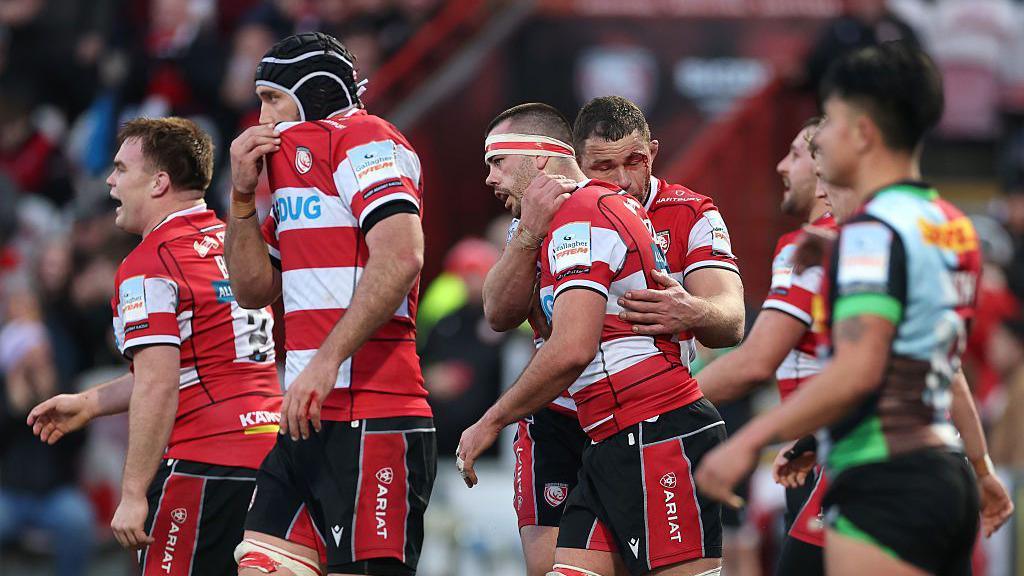
A Turning Point for Gloucester
Gloucester delivered their most complete performance of the season, earning a vital 26–15 victory over Harlequins that may mark a shift in the club’s momentum. After weeks of frustration and narrow defeats, the side played with renewed confidence, accuracy, and hunger. Kingsholm felt alive again as supporters celebrated a long-awaited win. This match showed a level of resilience and precision that had been missing from earlier performances.
Harlequins Start Fast but Fail to Build Control
Harlequins opened the match with confidence. Their early phases were sharp and structured, and their movement through midfield created pressure that Gloucester struggled to contain. A well-constructed attacking sequence gave Quins the opening try, demonstrating their typical speed and ambition. For a moment, it seemed as if Gloucester were headed for another difficult evening. However, the home side responded with determination, absorbing the early blow and gradually tightening their defensive lines. Instead of collapsing, Gloucester used the setback as motivation to find rhythm and balance.
Redshaw Ignites Gloucester’s Revival
Full-back Ben Redshaw became the spark Gloucester desperately needed. His first try arrived after clever interplay and quick recycling of the ball. The Kingsholm crowd responded instantly, and the shift in atmosphere helped lift the team’s intensity. Redshaw’s pace and awareness began to trouble Harlequins repeatedly. His running lines pulled defenders out of position, and his confidence spread across the backline. Gloucester’s forwards also grew into the contest, carrying with more conviction and supporting phases with greater cohesion. Moments before halftime, Lewis Ludlow intercepted a loose ball and powered over the line. His try not only gave Gloucester the lead but also shifted the psychological balance of the match.
Gloucester Take Full Control After the Break
The second half showcased Gloucester’s most organised rugby of the season. Their structure improved, their discipline tightened, and their decision-making sharpened. Redshaw struck again, finishing a well-constructed attack that featured crisp passing and clever support lines. The speed of Gloucester’s transitions increased, and their territorial control improved as the half progressed. The home side managed the game with maturity, avoiding the lapses that cost them in previous rounds. Harlequins tried to respond, but Gloucester’s defensive accuracy made it difficult for them to build any sustained pressure. Every time Quins advanced, Gloucester’s line speed disrupted their flow.
Thorley’s Milestone Try Seals the Moment
As the clock edged toward the final quarter, Ollie Thorley delivered the emotional highlight of the match. On his 150th appearance for the club, he finished a powerful attacking move with strength and determination. His try sealed Gloucester’s victory and symbolised the team’s improved belief. The celebrations reflected both the importance of the moment and the pride of a player who has become a fan favourite. In the final minutes, Gloucester protected their lead with discipline and composure, allowing no late surge from Harlequins.
Stronger Leadership and Better Balance Across the Squad
One of the most encouraging factors in Gloucester’s performance was the leadership shown across the pitch. Senior players communicated clearly, guided younger teammates, and kept the team focused through high-pressure moments. The balance between experienced figures and emerging talent created a sense of stability that had been missing earlier in the season. The set-piece improved, the breakdown work became more accurate, and the attacking structure looked far more cohesive. Gloucester’s game management—an issue in previous matches—also took a significant step forward.
Harlequins Struggle With Discipline and Consistency
For Harlequins, this match highlighted familiar problems. Their bright start faded as Gloucester’s pressure increased. Handling errors, misread defensive moments, and unnecessary penalties hurt their ability to maintain momentum. Despite flashes of individual skill, their attack lacked direction in key phases. Gloucester’s defensive commitment forced hurried decisions and denied them space. Without sustained rhythm, Quins found themselves reacting instead of controlling the game. Their inability to convert periods of possession into points proved costly.
A Win That Could Change Gloucester’s Season
This victory carries weight far beyond the scoreline. It ends a frustrating drought, restores belief within the squad, and energises supporters who have waited for a performance of this quality. Gloucester’s sharper execution, smarter decisions, and stronger physical presence suggest they may finally be aligning as a team. If they build on this foundation, climb the table, and continue to refine their tactical balance, this match could become the turning point of their season. The challenge now is consistency, but Gloucester’s performance offers clear proof that they are more than capable of rising again.