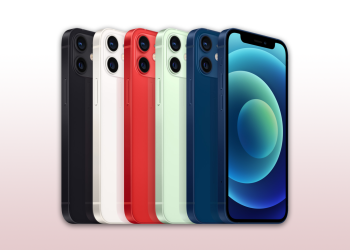


The Huawei Mate 9 Full Phone Specifications present a flagship smartphone launched in December 2016, designed to compete directly with the best devices of its time. With its large 5.9-inch IPS LCD display, durable aluminum frame, and Gorilla Glass 3 protection, the Mate 9 stood out as a powerful, productivity-focused device. Weighing 190 g and measuring 7.9 mm in thickness, it struck a balance between sturdiness and slimness, making it comfortable for its size class.
Beyond its impressive design, the Mate 9 showcased Huawei’s engineering strengths. It ran on the Kirin 960 chipset, paired with 4GB RAM and up to 64GB internal storage (expandable via microSDXC). Its dual Leica camera system with a 20 MP monochrome and 12 MP color sensor delivered professional-grade photos, while the 4000 mAh battery ensured reliable endurance. Upgradable to Android 9.0 Pie with EMUI 9.1, the Mate 9 offered longevity, making it one of Huawei’s most respected flagships in the Mate lineup.
Huawei Mate 9 Full Phone Specifications Table
| Feature | Details |
|---|---|
| Network | GSM / CDMA / HSPA / EVDO / LTE |
| Launch | Announced Nov 2016, Released Dec 2016 |
| Status | Discontinued |
| Body | 156.9 x 78.9 x 7.9 mm, 190 g |
| Build | Gorilla Glass 3 front, aluminum back, aluminum frame |
| SIM | Single Nano-SIM or Dual Nano-SIM (hybrid) |
| Display | 5.9″ IPS LCD, 1080 x 1920 pixels, ~373 ppi, Gorilla Glass 3 |
| OS | Android 7.0 (Nougat), upgradable to Android 9.0 (Pie), EMUI 9.1 |
| Chipset | Kirin 960 (16 nm) |
| CPU | Octa-core (4×2.4 GHz Cortex-A73 & 4×1.8 GHz Cortex-A53) |
| GPU | Mali-G71 MP8 |
| Memory | 32GB/4GB RAM, 64GB/4GB RAM, microSDXC (shared SIM slot) |
| Main Camera | Dual: 12 MP (wide, OIS, PDAF) + 20 MP B/W, Leica optics, HDR, panorama, dual-LED flash |
| Main Video | 4K@30fps, 1080p@30/60fps |
| Selfie Camera | 8 MP, f/1.9, AF, 1080p@30fps |
| Sound | Stereo loudspeakers, 3.5mm jack |
| Comms | Wi-Fi 802.11 a/b/g/n/ac, Bluetooth 4.2, GPS/GLONASS/BDS/GALILEO, NFC, Infrared port, USB-C 2.0 |
| Sensors | Fingerprint (rear), accelerometer, gyro, proximity, barometer, compass |
| Battery | Li-Po 4000 mAh, non-removable, 22.5W fast charging |
| Colors | Agate Red, Topaz Blue, Space Gray, Moonlight Silver, Champagne Gold, Mocha Brown, Ceramic White, Black, Obsidian Black |
| Models | MHA-L29, MHA-L09, MHA-AL00, MHA-TL00 |
| Price | About 320 EUR at launch |
Camera
The Mate 9 was equipped with a dual Leica camera system, combining a 12 MP color lens with OIS and PDAF and a 20 MP monochrome sensor. Together, they produced sharp, high-contrast images with excellent low-light performance. Features included HDR, panorama, and dual-tone LED flash. Video recording supported 4K at 30fps. On the front, the 8 MP f/1.9 selfie camera with autofocus delivered crisp images and 1080p video recording.
Design and Display
The 5.9-inch IPS LCD screen offered a resolution of 1080 x 1920 pixels at ~373 ppi density. Though not as sharp as OLED QHD competitors, it provided bright, color-accurate visuals with Gorilla Glass 3 protection. Its slim 7.9 mm aluminum build combined strength and style, with multiple premium color options like Agate Red, Mocha Brown, and Obsidian Black.
Performance
With the Kirin 960 (16 nm) processor, octa-core CPU, and Mali-G71 GPU, the Mate 9 performed strongly in its era. Benchmarks confirmed it could handle gaming, productivity, and multitasking with ease. Configurations included 32GB or 64GB storage, expandable via microSDXC in dual-SIM models. Running initially on Android Nougat, later upgraded to Android Pie (EMUI 9.1), it maintained relevance several years after release.
Battery and Charging
The 4000 mAh Li-Po battery was a highlight, delivering up to 82 hours of endurance in tests. Supported by 22.5W SuperCharge, it offered quick top-ups and long-lasting daily use. For business professionals and heavy users, this made the Mate 9 a reliable powerhouse.
Durability
The Mate 9’s build combined Gorilla Glass 3 protection with an aluminum frame, ensuring strong durability. The rear-mounted fingerprint sensor provided fast and secure unlocking, while stereo speakers enhanced the multimedia experience. Sensors like barometer and compass added functionality for navigation and outdoor use.


