

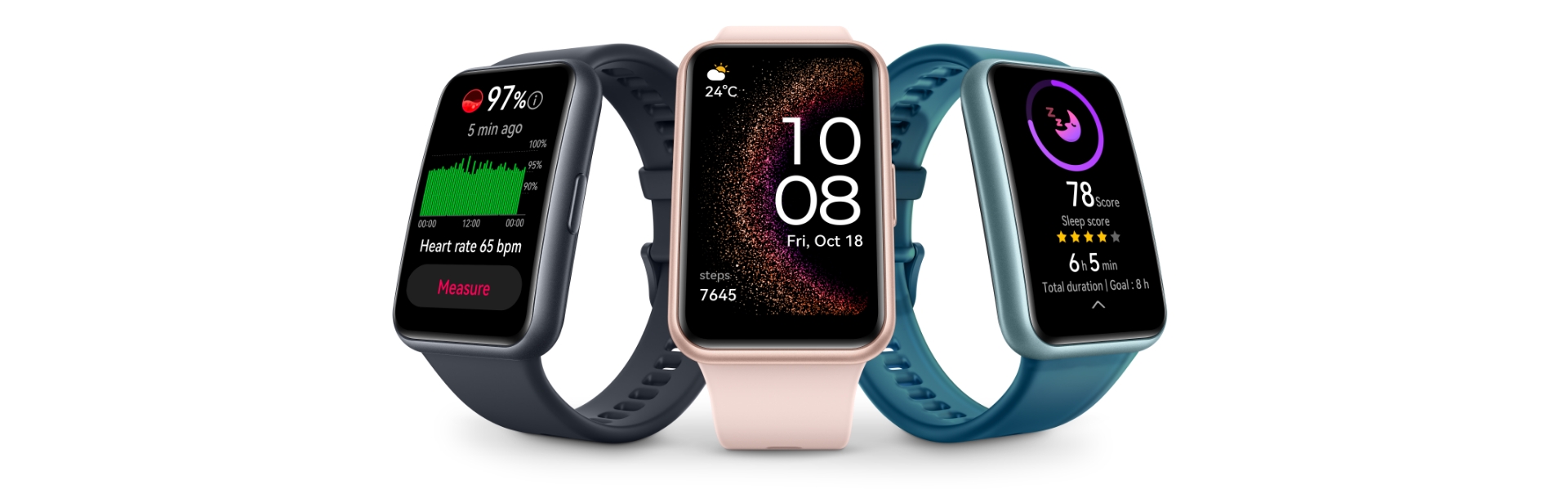
The global fitness smartwatch market continues to evolve, and two of the most anticipated models in 2025 are the Huawei Watch GT 5 and the Fitbit Sense 3. Both wearables promise advanced health tracking, improved battery life, and refined designs aimed at fitness enthusiasts. However, each brand takes a distinct approach to fitness and wellness monitoring. This detailed comparison breaks down their design, performance, tracking accuracy, battery endurance, and overall value to help you decide which is better for your health and fitness needs.
Design and Display
The Huawei Watch GT 5 combines luxury and practicality, maintaining Huawei’s reputation for refined craftsmanship. It comes in 46mm and 41mm variants, offering a polished stainless-steel case with a fiber-reinforced composite back. The 46mm version features a 1.43-inch AMOLED display, while the 41mm model sports a 1.32-inch screen. Both deliver a sharp 466×466 resolution, ensuring crisp visuals, vivid colors, and excellent outdoor visibility.
Huawei’s design leans toward a classic circular aesthetic, making it feel like a traditional watch rather than a digital gadget. The build quality feels solid, with attention to durability and comfort for daily wear and workouts. The rotating crown and touch gestures add to its ease of use, while the customizable watch faces give users a personalized experience.
The Fitbit Sense 3, on the other hand, continues Fitbit’s signature squircle design—sleek, minimal, and lightweight. Although the official specifications remain partially under wraps, it’s expected to feature an AMOLED display with enhanced brightness and smoother navigation. Fitbit’s design philosophy prioritizes comfort, ensuring it fits securely during sleep and high-intensity workouts.
In terms of materials, the Sense 3 is likely to use aluminum for the case, ensuring a balance of strength and lightness. Fitbit also focuses on sustainability, potentially introducing eco-friendly materials in its straps and packaging. When comparing both, Huawei’s GT 5 wins on premium aesthetics and durability, while Fitbit’s Sense 3 prioritizes simplicity and ergonomic design for all-day use.
Performance and Hardware
The Huawei Watch GT 5 runs on Huawei’s latest HarmonyOS platform, ensuring smooth performance and improved app responsiveness. Powered by dual-core architecture and enhanced efficiency, it provides reliable performance for fitness tracking, notifications, and daily use. The interface feels intuitive, and the animations are fluid.
Fitbit’s Sense 3 will likely use Google’s Wear OS foundation but with Fitbit’s health ecosystem on top. The combination should deliver faster app performance, better integration with Android devices, and more robust software support. The inclusion of Google Assistant, maps, and notifications would enhance its utility as both a fitness tracker and a smartwatch.
In raw performance, Huawei has proven consistency in optimizing its system for long battery life, while Fitbit leans on smart connectivity and seamless data synchronization with the Fitbit app. Both are reliable, but Huawei takes the edge for stability and battery optimization.
Health and Fitness Tracking
When it comes to health tracking, both smartwatches excel but in slightly different ways.
The Huawei Watch GT 5 boasts an impressive suite of sensors: an optical heart-rate monitor, barometer, gyroscope, accelerometer, magnetometer, and skin temperature sensor. Its dual-band GPS ensures precise route tracking for outdoor activities such as running, hiking, and cycling. The watch supports over 100 workout modes, including swimming, yoga, and strength training, making it suitable for athletes of all levels.
One of Huawei’s standout features is its advanced heart-rate algorithm, TruSeen 5.5+, which improves accuracy during intense workouts. It also tracks sleep patterns using TruSleep 4.0, providing detailed insights into REM, light, and deep sleep stages. Stress tracking, SpO₂ measurement, and menstrual cycle monitoring are all included, giving users a comprehensive health overview.
The Fitbit Sense 3, expected to launch with improved versions of Fitbit’s iconic health features, will focus on holistic well-being. The Sense 3 is anticipated to retain ECG functionality for heart rhythm monitoring, along with SpO₂ and skin temperature tracking. Fitbit’s unique EDA sensor (Electrodermal Activity) remains one of its strongest features, analyzing sweat gland activity to gauge stress levels in real time.
Fitbit’s sleep tracking continues to be among the best in the industry, breaking down time spent in each sleep stage and offering personalized sleep scores. The integration of Fitbit Premium gives users access to guided workouts, mindfulness sessions, and recovery metrics. In health tracking depth, Fitbit still leads due to its wellness ecosystem, but Huawei’s GT 5 provides superior sports tracking precision.
Battery Life
Battery life is one of the biggest differences between these two smartwatches.
The Huawei Watch GT 5 is a clear winner in endurance. The 46mm variant offers up to 14 days of typical use and around 8–9 days for heavy usage. Even with GPS and heart-rate monitoring enabled, it easily outperforms most competitors. The smaller 41mm model offers around 9 days on average. Fast-charging support lets users gain a full day of use in just 10 minutes, a feature that proves invaluable for active lifestyles.
The Fitbit Sense 3, like its predecessor, is expected to last between 5 and 6 days under regular conditions. It may extend slightly with battery optimizations and Wear OS improvements, but it’s unlikely to match Huawei’s longevity. Fitbit will focus instead on better charging efficiency and integration with daily tracking features.
For users seeking a smartwatch that can last two weeks without recharging, the Huawei Watch GT 5 offers unmatched efficiency. Fitbit’s shorter battery life may be acceptable for those prioritizing deeper health analytics over endurance.
Ecosystem and Compatibility
Huawei’s GT 5 supports both Android and iOS devices through the Huawei Health app. It syncs fitness data, sleep records, and stress scores seamlessly, though certain advanced features may be limited on iOS due to ecosystem restrictions. The watch also supports Bluetooth calling, music control, and message notifications, but third-party app support is limited compared to Wear OS-based devices.
Fitbit’s Sense 3 benefits from a mature, cloud-based ecosystem. Its compatibility with Android and iOS ensures data synchronization across multiple devices through the Fitbit app. The addition of Google services expands functionality, allowing integration with Google Fit and other health platforms. Fitbit’s ecosystem focuses on user-friendly interfaces and actionable insights, making it ideal for users invested in long-term health management.
While Huawei delivers a reliable fitness ecosystem, Fitbit’s software integration and Premium membership options give it an edge for those seeking in-depth analytics and guided programs.
Pricing and Value
The Huawei Watch GT 5 provides flagship-grade features at a mid-range price point, typically retailing around $250–$300 depending on the region and variant. Considering its design, long battery life, and performance, it offers excellent value for money.
The Fitbit Sense 3 will likely enter the market at a slightly higher price, around $329–$349. The higher cost is justified by Fitbit’s advanced stress management, ECG monitoring, and subscription-based health programs. However, its shorter battery life and modest hardware upgrades could make it a harder sell for those prioritizing endurance and versatility.
Which Is Better for Fitness Tracking?
Both smartwatches cater to different types of fitness enthusiasts.
The Huawei Watch GT 5 is ideal for users who prioritize durability, long battery life, and precise fitness tracking. Its dual-band GPS, extensive workout modes, and advanced sensors make it a powerful training companion. It suits athletes, outdoor adventurers, and users who prefer a low-maintenance smartwatch experience.
The Fitbit Sense 3, meanwhile, is better for users focused on overall wellness. Its stress tracking, ECG functionality, and sleep analysis provide valuable insights for holistic health management. With Fitbit Premium, it becomes more than a tracker—it’s a personal health assistant.
If you want the best sports tracking and endurance, the Huawei Watch GT 5 stands out as the smarter choice. But if wellness monitoring and long-term health insights matter more to you, the Fitbit Sense 3 offers unmatched integration with Fitbit’s health ecosystem.
Ultimately, both devices are exceptional, representing the best of fitness and health technology in their respective categories. The choice depends on your lifestyle—Huawei for all-day tracking power and longevity, Fitbit for health depth and data-driven insights.


