iPhone 17 vs Samsung Galaxy S25: Which Flagship Wins in 2025
The battle for smartphone dominance in 2025 is a familiar one—Apple vs Samsung. The release of the iPhone 17 and the Samsung Galaxy S25 has reignited this fierce competition, with both brands claiming to deliver the ultimate flagship experience. While Apple continues to focus on ecosystem efficiency, camera consistency, and design refinement, Samsung pushes the boundaries of display innovation, camera power, and on-device artificial intelligence. Both are premium devices that represent the very best of their respective platforms. But which one truly wins the flagship crown in 2025?
Design and Display
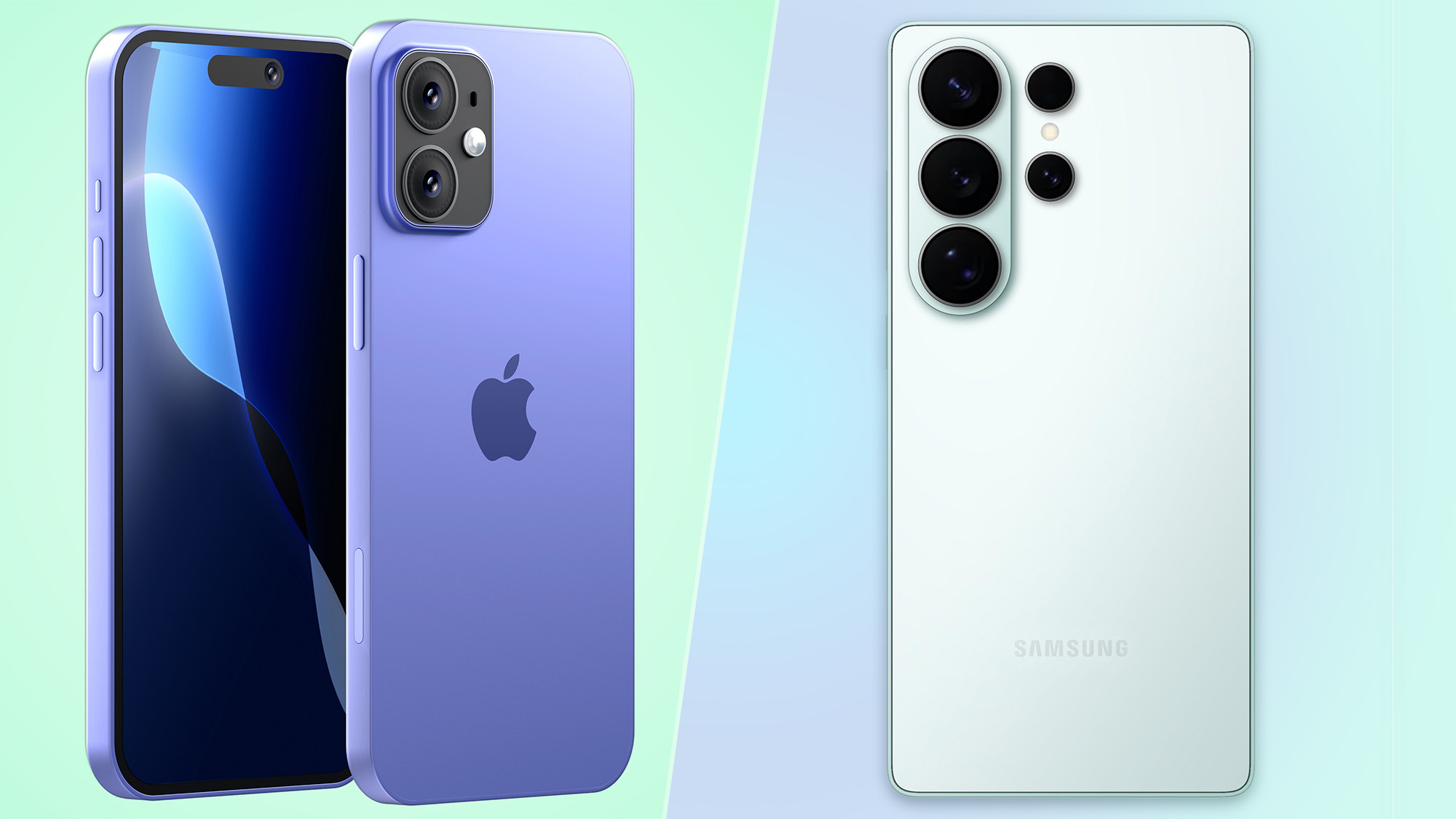
Apple’s iPhone 17 continues the company’s legacy of precision craftsmanship. It features a lightweight titanium frame and a refreshed matte finish that resists fingerprints while maintaining premium appeal. The front is dominated by a 6.3-inch Super Retina XDR OLED display, boasting ProMotion 120Hz refresh rate and brightness levels peaking at 3000 nits. Apple has also improved its Ceramic Shield technology, making the screen more resistant to scratches and drops. The iPhone 17 remains one of the most compact and ergonomic flagships, appealing to users who value comfort and symmetry.
Samsung takes a different approach with the Galaxy S25. The design is sleeker and thinner than before, featuring an Armor Aluminum frame and Gorilla Glass Victus 3 protection. The standard S25 offers a 6.2-inch Dynamic AMOLED 2X display, while the larger S25 Ultra stretches to 6.9 inches, delivering a QHD+ resolution and 144Hz adaptive refresh rate. Samsung’s display technology continues to lead the market, offering superior color accuracy, contrast, and outdoor visibility. When it comes to visual brilliance, Samsung holds the edge, but Apple’s compact precision design ensures a more balanced and practical feel for daily use.
Performance and Power
The iPhone 17 is powered by Apple’s latest A18 Pro Bionic chip, built using advanced 3-nanometer architecture. It features a 10-core GPU and a next-generation Neural Engine capable of handling 40 trillion operations per second. This combination allows the device to deliver lightning-fast performance, efficient multitasking, and unrivaled AI-driven capabilities such as real-time language translation, adaptive app management, and predictive photography. The integration between the A18 chip and iOS 19 ensures consistent speed with minimal power consumption.
On the other hand, Samsung’s Galaxy S25 runs on the Snapdragon 8 Elite Gen 3 or the Exynos 2500 processor, depending on the region. Both variants include upgraded AI accelerators designed for on-device intelligence, improving features such as live translation, scene optimization, and automated image editing. The S25 Ultra’s 12GB or 16GB of RAM further enhances multitasking performance, while UFS 4.0 storage ensures faster file transfers. While Apple continues to dominate synthetic benchmarks, Samsung delivers a more versatile performance experience, appealing to users who enjoy gaming, productivity, and customization.
Camera Systems
Apple’s iPhone 17 continues to refine its camera system, focusing on natural tones and balanced exposure. It features a dual 48MP main and ultra-wide camera setup, with improved sensor stabilization and AI-assisted depth recognition. The new Smart HDR 6 processing enhances lighting and shadow balance, while the upgraded Photonic Engine 2 allows for realistic textures in low-light photography. Video quality remains Apple’s strong suit, offering 4K Dolby Vision HDR and advanced cinematic stabilization. The front-facing 18MP camera features Center Stage tracking, ideal for content creators and video calls.
Samsung’s Galaxy S25 Ultra, however, pushes boundaries with its camera versatility. It sports a 200MP primary sensor, accompanied by a 50MP periscope telephoto lens with 5x optical zoom, a 12MP ultra-wide sensor, and a dedicated AI-assisted portrait camera. Samsung’s imaging system uses Adaptive Pixel Fusion, allowing for both ultra-detailed shots and balanced dynamic range in challenging conditions. The S25’s Space Zoom feature offers up to 100x hybrid zoom, while video recording capabilities now include 8K resolution at 60fps. For users who crave detail, zoom power, and image customization, Samsung’s camera leads the race. Apple, meanwhile, wins in overall consistency and color accuracy.
Battery Life and Charging
Battery endurance has become one of the most important factors in choosing a flagship smartphone. The iPhone 17 delivers impressive efficiency, thanks to Apple’s A18 chip optimization and improved battery chemistry. It houses a 3,900mAh battery capable of providing up to 22 hours of video playback. Fast charging reaches 50% in 20 minutes, while MagSafe wireless charging and reverse charging for accessories remain supported. Apple’s focus on energy efficiency ensures the phone lasts through a full day of intense use with minimal degradation over time.
Samsung’s Galaxy S25 Ultra offers more capacity with its 5,000mAh battery, catering to heavy users and gamers. Fast charging reaches up to 65W on the Ultra model, delivering a 70% charge in under 25 minutes. Wireless and reverse wireless charging are also supported. Samsung’s larger display and higher refresh rate consume more power, but the Adaptive Battery Management system balances performance with endurance. For users who prioritize long-lasting power and faster charging speeds, Samsung wins this round.
Software and AI Features
Apple’s iOS 19 emphasizes personalization, intelligence, and integration. The system includes new AI-driven features such as Smart Suggestions, context-based widgets, and adaptive lock screens. Siri has evolved into a generative voice assistant capable of understanding multi-step commands and producing summaries or translations offline. The seamless connection between iPhone, iPad, Mac, and Apple Watch enhances ecosystem value—making it ideal for users already invested in Apple products.
Samsung’s One UI 7, built on Android 15, delivers customization and practicality. Its Galaxy AI platform introduces on-device intelligence for summarizing notes, rewriting messages, and even generating AI wallpapers. Samsung’s integration with Windows and Galaxy Buds offers strong cross-device functionality, though Apple’s ecosystem remains smoother. In 2025, both brands make AI central to their experience, but Apple’s execution feels more refined, while Samsung offers greater flexibility and user control.
Price and Value
The iPhone 17 is expected to start at around $1,099 for the base model, with the Pro Max variant exceeding $1,299. Meanwhile, the Galaxy S25 Ultra starts at approximately $1,199, depending on region and configuration. Samsung offers more variety in pricing and features, including cheaper variants with nearly identical performance. Apple maintains its premium pricing but justifies it through software longevity and ecosystem reliability. Buyers who plan to keep their phones for five or more years may find Apple’s longer update cycle and resale value appealing. Those seeking maximum hardware and innovation for their money may lean toward Samsung.
Which Flagship Wins?
Choosing between the iPhone 17 and Samsung Galaxy S25 ultimately depends on what you value most. Apple’s iPhone 17 excels in user experience, ecosystem integration, and color-accurate photography. Its performance is seamless, software support unmatched, and build quality exceptional. Samsung’s Galaxy S25, however, offers superior display technology, a more versatile camera setup, faster charging, and enhanced AI-driven features.
If you want reliability, long-term updates, and cohesive design, the iPhone 17 is the better choice. If you prioritize flexibility, advanced photography, and cutting-edge hardware, the Galaxy S25 delivers more innovation for your money. In 2025, both flagships represent the pinnacle of smartphone engineering—but the real winner is the consumer, who now has more powerful and intelligent devices than ever before.