The art of forex training is about more than learning how to trade currencies—it’s about mastering the skills, strategies, and discipline required to succeed in the largest financial market in the world. With trillions of dollars traded daily, forex offers opportunities for profit but also poses risks to unprepared traders. Training transforms a beginner into a skilled participant by building confidence, sharpening decision-making, and creating resilience in the face of market volatility.
Building Strong Foundations
Every trader’s journey begins with education. Understanding how the forex market works, the mechanics of currency pairs, and the role of leverage is essential. The art of forex training emphasizes starting with the basics before moving to complex strategies. Demo accounts, tutorials, and structured courses provide safe environments for new traders to practice and learn without financial risk.
Developing Key Trading Skills
Training in forex is not limited to technical knowledge—it includes building mental discipline. Successful traders know how to manage emotions, remain patient, and stick to their strategies. Skills such as reading price charts, identifying trends, and interpreting economic indicators are central to the art of forex training. Over time, these skills become instinctive, allowing traders to react swiftly to changing market conditions.
Tools and Strategies for Effective Training
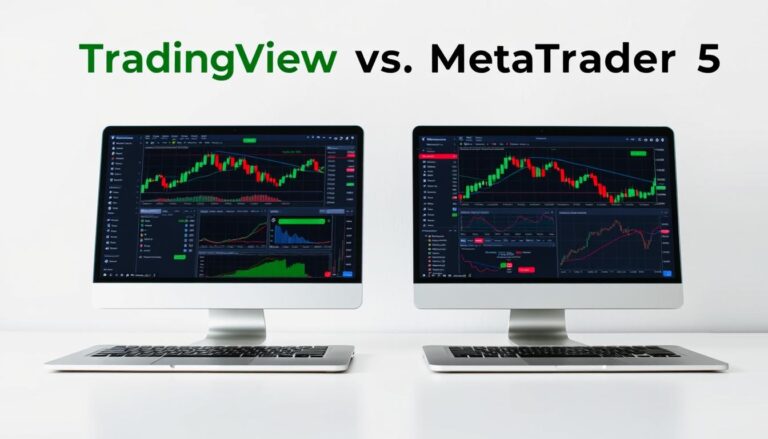
Modern forex training uses a wide range of tools. Charting platforms, mobile apps, and trading simulators give trainees real-time insights into price movements. Strategies such as trend following, breakout trading, and scalping can be practiced and refined. The art of forex training also highlights the importance of risk management tools like stop-loss orders and risk-to-reward ratios, which protect traders from large losses.
Balancing Technical and Fundamental Analysis
A well-rounded approach to training requires learning both technical and fundamental analysis. Technical analysis helps traders spot patterns and entry points, while fundamental analysis focuses on interest rates, inflation, and global events that move currencies. The art of forex training is about blending these methods to create strong, adaptable strategies that perform well across different market conditions.
The Role of Psychology in Training
Emotions often determine the success or failure of trades. Fear, greed, and impatience can cloud judgment and lead to mistakes. The art of forex training teaches traders how to manage psychology, avoid impulsive decisions, and maintain discipline. Journaling trades and reviewing mistakes helps in developing emotional control and long-term consistency.
Continuous Learning and Adaptability
The forex market is dynamic, shaped by technology, economic policies, and global events. To remain successful, traders must treat training as an ongoing process. Reading market analysis, following central bank updates, and participating in trading communities all strengthen knowledge. The art of forex training is never complete it evolves as markets and strategies change.