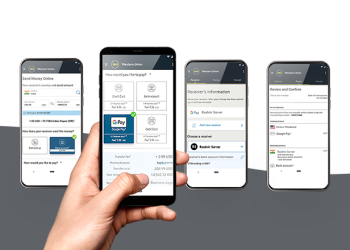
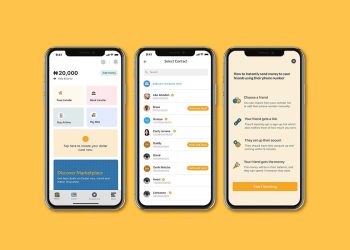
The digital banking sector has been one of the fastest-growing areas in finance, driven by technological advancements, changing consumer expectations, and the increasing demand for mobile-first and flexible banking solutions. Neobanks and digital-only financial institutions have redefined the banking experience by eliminating traditional physical branches, offering seamless mobile apps, instant account setups, and transparent, low-cost services.
These banks provide an array of innovative products like real-time payments, savings accounts, personalized spending insights, and investment tools, often without the fees and restrictions tied to traditional banking models. From providing solutions for the unbanked and underbanked to facilitating cross-border payments and global commerce, these digital-first players are reshaping the way people manage their money.
This article takes a deep dive into the Top 10 Digital Banks, examining their growth, innovations, and how they are transforming the banking experience. These digital banks are not just financial institutions; they are reshaping the way we think about money management, financial inclusion, and global commerce.
10. Starling Bank – A Leader in the UK’s Digital Banking Landscape

- CEO: Raman Bhatia
- Founded: 2014
- Customers: Approximately 4.6 million
Starling Bank has rapidly become one of the most recognized digital banks in the UK, known for its user-friendly app, robust security features, and reliable financial tools. The bank offers current accounts, savings accounts, business banking, loans, and credit facilities, all of which are accessible through its app. The app is particularly popular for its real-time data tracking, allowing users to manage their finances efficiently.
Starling also pioneered the Banking-as-a-Service platform, Engine, which allows other financial institutions to leverage its infrastructure to offer banking services. This initiative has allowed Starling to expand its reach beyond individual consumers to other players in the financial services industry. As Starling looks to expand its international footprint, it is focused on sustainable growth and innovative partnerships in a rapidly changing banking environment.
9. N26 – A Revolutionary Digital Bank from Germany

- CEO: Valentin Stalf & Maximilian Tayenthal
- Founded: 2013
- Customers: Approximately 10 million
Based in Berlin, N26 is a global leader in the digital banking space, offering mobile banking services that cater primarily to tech-savvy, mobile-first consumers. N26 provides a range of services, including current accounts, savings accounts, insurance partnerships, and premium membership tiers that have made it especially popular among younger users and frequent travelers.
N26 has always been ahead of the curve in personalized banking, with tools like spending insights and savings goals. The bank places a strong emphasis on compliance and risk management, ensuring that users enjoy a secure, reliable banking experience. The bank continues to invest heavily in customer engagement through advanced digital tools. With a focus on expanding across Europe and the US market, N26 is one of the most recognized digital-only banks worldwide.
8. Ally Bank – The US Digital-Only Bank Focused on Transparency

Tiffany Hagler-Geard/Bloomberg
- CEO: Michael G. Rhodes
- Founded: 2009
- Customers: Approximately 11 million
Ally Bank is a major player in the U.S. digital banking space, offering competitive interest rates, high-yield savings, and investing products. Ally operates without physical branches, allowing it to pass on savings from lower overhead to its customers in the form of higher interest rates on savings accounts and lower fees on other services.
Ally’s transparent pricing model, along with excellent customer service, has earned it a reputation as one of the most trustworthy digital banks. Its offerings extend to credit cards, loans, and investment products, all accessible through its highly intuitive and easy-to-navigate mobile app. Ally’s commitment to simplicity and clear communication makes it an attractive option for users looking for stress-free banking solutions.
7. Monzo – Community-Driven Innovation in the UK
- CEO: Diana Layfield (2026)
- Founded: 2015
- Customers: Approximately 13 million
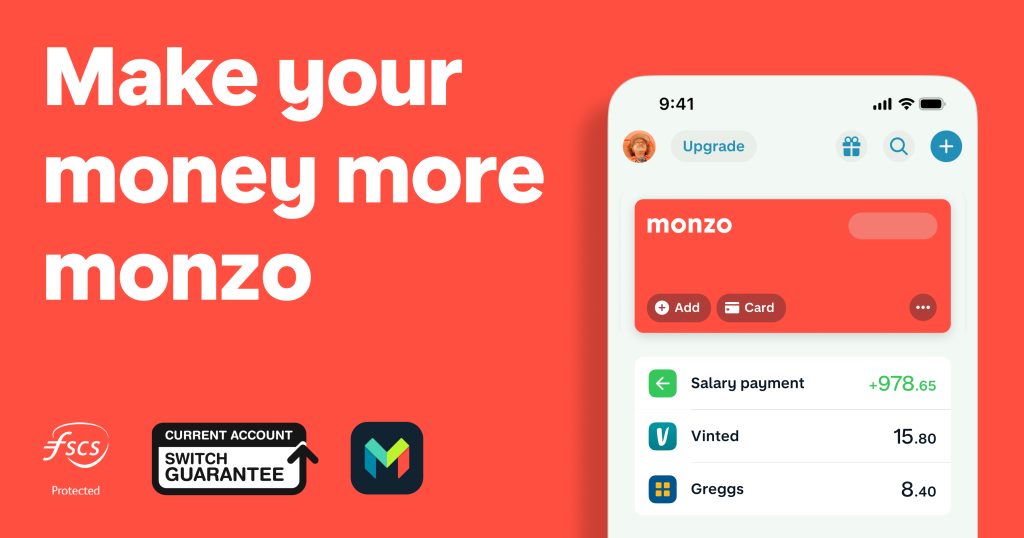
Monzo has quickly evolved from a prepaid card provider to one of the UK’s most well-known digital banks. Known for its community-driven approach, Monzo offers current accounts, savings accounts, business banking, and lending services. The bank’s app is designed to help users with real-time financial monitoring, budgeting tools, and money management features.
Monzo’s success is largely attributed to its community-driven model, where customer feedback plays a central role in the development of new features and products. This customer-first approach has helped build a strong, loyal user base. Monzo is expanding its service offerings to premium tiers, giving customers access to additional features like travel insurance and increased withdrawal limits.
6. bunq – The Bank of the Free
- CEO: Ali Niknam
- Founded: 2012
- Customers: Approximately 20 million
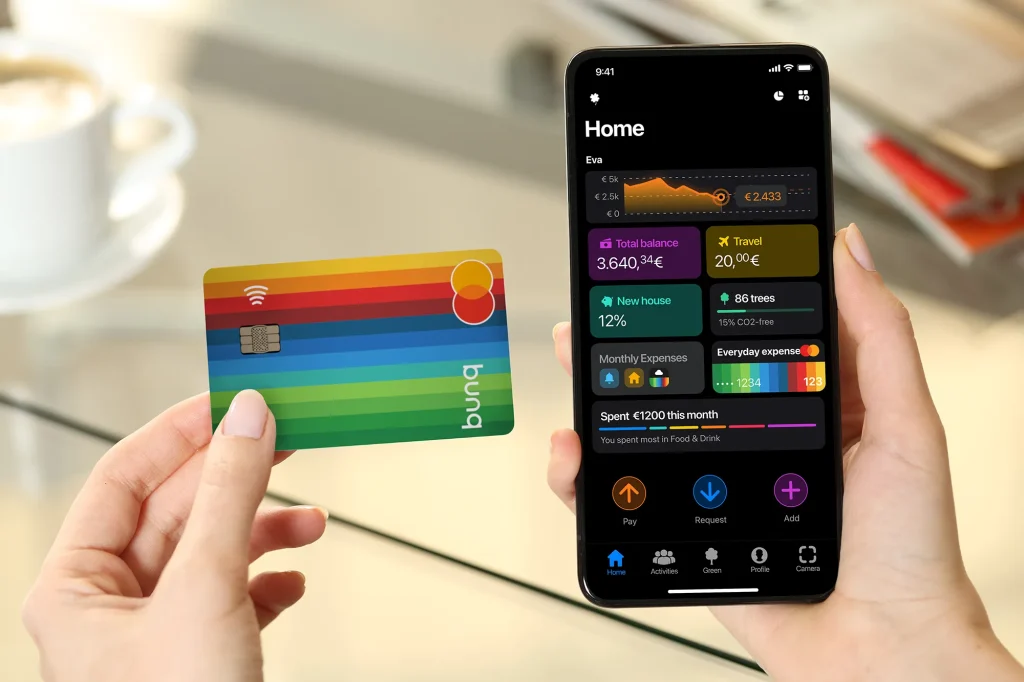
bunq brands itself as the “Bank of the Free,” offering a highly customizable banking experience through a subscription-based model rather than relying on traditional lending methods. Bunq’s app is designed for digital workers, expats, and frequent travelers, providing features like multiple IBANs, extensive budgeting tools, and cross-border functionality.
The bank has gained significant attention for its environmental initiatives, including a program that automatically plants trees based on card spending. This combination of ethical banking and financial innovation makes bunq appealing to those who want a banking experience aligned with their lifestyle and values. With plans to expand its services and continue building on AI-driven financial tools, bunq remains a standout alternative to traditional neobanks.
5. ING – Pioneering Digital Banking Across Europe

Photo: ING
- CEO: Steven van Rijswijk
- Founded: 1991
- Customers: Approximately 40 million
As one of the largest digital banks in Europe, ING has long been a pioneer in offering mobile-first banking services. ING offers a wide range of services, including savings accounts, mortgages, investment products, and business banking. ING’s universal banking model allows it to cater to a broad customer base across Europe, leveraging its digital-first strategy to compete effectively with fintech challengers.
ING is one of the few established banks to embrace the digital shift with the same level of vigor as smaller neobanks, offering seamless mobile banking experiences without sacrificing the scale and infrastructure of traditional banking. The bank continues to innovate and expand its offerings through partnerships and digital enhancements.
4. MYBank – China’s Digital Bank for Small Businesses
- CEO: Dato’ Sri Khairussaleh Ramli
- Founded: 2015
- Customers: Approximately 53 million
MYBank, a subsidiary of Ant Group, is a digital-only bank in China that caters primarily to small businesses and microbusinesses. With a focus on financial inclusion, MYBank uses AI and advanced analytics to offer fast credit assessments and lending products without the need for physical branches.
The bank has become a critical player in China’s financial inclusion strategy, helping SMEs access credit that traditional banks often overlook. By leveraging behavioral data and transactional insights, MYBank has successfully brought financial services to underserved populations, promoting economic growth and financial independence.

3. Revolut – The Multi-Currency, Global Money App
- CEO: Nikolay Storonsky
- Founded: 2015
- Customers: Approximately 65 million
Revolut has emerged as one of the most prominent fintech companies globally. Known for offering multi-currency accounts, cryptocurrency trading, investment options, and business banking, Revolut is a favorite among travelers, digital nomads, and tech-savvy consumers.
Revolut’s borderless approach to finance has allowed it to grow rapidly in over 35 countries, appealing to users who need to manage money in multiple currencies with ease. The platform’s broad ecosystem of services, including insurance, budgeting tools, and premium memberships, has made Revolut a key player in the global banking market.
2. Nubank – Leading the Charge in Latin America
- CEO: David Vélez
- Founded: 2013
- Customers: Approximately 123 million
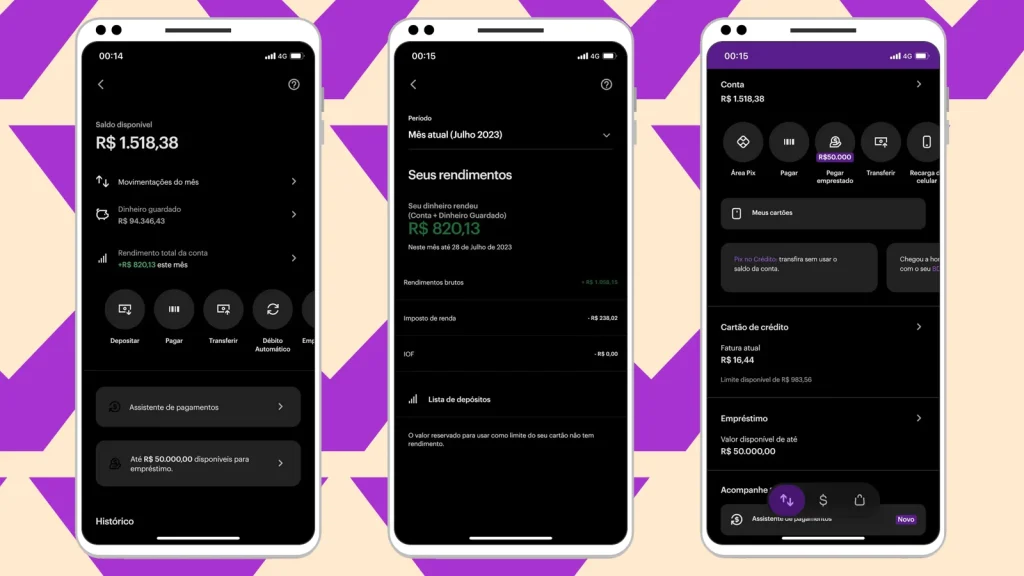
Nubank is the largest digital bank in Latin America, providing financial services such as credit cards, current accounts, investments, and SME products. The bank operates entirely online, making financial services more accessible and affordable for underserved populations in Brazil, Mexico, and Colombia.
Nubank’s no-fee model, transparent pricing, and customer-first culture have helped it grow rapidly, reshaping Latin America’s banking landscape. With its efficient and low-cost banking solutions, Nubank continues to expand its customer base and financial inclusion efforts.

1. WeBank – The World’s Largest Digital-Only Bank
- CEO: Gu Min
- Founded: 2014
- Customers: Over 400 million
WeBank, the largest digital-only bank in the world, has revolutionized banking in China by serving more than 400 million customers through its online platform. WeBank, a subsidiary of Tencent, offers a wide range of financial services including lending, microfinance, savings, and investment products, all delivered through AI-driven tools.
WeBank’s core mission revolves around financial inclusion, providing credit to underserved individuals and microbusinesses that are often excluded from traditional banking. Its seamless integration with Tencent’s ecosystem—especially through WeChat—has made WeBank a cornerstone of China’s digital finance sector.
Digital Banking’s Bright Future
The rise of digital-only banks marks a pivotal shift in the global financial services landscape. These 10 banks are at the forefront of financial innovation, leveraging technology to deliver seamless, user-friendly, and cost-effective banking solutions. As digital banking continues to evolve, these leading players will likely define the future of global finance, driving further innovation in areas like financial inclusion, cross-border payments, and personalized banking services.
As digital banking continues to evolve, these leading players will likely define the future of global finance, driving further innovation in areas like financial inclusion, cross-border payments, and personalized banking services.