

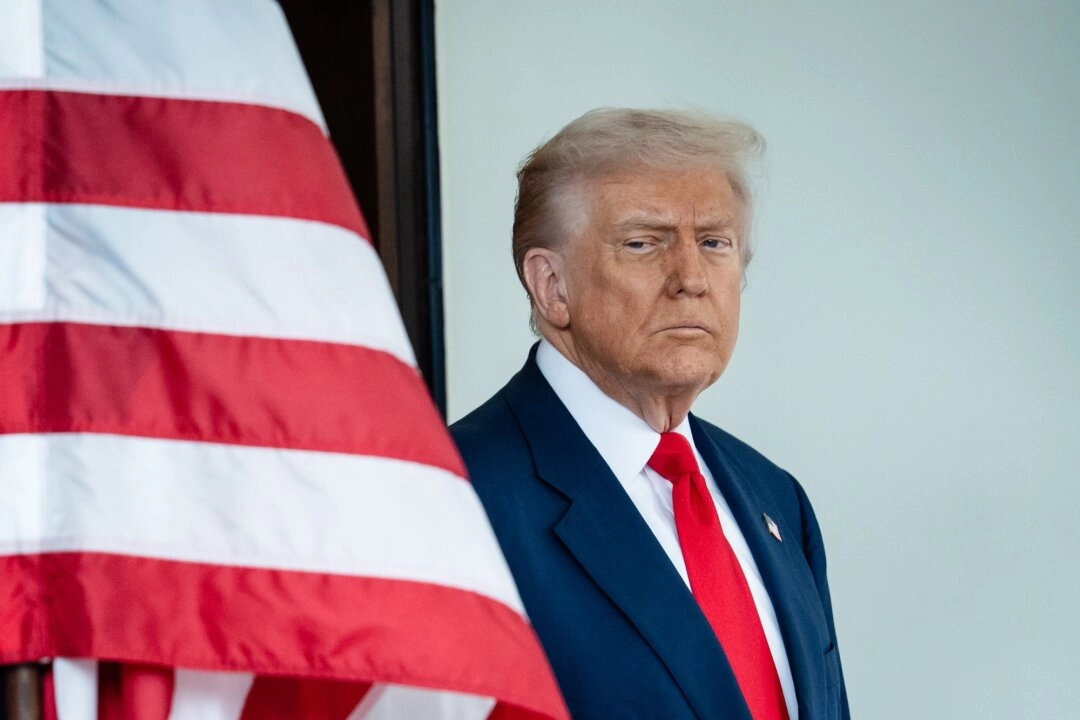
With the 2026 midterm elections fast approaching, President Donald Trump is already framing the contest as a referendum on the state of the nation’s economy. Trump believes the election will hinge on voters’ perceptions of economic success, with a focus on issues like inflation, energy costs, and rising wages. By touting his administration’s efforts to reduce inflation and make energy more affordable, he aims to convince voters that the Republican Party is the best option for continuing economic progress. However, despite improvements in some areas, affordability remains a key concern for many Americans as the country heads into the midterm election season.
A Strategic Focus on Affordability and Prices
In a recent interview with Politico, President Trump made it clear that the 2026 midterms would be about the economy, specifically about prices and the economic conditions under his administration. He emphasized that high energy costs, which were a hallmark of the previous administration, have been significantly reduced under his policies. Trump believes that his success in bringing down fuel prices and easing inflation will resonate with voters, particularly those struggling to make ends meet.
“It’ll be about pricing,” Trump told Politico on December 26, 2025. He explained that Americans were given high prices during the Biden administration, but his administration has worked tirelessly to bring those prices down. For Trump, the success of his policies is evident in the current state of energy prices, which he claims have dropped significantly since his administration’s efforts to boost domestic production.
Economic Progress and Lowering Energy Costs
A central component of Trump’s economic strategy has been lowering energy costs. Under his administration, the U.S. has focused on increasing domestic production of oil and gas, reducing dependence on foreign energy sources. As a result, energy prices have decreased, which in turn has helped lower overall inflation. Trump pointed to the drop in gasoline prices, with the national average now at $2.83 per gallon, a significant decrease from previous years. He also highlighted the reduction in electricity prices, attributing these declines to his energy policies.
“Energy’s way down. Gasoline is way down,” Trump stated in the interview, emphasizing how these reductions in energy costs have had a ripple effect across the economy. Lower energy prices typically lead to lower prices for other goods and services, making everyday expenses more affordable for consumers.
In addition to gasoline prices, crude oil prices have dropped by approximately 21 percent in 2025. This decrease in energy costs has been one of the key points Trump has used to argue that his economic policies are working. He believes that these successes will be front and center in the 2026 midterms, giving Republicans a strong case for why voters should keep them in control of Congress.
Inflation Eases, but Affordability Remains a Concern
Despite the positive news on energy prices, affordability remains a major issue for many Americans. Inflation, while cooling, is still a concern for many households. According to recent data from November 2025, the annual inflation rate fell to 2.7 percent, a welcome drop from the peak levels seen during the previous administration. The decline in inflation has brought some relief, but many Americans are still grappling with the aftermath of rising prices over the past few years.
A recent survey by NPR, PBS News, and Marist found that 70 percent of Americans believe the cost of living is not affordable or only marginally affordable—the highest proportion since 2011. This survey suggests that while inflation is slowing, many Americans still feel the strain of rising costs, particularly in areas such as housing, healthcare, and food.
Trump has repeatedly placed blame for high prices on the previous administration, particularly on President Joe Biden. He has argued that the term “affordability” only entered the political conversation after Biden’s policies led to skyrocketing prices. In a December 17 primetime address, Trump stated, “When I took office, inflation was the worst in 48 years… and prices were higher than ever before, making life unaffordable for millions of Americans.”
Prescription Drug Prices as Part of the Strategy
Trump has also leaned heavily into the issue of prescription drug pricing as a part of his strategy to address voter concerns about affordability. At a December 19 rally in Rocky Mount, North Carolina, Trump celebrated new agreements with pharmaceutical companies that are aimed at lowering the prices of life-saving medications. He claimed that these agreements would help lower inflation even further by reducing one of the largest cost burdens for many Americans.
“Your drugs are coming down at levels that nobody ever thought was possible,” Trump declared at the rally. He framed this achievement as a landmark victory for his administration, one that would help push down inflation and ease the financial strain on millions of Americans. This focus on prescription drug prices aligns with Trump’s broader strategy of using economic policy to appeal to voters on affordability issues.
Economic Growth and Voter Confidence
In addition to his focus on lowering prices, Trump has highlighted economic growth as evidence of the success of his policies. In his interview with Politico, Trump pointed to third-quarter economic growth of 4.3 percent, which exceeded expectations and reinforced his message of economic recovery.
The growth in the economy is another key element of Trump’s strategy for the 2026 midterms. With Republicans holding a slim majority in the House of Representatives and a 53-47 edge in the Senate, Trump’s focus on economic performance could be a decisive factor in the upcoming election. Republican leaders, such as House Speaker Mike Johnson, have emphasized that losing control of the House could open the door to renewed impeachment efforts against Trump, further raising the stakes for the midterm elections.
The Stakes for the 2026 Midterms
With the 2026 midterm elections on the horizon, Trump and the Republican Party are hoping to maintain control of Congress. As inflation eases and energy prices drop, Republicans are betting that voters will reward them for their economic policies, which have prioritized affordability and economic growth. However, Democrats will continue to challenge the narrative, pointing to the lingering concerns over affordability and the impact of rising prices on working-class Americans.
As Trump and his team continue to highlight their successes, the 2026 midterms will likely be a referendum on whether Americans feel that the nation’s economic policies are working in their favor. With Republicans hoping to secure a strong performance in the election, Trump’s messaging will focus heavily on the tangible economic progress that he claims to have delivered.
President Donald Trump is positioning the 2026 midterms as a referendum on the nation’s economic progress. By emphasizing his administration’s successes in reducing energy prices, lowering inflation, and improving economic growth, Trump is aiming to convince voters that Republicans are the party best suited to continue advancing economic recovery. However, affordability remains a significant concern for many Americans, and whether the Trump administration’s economic message can overcome this challenge will likely determine the outcome of the midterm elections. With the stakes high and control of Congress at risk, the 2026 elections will be a pivotal moment for the future of the country’s economic direction.


