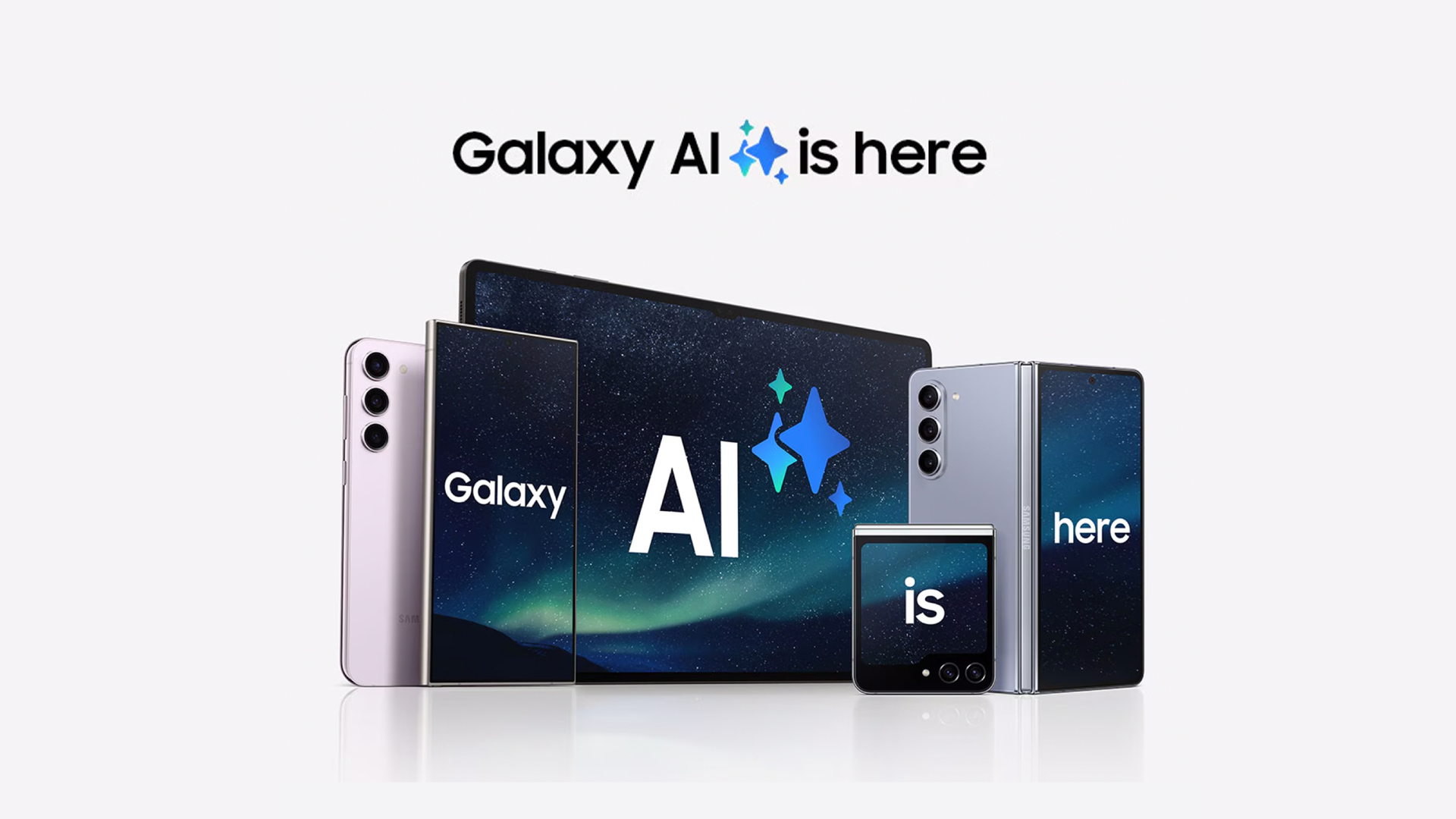
The rivalry between Samsung and Apple is one of the most defining battles in the global technology industry. For over a decade, these two companies have pushed each other to innovate, dominate markets, and set new standards in the smartphone world. While Apple leads in design minimalism, software harmony, and brand prestige, Samsung’s strength lies in adaptability, hardware engineering, and technological diversity. This ongoing competition not only shapes how billions of people use smartphones but also influences broader trends in displays, semiconductors, and artificial intelligence.
A Global Power Balance
Samsung and Apple have carved out two distinct positions in the global market. Apple dominates in North America, Europe, and select Asian markets with its tightly controlled ecosystem and premium pricing. In contrast, Samsung has built an expansive presence across all continents, particularly in emerging markets such as Africa, Latin America, and Southeast Asia. Its vast network of distribution channels and ability to serve multiple price segments have allowed it to maintain a massive global footprint. This reach ensures that Samsung remains Apple’s most direct and consistent competitor worldwide.
Innovation as a Driving Force
Samsung’s dominance is deeply rooted in continuous innovation. The company is known for experimenting with new designs and technologies before they reach mainstream use. It was among the first to introduce curved-edge displays, water resistance, and fast-charging capabilities. Its foldable smartphones, such as the Galaxy Z Fold and Galaxy Z Flip series, represent bold technological steps that reimagined the mobile experience. Apple, on the other hand, tends to perfect existing technologies rather than pioneer them. This difference in approach—Samsung as the risk-taker and Apple as the perfectionist—has fueled a rivalry that constantly raises industry standards.
Mastery in Display Technology
Samsung’s leadership in display manufacturing is unmatched. The company produces OLED and Dynamic AMOLED panels not only for its own devices but also for many of its competitors, including Apple. These displays are known for their vibrant colors, deep contrast, and power efficiency. Samsung’s continued research into MicroLED and QD-OLED technologies shows its commitment to redefining how people interact with screens. Apple’s reliance on Samsung for display components underscores the South Korean company’s influence even within its rival’s ecosystem.
Diversity Across Product Lines
Unlike Apple, which focuses on a streamlined product lineup, Samsung thrives on diversity. The brand offers smartphones across all market levels—from the flagship Galaxy S and Z series to the more affordable Galaxy A and M series. This wide range ensures that Samsung appeals to both budget-conscious consumers and high-end buyers. Its strategy allows it to compete in multiple market segments simultaneously, something Apple’s exclusive pricing model limits. The variety of Samsung’s products helps maintain consistent sales volume across diverse economic regions, giving it an advantage in market adaptability.
Semiconductor Supremacy
One of Samsung’s strongest competitive advantages lies in its semiconductor division. It is one of the world’s leading producers of memory chips and processors, powering millions of devices globally. Samsung’s Exynos chips compete directly with Apple’s A-series processors, while its 3-nanometer technology promises to revolutionize speed and power efficiency. What makes this even more significant is that Apple itself depends on Samsung for key components such as NAND flash memory and display panels. This dual role—as both supplier and competitor—places Samsung in a uniquely powerful position within the global supply chain.
The Ecosystem and Software Balance
Apple’s strength lies in its closed, seamless ecosystem that connects iPhones, Macs, iPads, and Apple Watches. This harmony delivers a unified experience for users. Samsung, meanwhile, leverages the open nature of Android to build a more flexible system. Its One UI interface provides customization options that appeal to users who value control and personalization. Moreover, Samsung’s integration with Google services and its own SmartThings platform expands its ecosystem beyond phones into TVs, appliances, and wearables. This open connectivity offers a level of flexibility that Apple’s restricted environment cannot match.
Market Adaptability and Pricing Strategy
Samsung’s multi-tiered pricing model is another reason it remains Apple’s biggest rival. While Apple targets the high-end market exclusively, Samsung’s strategy spans all economic classes. The Galaxy A series brings advanced features to affordable devices, while the Galaxy S and Z models offer cutting-edge innovation for premium customers. This range allows Samsung to adapt quickly to global economic shifts and maintain relevance across all demographics. In contrast, Apple’s high entry price often limits its accessibility in developing economies. Samsung’s ability to scale up or down based on market demand ensures steady global growth.
Research and Development Strength
Innovation at Samsung is sustained by enormous investments in research and development (R&D). The company spends billions annually on exploring new frontiers in AI, robotics, 5G, and semiconductor technology. This relentless investment ensures Samsung remains at the cutting edge of multiple industries, not just smartphones. Its R&D divisions in Seoul, Silicon Valley, and Europe work on next-generation materials, flexible displays, and even quantum computing. These efforts maintain its lead as a hardware innovator and a pioneer of the next digital revolution.
Brand Image and Consumer Perception
Apple has built its reputation on simplicity, luxury, and user trust. Samsung, however, has created a brand identity based on innovation, creativity, and practicality. Its marketing emphasizes individuality and technological progress, appealing to a wider audience that values choice and versatility. While Apple enjoys cult-like loyalty in many markets, Samsung’s broad appeal comes from consistent quality and accessibility. Both brands inspire strong emotional connections, but Samsung’s openness and range give it a wider demographic reach.
Sustainability and Social Responsibility
Both Apple and Samsung have made sustainability a key part of their corporate strategies. Samsung’s Galaxy for the Planet initiative aims to reduce carbon emissions, minimize plastic use, and expand renewable energy adoption across its operations. It has also started using recycled materials like ocean-bound plastics in its devices. These actions reflect Samsung’s commitment to balancing innovation with environmental responsibility. While Apple leads in eco-friendly manufacturing and packaging, Samsung’s large-scale sustainability programs highlight its capacity to lead change across multiple sectors.
A Rivalry That Shapes the Industry
The ongoing competition between Samsung and Apple has become the driving force behind technological progress. Each time one company introduces a breakthrough, the other responds with innovation of its own. This rivalry extends beyond smartphones into wearables, smart homes, and artificial intelligence. Consumers benefit the most from this constant competition, as it ensures that both companies continue to refine, improve, and expand the limits of what technology can do.