BYD Targets Africa’s Untapped Potential
BYD, the world’s largest maker of new energy vehicles (NEVs), is shifting its focus toward Africa’s rapidly emerging electric vehicle market. With China’s domestic EV industry now facing saturation and price wars, BYD sees Africa as the next frontier for sustainable growth. The company’s strategy emphasizes accessibility, infrastructure, and long-term investment, marking a new era for electric mobility on the continent.
Building Infrastructure for Growth
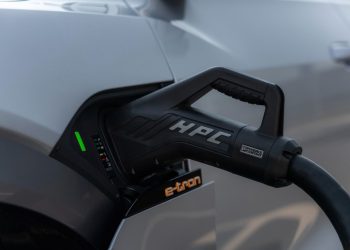
BYD has announced plans to construct between 200 and 300 charging stations across South Africa by 2026. The company aims to install these in major cities and along key transportation corridors to support electric vehicle adoption. These charging hubs will include solar-powered systems and energy storage solutions to overcome Africa’s ongoing power reliability challenges. BYD believes that infrastructure is the foundation of sustainable EV growth, ensuring that electric mobility becomes both practical and dependable.
Beyond South Africa, BYD has identified Kenya, Nigeria, Egypt, and Morocco as key target markets. These countries are experiencing fast urbanization, government-backed clean energy policies, and an expanding middle class eager for modern vehicle options. By establishing early partnerships and local operations, BYD aims to position itself as the continent’s leading electric vehicle supplier.
Product Launches and Local Expansion
The company recently unveiled its BYD Dolphin Surf, an affordable electric hatchback designed to appeal to urban African buyers. It offers a combination of performance, range, and efficiency suitable for city commutes. BYD plans to expand its product lineup to include SUVs, sedans, and commercial EVs to cater to diverse regional needs.
In South Africa, BYD has already opened flagship showrooms in Johannesburg and Cape Town. Plans are underway to launch a logistics and spare parts distribution hub to streamline after-sales support. This strategy ensures that African customers gain access to global standards of service and reliability. BYD’s expansion goes beyond sales—it’s about creating a self-sustaining ecosystem for electric transportation.
Overcoming Challenges in the African EV Market
While the opportunity is enormous, the challenges remain significant. Africa’s power infrastructure struggles with reliability, and many regions lack charging infrastructure. BYD is tackling this by integrating renewable energy solutions into its charging stations, combining solar energy with battery storage systems.
Affordability also remains a concern. The company intends to introduce flexible financing models and potential local assembly to reduce import costs. Governments in South Africa, Kenya, and Nigeria have begun introducing tax incentives for electric vehicles, helping close the price gap between EVs and traditional cars.
Another challenge is consumer awareness. BYD has started collaborating with local transport ministries and educational institutions to promote EV literacy. Through test drives, media campaigns, and training for local technicians, the company hopes to build trust in electric vehicle ownership.
Competition and Strategic Advantage
BYD’s African entry comes amid growing global interest in the continent’s automotive market. Tesla, Volkswagen, and Hyundai have all hinted at future African operations. However, BYD holds a major advantage—it controls its full supply chain, from battery production to vehicle manufacturing. This vertical integration allows BYD to offer cost-effective models without compromising quality or performance.
The company also has extensive experience in adapting to diverse markets across Asia, Europe, and Latin America. Its strong relationships with local governments and infrastructure partners position it to expand more efficiently than newer competitors. BYD’s presence could help set EV standards and inspire regional manufacturing partnerships in Africa’s growing automotive sector.
Africa’s Role in the Future of Electric Mobility
Africa’s transportation system is evolving rapidly, and BYD’s arrival could accelerate the shift from fossil fuels to clean energy. With rising fuel costs, urban pollution, and climate commitments, African nations are seeking sustainable mobility solutions. The introduction of affordable EVs and reliable charging infrastructure could transform urban transport and logistics.
By 2030, Africa’s EV market is projected to reach more than 1 million units annually, driven by government incentives, green policies, and technological innovation. BYD’s long-term presence could make the continent a vital component of its global expansion strategy.
The Road Ahead
As BYD invests in Africa’s EV ecosystem, it symbolizes a broader transformation: the continent’s shift from being an import-dependent market to becoming an active participant in the global clean energy revolution. With infrastructure investment, product affordability, and education, Africa could become one of the fastest-growing EV markets worldwide. BYD’s move isn’t just about cars—it’s about redefining how Africa moves toward a cleaner, smarter future.