
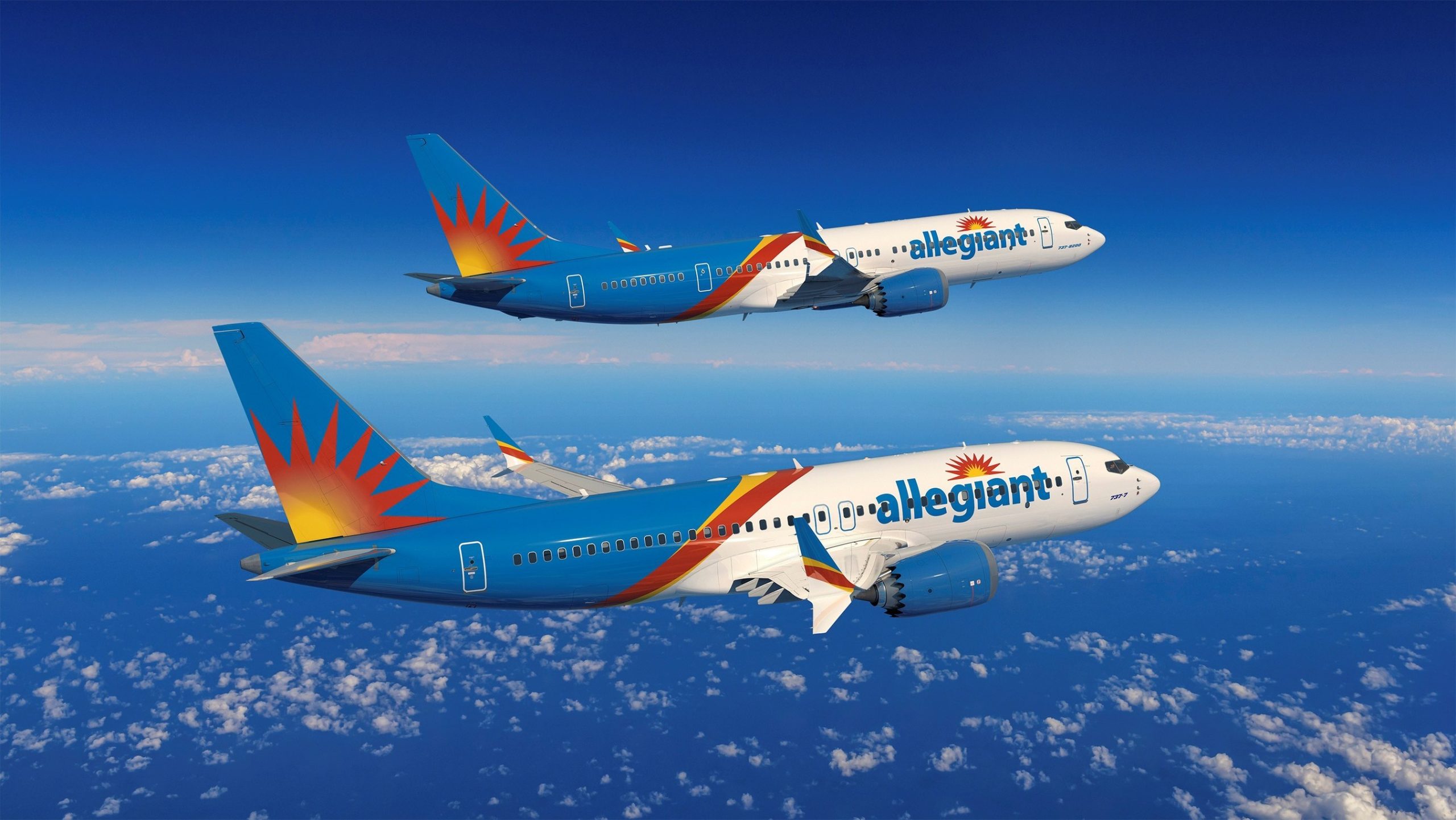
The U.S. airline industry is set for another major consolidation after Allegiant Air announced plans to acquire Sun Country Airlines in a cash-and-stock transaction valued at approximately $1.5 billion, including debt. The deal brings together two profitable low-cost carriers with a shared focus on leisure travel, underscoring how airlines are reshaping their strategies around vacation demand and flexible route planning.
Executives from both companies described the merger as highly complementary, arguing that the combined airline will be better positioned to offer affordable fares, reach more destinations, and compete more effectively in the evolving U.S. travel market.
A Strategic Merger in the Leisure Travel Space
Unlike legacy airlines that rely heavily on business travelers and hub-and-spoke networks, both Allegiant and Sun Country have built their success around leisure-focused flying. They concentrate on connecting smaller and mid-sized cities directly to popular vacation destinations, often operating only a few flights per week on each route to match seasonal demand.
Under the proposed deal, the merged airline would serve about 175 cities, operate more than 650 routes, and manage a fleet of roughly 195 aircraft, according to information shared with investors. Company leaders believe this scale will allow the airline to optimize capacity, improve aircraft utilization, and expand into new leisure markets without abandoning the low-cost discipline that defines both brands.
Leadership Sees a “Natural Fit”
Allegiant CEO Gregory Anderson expressed strong confidence in the transaction, highlighting the consistent profitability of both airlines.
He said that Allegiant and Sun Country have demonstrated that a leisure-driven, flexible capacity model can perform well even in volatile economic conditions. Combining the two operations, he noted, creates opportunities to share best practices, enhance efficiency, and deliver long-term value to customers and shareholders alike.
Sun Country CEO Jude Bricker echoed that sentiment, calling the merger a “tremendous fit.” Bricker brings a unique perspective, having previously served as Allegiant’s chief operating officer earlier in his career. Under the agreement, Anderson will lead the combined airline as CEO, while Bricker will join the board of directors.
What the Deal Means for Travelers
For passengers, the airlines emphasized that nothing will change immediately. Travelers can continue booking flights, earning rewards, and flying with either airline as usual. Ticketing systems, flight schedules, onboard services, and the Sun Country brand will remain unchanged in the near term.
Over time, however, the combined network could offer more nonstop options, particularly for travelers in smaller markets who value direct access to leisure destinations. Executives said the goal is to increase affordable travel choices rather than reduce service, a key point regulators and consumer advocates will likely scrutinize as the deal moves forward.
Brand and Operational Structure
Once the acquisition is completed, the merged company will operate under the Allegiant name and be headquartered in Las Vegas, Allegiant’s longtime base. At the same time, the airline will maintain a significant operational presence in the Minneapolis–St. Paul region, where Sun Country is based.
Importantly, Allegiant plans to continue operating Sun Country’s charter and cargo businesses, which include flying sports teams, military charters, and e-commerce cargo operations. These diversified revenue streams are seen as a stabilizing factor that can help offset seasonal swings in leisure travel demand.
Regulatory and Shareholder Approval Ahead
The transaction still requires approval from U.S. regulators and Sun Country shareholders. Airline mergers typically face close scrutiny from antitrust authorities, particularly around route overlap, pricing power, and consumer choice.
However, analysts note that Allegiant and Sun Country have relatively limited overlap compared with previous mega-mergers involving legacy carriers. Their emphasis on underserved markets and point-to-point leisure routes may strengthen the case that the deal enhances competition rather than restricts it.
If approved, the companies expect the acquisition to close in the second half of 2026.
Industry Context: Consolidation Continues
The announcement comes amid ongoing consolidation across the airline industry, as carriers seek scale and resilience in the face of rising costs, aircraft delivery delays, and shifting travel patterns. Leisure travel has proven more durable than business travel in recent years, prompting airlines to double down on vacation-focused strategies.
By combining forces, Allegiant and Sun Country aim to strengthen their position against both ultra-low-cost rivals and larger network airlines that have increasingly targeted leisure routes.
Looking Ahead
If completed, the Allegiant–Sun Country merger would create one of the largest leisure-focused airlines in the United States, with a broad geographic footprint and a business model designed to flex with consumer demand. For travelers, the long-term promise is more nonstop routes and competitive fares. For the industry, the deal highlights how airlines are adapting to a future where leisure travel plays a central role.
As regulators review the proposal and integration planning begins, investors and passengers alike will be watching closely to see whether the promised benefits of scale and affordability ultimately take flight.


