
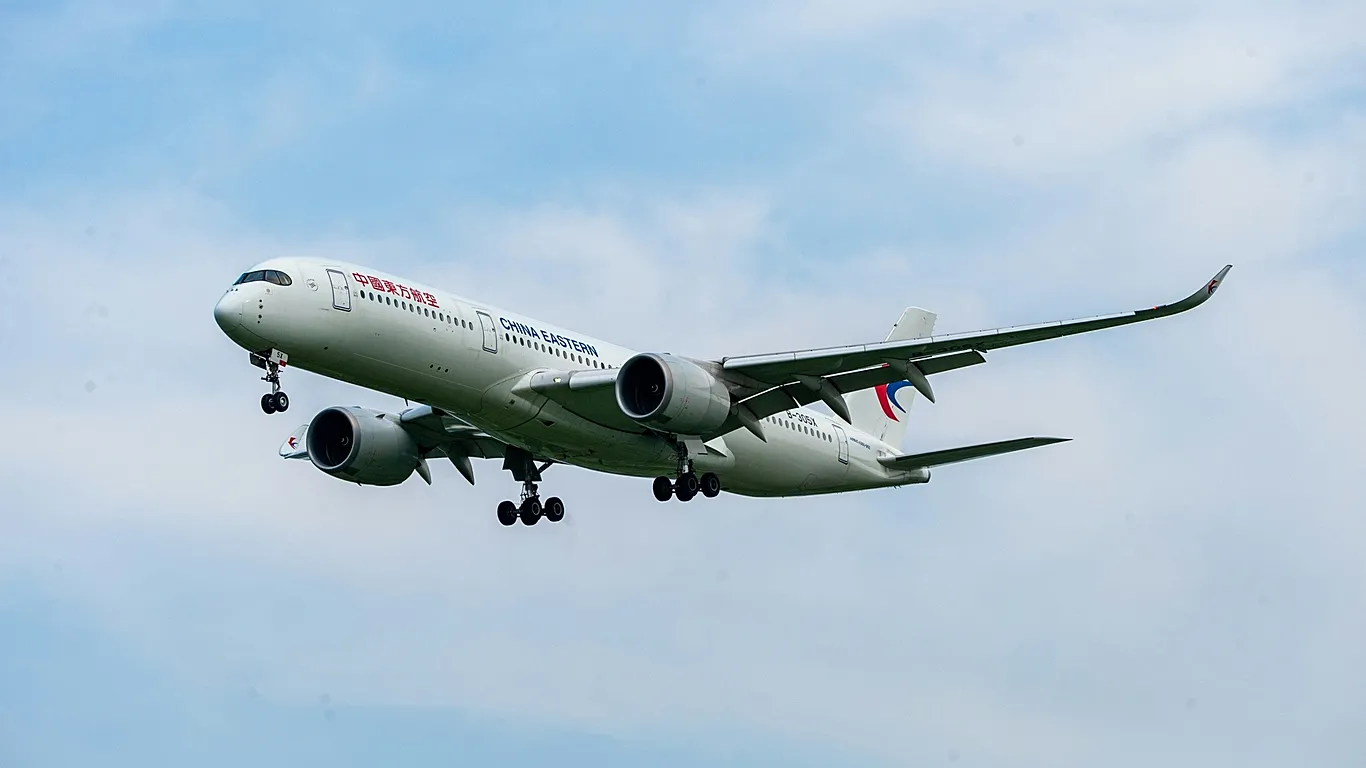
In an impressive feat of air travel, China Eastern Airlines has launched the world’s longest flight, connecting Shanghai to Buenos Aires. This ultra-long-haul journey, taking 29 hours, marks a significant achievement in the airline industry and signals a new era for international travel. The flight sets a new record, offering passengers a direct link between two of the most distant cities on the planet.
The Longest Flight in the World
On December 4, 2025, China Eastern Airlines made aviation history. The flight departed from Shanghai Pudong International Airport, heading southward with a short stopover in Auckland, New Zealand. The southbound leg of the flight takes just over 25 hours, while the return leg stretches to nearly 29 hours due to favorable winds. The service covers an incredible 20,700 kilometers (12,900 miles), connecting two of the world’s most distant cities: Shanghai and Buenos Aires.
This record-breaking flight is operated using a Boeing 777-300ER, which can carry 316 passengers in a two-class configuration. The airline operates this service twice a week, showcasing the growing capability of aircraft to handle such long distances efficiently.
A Groundbreaking ‘Southbound Corridor’
The new Shanghai-Buenos Aires route represents more than just a technical achievement. It is part of China Eastern Airlines’ broader strategy to create a new travel corridor that connects Asia, Oceania, and South America. The airline describes this route as a step toward developing an “Air Silk Road,” which will enhance travel between three continents.
One of the key motivations for this flight is the large Chinese expatriate community in Argentina. There are around 55,000 Chinese nationals living in Argentina, making it a critical market for the airline. The new route improves connectivity for both business and leisure travelers, reflecting China Eastern’s commitment to expanding its global network.
Flight Details and Pricing
The Shanghai-Buenos Aires service has already garnered attention from travelers around the world. The flight’s prices range from €1,320 to €1,950 for economy class tickets, while business class fares reach up to €4,200. The cost reflects both the length of the flight and the level of comfort provided on board.
The Boeing 777-300ER, with its fuel efficiency and extended range, is key to making this ultra-long-haul flight possible. Passengers benefit from modern amenities, including comfortable seating and in-flight entertainment, making the 29-hour journey more manageable. China Eastern Airlines has made sure that long-distance travelers enjoy a comfortable experience, even on a flight of this magnitude.
Ultra-Long-Haul Flights: A Growing Trend
The Shanghai-Buenos Aires flight is part of an expanding trend of ultra-long-haul routes. Airlines are increasingly pushing the limits of what’s possible with modern aircraft, which are lighter and more fuel-efficient. These improvements have made it possible to connect regions that were once considered too distant for non-stop flights.
Singapore Airlines currently operates the longest non-stop flight, linking Singapore and New York’s JFK Airport. This flight, which lasts around 18 hours, is flown using the ultra-long-range Airbus A350. Other airlines, like Qatar Airways and Qantas, also offer ultra-long-haul flights, connecting destinations such as Doha and Auckland, and Perth to London Heathrow.
As airlines continue to develop aircraft capable of covering greater distances, the world is becoming more interconnected. Non-stop flights between continents are now more common than ever, shortening travel times and providing more convenient options for passengers.
What’s Next for Ultra-Long-Haul Travel?
Looking ahead, ultra-long-haul flights are expected to become even more common. Qantas is preparing to introduce its ‘Project Sunrise’ routes by late 2026 or 2027, offering non-stop flights from Sydney to London and Sydney to New York. These flights will take between 19 and 22 hours, and will be operated by Airbus A350-1000s, specially configured with additional fuel tanks to handle the extended journey.
These developments point to a future where traveling to the farthest corners of the globe becomes increasingly feasible. As aircraft technology improves and airlines introduce more direct routes, travelers will have more options than ever to reach distant destinations.
The Future of Long-Distance Travel
The Shanghai-Buenos Aires service exemplifies how air travel continues to evolve. It highlights the growing capabilities of modern aircraft and the increasing demand for long-haul flights. With airlines constantly improving fuel efficiency and reducing travel times, ultra-long-haul flights are becoming a regular part of the air travel landscape.
China Eastern’s 29-hour journey stands as a testament to the progress made in the aviation industry. As aircraft like the Boeing 777-300ER and Airbus A350 enable longer and more efficient flights, ultra-long-haul travel will only continue to grow. The global connectivity that once seemed out of reach is now becoming a reality.


