
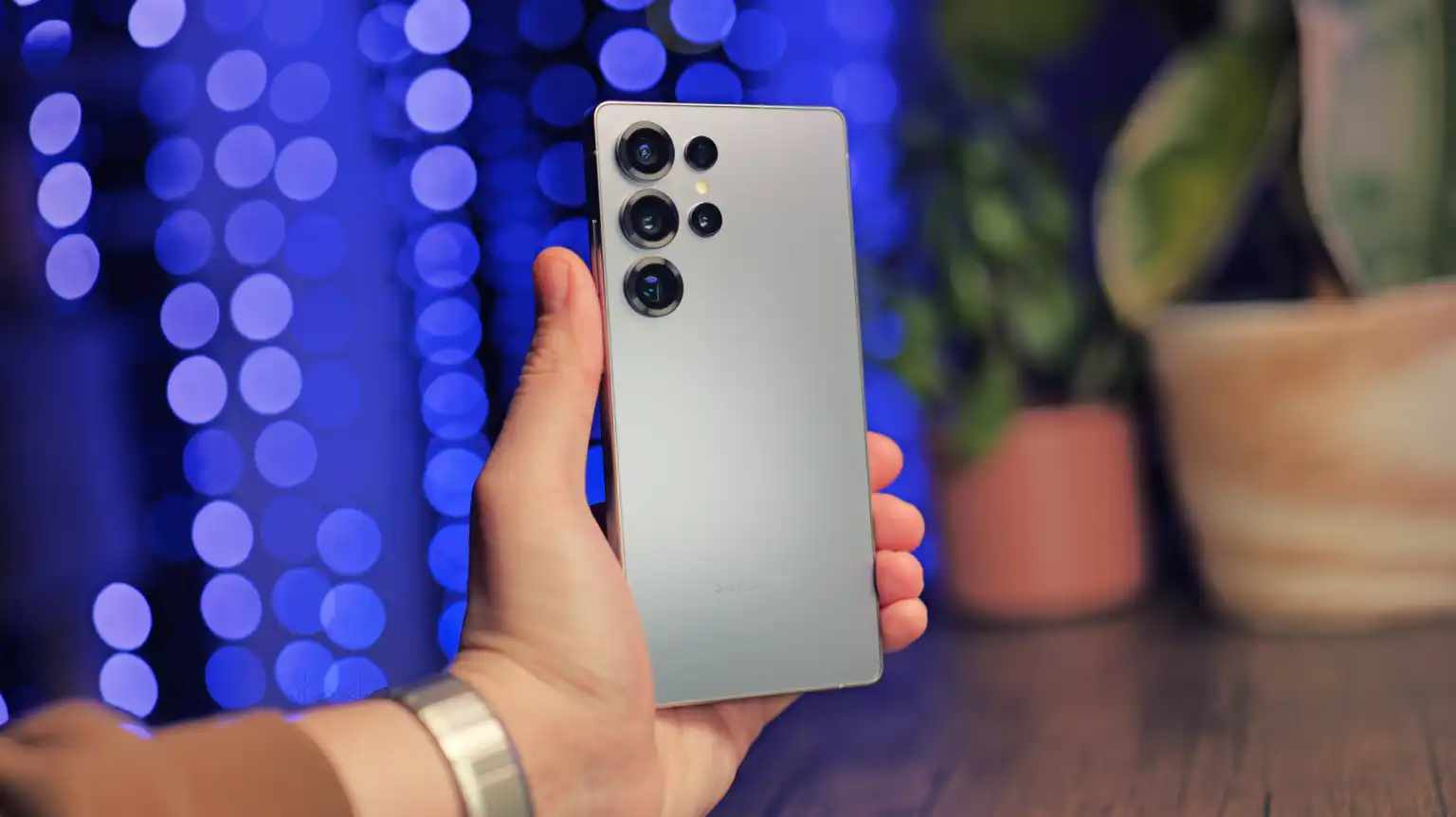
Samsung’s upcoming Samsung Galaxy S26 Ultra was expected to deliver one of the most meaningful upgrades in the Galaxy S lineup: faster wired charging. Moving from 45W to 60W on paper sounds like a big leap, especially in a market where rivals routinely push 80W, 100W, or even higher. However, fresh charging test data suggests that this long-awaited upgrade may be far less impressive in real-world use than many hoped.
Instead of transforming the daily charging experience, the S26 Ultra’s 60W charging appears to offer only marginal gains. That raises important questions about Samsung’s charging strategy, battery design, and whether the company is prioritizing long-term battery health over headline-grabbing specs.
The Promise of 60W Charging
For years, Samsung has taken a conservative approach to fast charging. While brands like Xiaomi, OnePlus, and Oppo aggressively increased charging wattage, Samsung stuck with 45W on its Ultra models. As a result, expectations were high when credible leaks suggested that the Galaxy S26 Ultra would finally jump to 60W.
A 15W increase sounds significant. Many users assumed this would translate into dramatically shorter charging times, especially during quick top-ups. Samsung even launched a new 60W charger, reinforcing the idea that this was a major generational improvement.
But fast charging performance depends on much more than the maximum wattage printed on the box.
What the Charging Tests Actually Show
According to well-known leaker Ice Universe, early charging tests indicate that the Galaxy S26 Ultra can charge from 0% to 75% in around 30 minutes. On the surface, that looks impressive. In practice, however, it tells a different story.
Independent testing of the Samsung Galaxy S25 Ultra showed that it could reach around 70% in the same 30-minute window using its 45W charging system. Some reviewers even reported slightly better results under optimal conditions.
That means the jump from 45W to 60W delivers only about 5% extra charge in half an hour. For most users, that difference will be barely noticeable.
Even more importantly, these S26 Ultra results were reportedly achieved under lab conditions, which tend to favor best-case performance. In everyday use—where heat, background tasks, and charging habits vary—the gap could be even smaller.
Why More Watts Don’t Always Mean Faster Charging
This situation highlights a common misconception: higher wattage does not automatically equal dramatically faster charging.
Modern smartphones use multi-stage charging curves. Charging starts fast when the battery is low, then slows down significantly as it approaches higher percentages. This protects battery health and prevents overheating. Samsung is particularly cautious here, prioritizing longevity and safety over raw speed.
As a result, the 60W peak may only be reached briefly. After that, charging speeds taper off quickly, limiting the real-world benefit.
In other words, Samsung may have raised the ceiling, but it hasn’t changed the overall charging philosophy.
Battery Size: A Crucial Unknown
Another factor complicating the picture is battery capacity. Rumors about the Galaxy S26 Ultra battery are mixed:
- Some sources suggest a slight increase to 5200mAh
- Others claim Samsung will stick with 5000mAh, the same as the S25 Ultra
If the battery does grow to 5200mAh, then reaching 75% in 30 minutes becomes slightly more impressive, as the charger is filling a larger battery in roughly the same time. However, even in that scenario, the improvement remains incremental rather than transformative.
If the battery stays at 5000mAh, the modest gains look even less compelling.
Exclusive to the Ultra — and That Matters
Another key detail is exclusivity. The 60W charging upgrade is expected to be limited to the Galaxy S26 Ultra:
- Galaxy S26: likely to remain at 25W
- Galaxy S26+: expected to stay at 45W
- Galaxy S26 Ultra: upgraded to 60W
This means Samsung is not redefining fast charging across the lineup. Instead, it’s offering a small perk for its most expensive model. For users considering the Ultra specifically for faster charging, the real-world gains may not justify the premium.
Samsung’s Conservative Philosophy
To understand why Samsung’s 60W upgrade feels underwhelming, it helps to look at the company’s broader philosophy.
Samsung has consistently emphasized:
- Battery longevity over peak speed
- Thermal stability and safety
- Long-term performance consistency
Aggressive fast charging generates more heat and can degrade batteries faster over time. Samsung’s approach minimizes these risks, even if it means lagging behind competitors in headline specs.
From that perspective, the S26 Ultra’s charging behavior makes sense. It’s designed to be safe, predictable, and durable rather than flashy.
The Real Hope: Qi2 Wireless Charging
Ironically, the more exciting charging upgrade may not be wired at all. Many fans are now looking toward Qi2 wireless charging as the area where Samsung could deliver a genuinely meaningful improvement.
Qi2 promises:
- Better magnetic alignment
- Improved efficiency
- More consistent wireless charging speeds
- Reduced heat compared to older wireless standards
If Samsung fully embraces Qi2 in the Galaxy S26 series, it could significantly improve everyday charging convenience—especially for desk and bedside use. In that context, the lackluster 60W wired performance becomes easier to forgive.
How the Galaxy S26 Ultra Still Competes
It’s important to keep this charging discussion in perspective. The Galaxy S26 Ultra is expected to shine in other areas:
- Advanced camera hardware and AI photography
- Premium AMOLED display technology
- Top-tier performance and long software support
- Refined design and build quality
Charging is only one part of the overall experience. For many users, Samsung’s balance of performance, reliability, and ecosystem integration still outweighs the appeal of ultra-fast charging.
Final Verdict: Incremental, Not Revolutionary
The Galaxy S26 Ultra’s 60W charging upgrade is not a failure—but it is far from revolutionary. In real-world use, the improvement over 45W charging appears minimal, especially given the expectations surrounding the upgrade.
Samsung has raised the number, but not fundamentally changed the experience. For users hoping for dramatically shorter charging times, this will likely feel disappointing. For those who value battery health and long-term reliability, Samsung’s cautious approach may still be the right call.
Ultimately, the real excitement around the Galaxy S26 Ultra may lie elsewhere—and possibly in wireless charging innovations rather than raw wired wattage.


