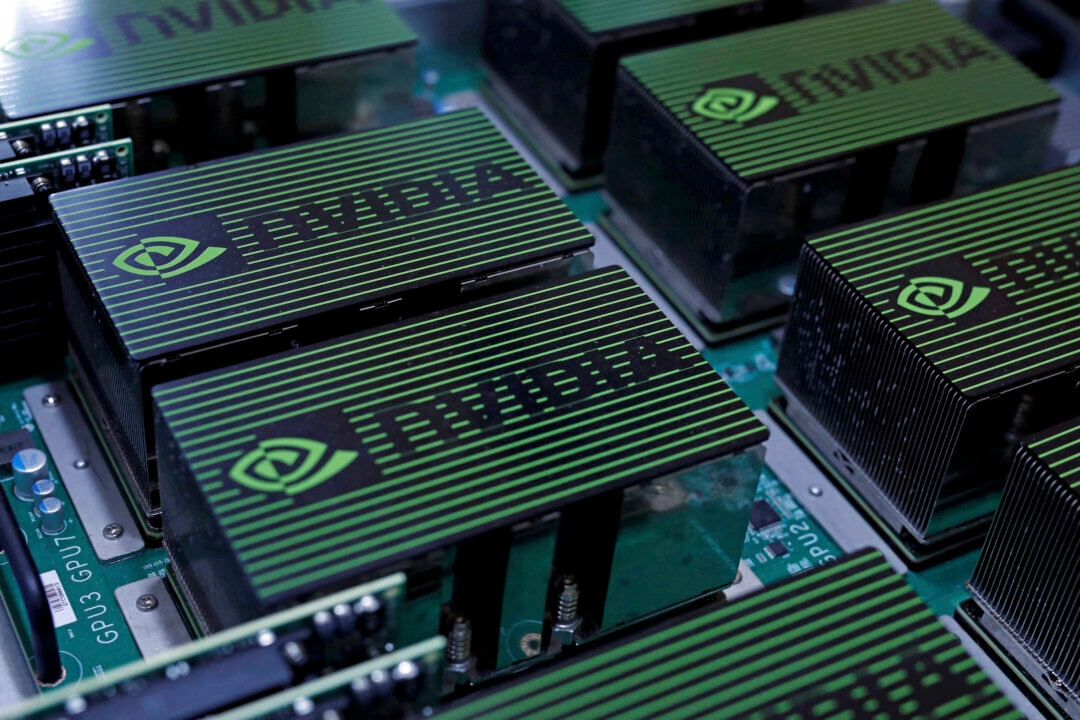
In a move that has sent shockwaves through the tech world, the United States has officially approved the sale of Nvidia’s H200 artificial intelligence (AI) chips to China. This decision, coming at a time when the global race for AI dominance is intensifying, signals a significant shift in U.S. technology export policy. The approval is poised to have major consequences not just for Nvidia, but also for the U.S. semiconductor industry, global tech competition, and U.S.–China relations.
The H200 chips are among the most powerful in Nvidia’s portfolio, designed to accelerate generative AI workloads and support high-performance computing (HPC) applications. These chips are pivotal to training and deploying large language models, which are at the heart of many cutting-edge AI systems. The approval to sell these chips to China has been surrounded by intense political debate, particularly regarding national security concerns, AI technological power, and the balance between economic interests and geopolitical stability.
The Green Light for Nvidia: What the Approval Means
The approval allows Nvidia to resume selling its H200 chips to China, but with strict conditions that aim to mitigate the national security risks. The United States has set clear limitations on the sales, including:
- No more than half of the chips sold to China compared to those sold within the U.S.
- The chips must undergo third-party lab testing to ensure they meet required AI and performance standards before export.
- Chinese buyers must adhere to specific security procedures and are prohibited from using the chips for military or surveillance purposes.
- Nvidia must ensure there is a sufficient domestic supply of H200 chips before fulfilling orders to Chinese customers.
These regulations underscore the complex balancing act between supporting U.S. companies and safeguarding national security. While the decision to approve sales opens up new revenue streams for Nvidia, it also comes with the responsibility of enforcing these strict usage guidelines.
The Role of Nvidia’s H200 Chips in the Global AI Race
The H200 chip is a cornerstone in the artificial intelligence landscape, playing a crucial role in training large-scale AI models, handling complex simulations, and accelerating data center workloads. It is designed to power the most demanding AI tasks, such as machine learning, deep learning, and natural language processing (NLP). These capabilities have far-reaching implications not only for the tech industry but also for military and strategic sectors.
In the hands of Chinese firms, the H200 chips could substantially boost China’s AI capabilities, enabling rapid advancements in areas like autonomous systems, quantum computing, and big data analytics. With AI being a critical component of military modernization and national security, there is significant concern that access to these chips could give China a strategic advantage.
However, despite these concerns, the decision reflects a growing recognition that technological progress in AI is interconnected globally. Simply banning sales to China would not stop the country’s AI ambitions but might encourage Chinese firms to build indigenous alternatives, making it harder for U.S. companies to influence the direction of global AI development.
Trump’s Influence on the Approval and Policy Shifts
The approval comes on the heels of an announcement made by Donald Trump, who publicly endorsed the move to permit Nvidia’s sales of H200 chips to China. On December 8, 2025, Trump posted on Truth Social that he would allow the sales in exchange for a 25 percent fee to be paid to the U.S. government. This proposal has been met with both support and criticism.
Trump framed the policy as a way to support American jobs, strengthen U.S. manufacturing, and ensure that U.S. companies remain competitive in the fast-evolving AI market. In his view, the previous policy under the Biden administration, which restricted advanced AI chip exports to China, had hindered U.S. firms by forcing them to create downgraded products that did not meet demand. He argued that the new policy would fuel innovation and create benefits for American taxpayers.
On the other hand, many lawmakers in Washington have raised concerns about the approval, arguing that allowing the sale of advanced AI chips to China could undermine U.S. national security. These critics warn that China could use the chips for military purposes or suppress democratic movements by leveraging advanced AI for surveillance and control. This division between economic interests and national security continues to define the debate on whether the U.S. should engage with China on cutting-edge technologies.
China’s Reaction and Its Strategic Interests in AI
While China has not officially commented on the decision, the approval of H200 chip sales aligns with China’s ongoing efforts to reduce dependency on foreign technology and accelerate AI advancements. China’s tech giants, including Baidu, Alibaba, and Tencent, have long been at the forefront of AI development in the country, with massive investments in AI research and high-performance computing.
By securing access to Nvidia’s advanced chips, China can supercharge its AI capabilities, which have strategic implications in both economic and military domains. With growing concerns about AI’s role in autonomous weapons and cyberwarfare, the global community will be watching closely to see how China integrates these advanced chips into its technological and military infrastructures.
Opposition from National Security Experts and Global Concerns
The approval has also raised alarms among national security experts and policy advisors, particularly about the long-term implications of AI proliferation. David Sacks, chair of the president’s Council of Advisors on Science and Technology, voiced his concerns about the approval, suggesting that the U.S. risks undermining its position in AI if China gains access to top-tier computing power. Sacks argued that the policy would allow U.S. firms to profit while encouraging China’s development of AI technologies that could ultimately rival the United States in key areas.
Critics point out that China’s AI development is rapidly accelerating, and access to advanced AI chips could increase the pace at which China builds out its military applications, such as AI-driven drones, autonomous vehicles, and cyber espionage tools. Many argue that such technology should remain out of China’s reach to prevent these risks.
The Global Impact of U.S. Chip Sales to China
While the H200 chip approval is seen as a strategic move by some, it could set a precedent for future sales of cutting-edge U.S. technology to China. This policy shift signals that global tech competition may no longer be purely defined by geographic boundaries but by strategic decisions about where and how technologies like AI are distributed.
As part of this shift, it’s likely that other U.S. firms, including AMD and Intel, will also be given the green light to sell advanced chips to China under similar conditions. Such moves could provide new revenue opportunities for U.S. companies but also expose them to geopolitical tensions that could affect global supply chains.
Looking Ahead: Navigating the Fine Line Between Innovation and Security
The decision to approve Nvidia’s H200 chip sales to China represents a calculated gamble. By allowing controlled access to cutting-edge technology, the U.S. aims to balance economic interests with national security concerns. The question remains whether this compromise will ultimately strengthen the U.S. position in global AI leadership or create new vulnerabilities for American firms in an increasingly interconnected and competitive world.
The impact of this decision will not be felt overnight, but it marks a pivotal moment in the ongoing geopolitical battle over artificial intelligence, semiconductors, and the future of technological dominance.