Goat farming in Kenya is quickly emerging as one of the most profitable agricultural ventures for both small-scale and commercial farmers. Whether you’re looking to venture into meat or milk production, goat farming offers high returns with a relatively low start-up cost. The demand for goat meat, especially in local eateries and nyama choma joints, is incredibly high, while goat milk is gaining recognition for its nutritional value and digestibility compared to cow milk.
With proper planning, good breeds, effective disease control, and the right farming methods, any Kenyan farmer can start a thriving goat farming business. Whether you are a beginner or an experienced farmer, this guide will provide you with the necessary insights to succeed in goat farming in Kenya.
How to Succeed in Goat Farming in Kenya
Goat farming in Kenya is a relatively low-risk venture that requires minimal capital investment compared to other livestock farming. However, like any farming business, success in goat farming requires the right approach. Here are the key steps to starting and managing a profitable goat farm.
Best Goat Breeds for Kenyan Farmers
Choosing the right goat breed is crucial for ensuring high productivity, whether you’re focused on milk production, meat production, or both. Here are some of the best goat breeds for Kenyan farmers:
- Saanen Goats: Known for high milk production, making them ideal for dairy farming.
- Toggenburg Goats: A hardy breed that is adaptable to different environments and good for milk production.
- German Alpine Goats: Suitable for both meat and milk production due to their versatility.
- African Boer Goats: A popular meat breed, known for fast growth and high-quality meat.
- Barbari Goats: A dual-purpose breed, known for its resilience and good meat quality.
- Jamunapari Goats: Excellent for milk production with high yield potential.
- Black Bengal: Primarily raised for meat, this breed is known for its high fertility.
- Galla Goats: Indigenous to Kenya, they are excellent for meat production.
- Anglo Nubian Goats: Produces quality milk and grows quickly, suitable for both dairy and meat farming.
The breed you select should be based on your farming goals and the local environment. For instance, Saanen goats are great for milk, while Boer goats are ideal for meat production.
Goat Housing Tips That Work
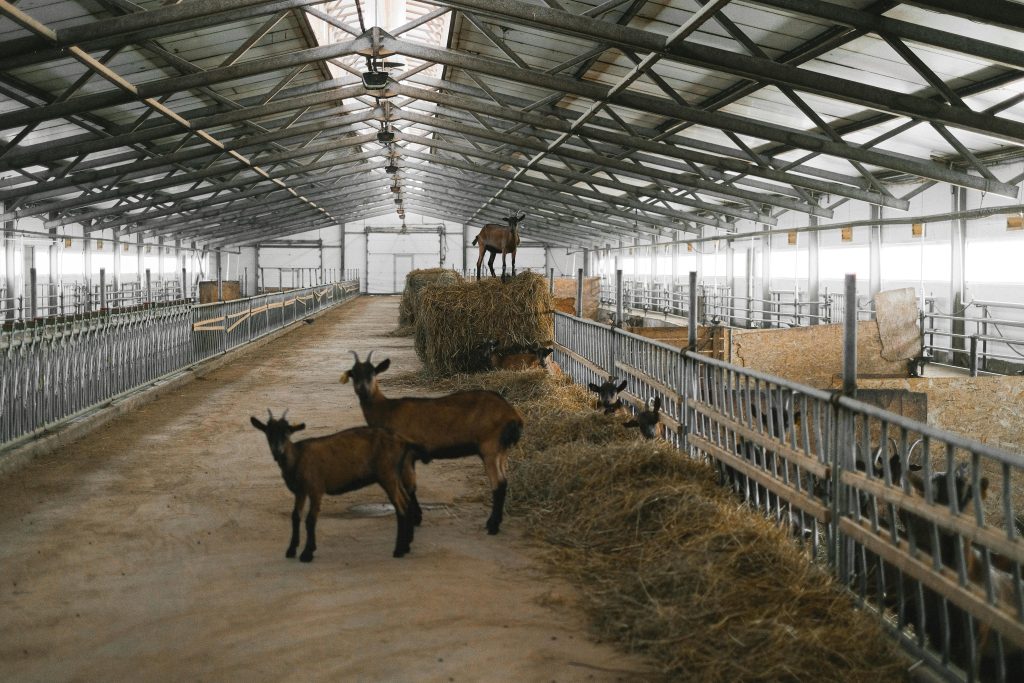
Proper housing for goats ensures they stay healthy and productive. Here are some tips for effective goat housing:
- Ventilation: Ensure that the goat pen is well-ventilated and dry to prevent respiratory problems.
- Strong Fencing: The pen should be secured with strong fences to prevent predators from attacking the goats.
- Regular Cleaning: Clean the shelter regularly to maintain good hygiene and prevent diseases.
- Bedding: Provide dry hay or grass as bedding to keep the goats comfortable.
- Shade: Goats need shade, especially in hot regions, to protect them from extreme temperatures.
Well-maintained housing is key to keeping your goats healthy, productive, and comfortable.
Feeding Goats the Right Way
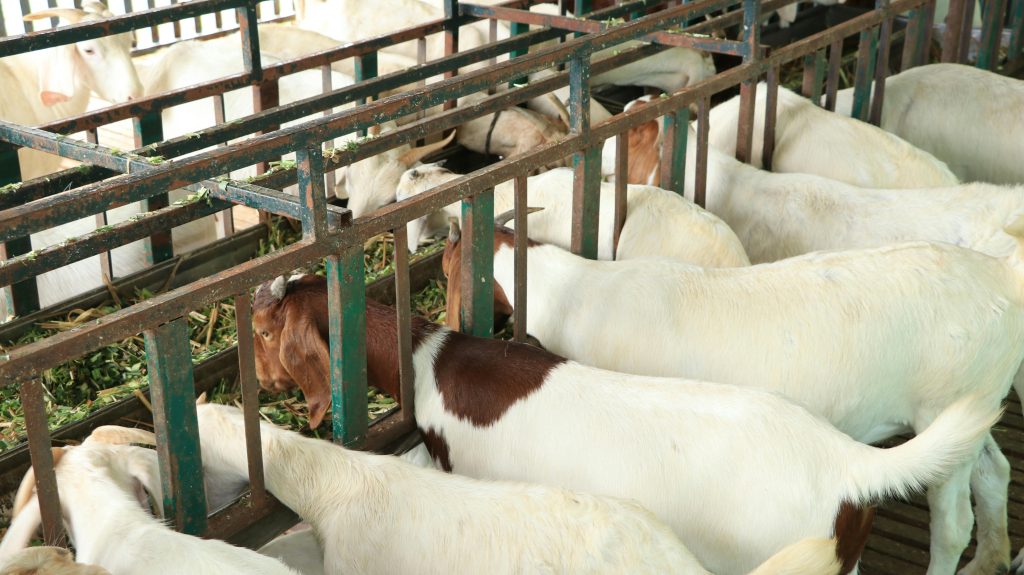
Feeding is a crucial aspect of goat farming. Goats are ruminants, meaning they can feed on a variety of forage materials. Here are the best practices for feeding your goats:
- Crop Residues and Green Leaves: Goats can graze on crop residues, green leaves, and even kitchen waste.
- Supplement with Formulated Feeds: For faster growth, you can supplement their diet with formulated feeds.
- Feed Kids Colostrum: After birth, ensure that kids are fed colostrum within the first few hours for better immunity.
- Green Leguminous Fodder: This improves digestion and boosts milk output, so it should be part of the regular diet.
- Clean Drinking Water: Ensure that goats have access to clean, fresh water at all times.
A proper diet ensures that your goats remain healthy and productive throughout their life.
Goat Farming Systems Used in Kenya
Depending on the space available and the resources at your disposal, you can choose from three main farming systems:
- Open Grazing System:
This system involves allowing goats to graze freely in open fields. It’s ideal for areas with ample pasture but requires large land areas. - Semi-Intensive System:
Goats are allowed to graze during the day and are given concentrate feeds in the evening. This system works well for farmers with limited land and a steady supply of supplementary feeds. - Intensive System:
In this system, goats are housed indoors and fed entirely with concentrated feeds. This system is suitable for urban areas and helps minimize the risk of disease but requires more management.
Each system has its benefits depending on your farm’s size and your resources.
Common Goat Diseases to Watch Out For
Like any livestock, goats are susceptible to diseases that can affect their health and productivity. Here are some common goat diseases to watch for:
- Salmonella Infection: Causes diarrhea and loss of appetite. Immediate treatment is necessary.
- Tuberculosis: A highly contagious disease that can spread rapidly, so affected goats should be isolated.
- Rinderpest: A potentially fatal disease if not treated, though it’s rare.
Regular vaccination and maintaining a clean environment are essential to preventing these diseases. Additionally, isolate sick goats immediately to prevent outbreaks on your farm.
Why Goat Farming Is a Good Idea
Goat farming has numerous advantages, making it an attractive option for many Kenyan farmers. Here’s why it’s a profitable venture:
- Quick Maturity: Goats mature quickly, reaching market weight in 10 to 12 months.
- Short Gestation Period: Goats have a short gestation period (about 150 days), allowing for faster production cycles.
- Low Capital Investment: Compared to cattle farming, goat farming requires significantly less capital to start.
- Adaptability: Goats are hardy animals and can adapt well to harsh environments and various climatic conditions.
- Milk Production: Goat milk is nutritious and can be milked multiple times a day.
- Rapid Reproduction: Goats reproduce quickly, leading to rapid herd growth, which can result in higher profits.
The Market for Goats in Kenya
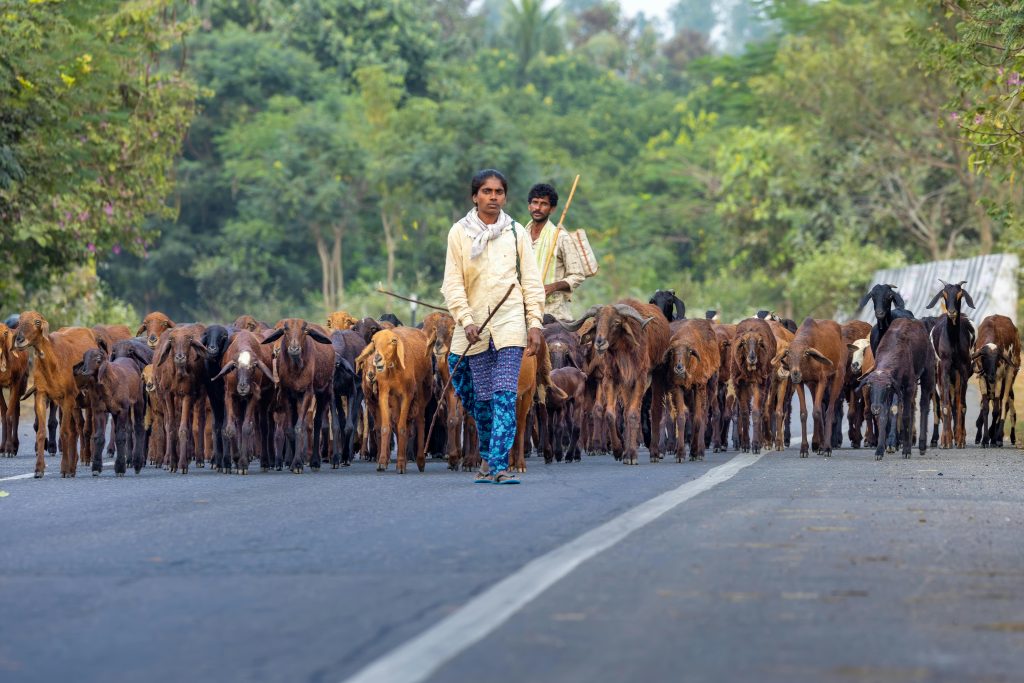
The demand for both goat meat and goat milk remains high in Kenya, creating a great business opportunity for farmers. Goat meat is highly sought after, especially in nyama choma joints and local butcheries. On average, a mature goat sells for around Ksh 6,000, with prices often rising during festive seasons or droughts when supply is lower.
Farmers can sell goats in:
- Local markets or supermarkets
- Groceries and fruit stalls
- Directly to slaughterhouses (for larger-scale operations)
With proper marketing and a steady supply, farmers can tap into the growing market for goat products in Kenya.
Goat farming in Kenya presents a fantastic opportunity for both new and experienced farmers. With low start-up costs, high returns, and minimal resource requirements, goat farming is a profitable venture that anyone can pursue. By choosing the right breed, maintaining proper feeding and housing, and being aware of common diseases, you can build a thriving goat farm.
Whether you want to raise goats for meat, milk, or both, Kenya offers the ideal environment to grow your business. With proper planning, management, and dedication, goat farming can bring steady income and success for agripreneurs in Kenya.