The Golden Globe Awards continued their long-running ratings decline in 2026, as the 83rd annual ceremony drew an estimated 8.7 million television viewers across the United States. According to Nielsen data, the figure represents a 6 percent drop from the 9.3 million viewers who tuned in for the 2025 broadcast, reinforcing concerns about the shrinking reach of traditional awards shows in the modern media era.
The ceremony aired live on CBS on January 11 and was hosted for the second consecutive year by comedian Nikki Glaser. While the event delivered strong cultural moments, headline-making wins, and high-profile appearances, it struggled to compete with the increasingly dominant pull of live sports and digital entertainment alternatives.
Strong Competition From NFL Playoffs
One of the most significant factors affecting the Golden Globes’ television performance was stiff competition from the NFL playoffs, which aired on NBC the same Sunday night. That playoff game attracted approximately 28.9 million viewers, nearly tripling the Golden Globes audience and underscoring the power of live sports as appointment television.
Media analysts note that sports programming has become one of the few reliable drivers of mass live viewership. Unlike awards shows, which can be watched later through clips and highlights, playoff games demand real-time viewing, placing entertainment events at a disadvantage when scheduled head-to-head.
Ratings Compared With Recent Golden Globes Broadcasts
The 2026 audience also fell below CBS’s earlier Golden Globes broadcasts. When the network first aired the ceremony in 2024, it drew roughly 9.4 million viewers. While the year-over-year decline may appear modest, the broader trend tells a more dramatic story.
During the late 2010s, the Golden Globes routinely attracted close to 20 million viewers. Over the past decade, however, viewership has steadily eroded due to changing audience habits, cord-cutting, and the rise of streaming platforms. The 8.7 million figure reflects not just one challenging night, but a long-term structural shift in how audiences engage with entertainment events.
Digital and Social Media Engagement Surges
Despite the drop in traditional television viewership, CBS and Golden Globes organizers emphasized strong performance across digital platforms. The 2026 ceremony was promoted as the “most social ever,” generating an estimated 42 million interactions across major social media platforms, including X, Instagram, TikTok, and Facebook. That marked a 5 percent increase compared with the previous year.
Organizers also highlighted the viral success of Glaser’s opening monologue, which surpassed 14 million online views within the first 36 hours after the broadcast. These numbers suggest that while fewer people are watching the full ceremony live, interest in shareable moments, jokes, and acceptance speeches remains strong.
Industry observers increasingly view social engagement as a parallel metric of success, even as advertisers and networks continue to rely heavily on linear ratings.
Major Film Winners of the Night
The 83rd Golden Globe Awards celebrated standout achievements in film, with “Hamnet” emerging as one of the evening’s most dominant titles. The film won best motion picture—drama and secured several acting honors, cementing its status as a major awards-season contender.
“One Battle After Another” captured best motion picture in the musical or comedy category, highlighting the Golden Globes’ long-standing reputation for blending prestige cinema with lighter, crowd-pleasing fare. The film categories reflected a diverse slate of storytelling styles and global perspectives.
Television Categories and Acting Honors
On the television side, “The Pitt” was named best drama series, while “The Studio” won best television series in the musical or comedy category. “Adolescence” earned the award for best limited series, adding to a strong showing for serialized storytelling.
Individual acting awards also generated attention. Wagner Moura won best actor in a drama for his performance in “The Secret Agent,” while Rose Byrne took home best actress in a musical or comedy for “If I Had Legs, I’d Kick You.” Their wins reflected the increasingly international and streaming-driven nature of modern television.
Introduction of Podcast Awards Signals Evolution
In a notable expansion of its scope, the Golden Globes introduced a new podcast awards category in 2026, acknowledging the growing influence of audio storytelling. The award for best podcast went to Good Hang With Amy Poehler, beating out high-profile nominees such as Armchair Expert With Dax Shepard, Call Her Daddy, SmartLess, and NPR’s Up First.
The addition of podcast awards reflects the Golden Globes’ attempt to remain relevant as media consumption extends beyond film and television into digital-first formats. Analysts see the move as part of a broader strategy to connect with younger audiences and emerging creators.
Long-Term Decline of Awards Show Viewership
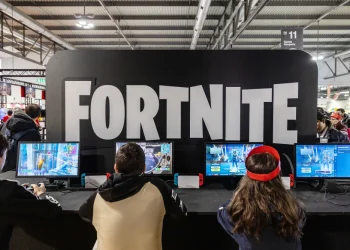
The Golden Globes’ ratings challenges mirror a wider trend affecting nearly all major awards shows. Factors contributing to declining viewership include the rise of streaming services, shortened attention spans, fragmented audiences, and increased competition from gaming and sports.
Many viewers now prefer to consume awards content in short clips rather than sitting through multi-hour broadcasts. Red-carpet fashion moments, viral speeches, and comedic highlights often gain far more traction online than the live show itself.
The Shift From NBC to CBS
The Golden Globes moved from NBC to CBS in 2024 following controversy surrounding the Hollywood Foreign Press Association, which previously organized the event. After facing criticism related to ethics and diversity, the HFPA sold the Golden Globes to a joint venture between Dick Clark Productions and Eldridge Industries.
While the ownership transition helped stabilize the brand and secure a new broadcast partner, it has not reversed the broader decline in linear television audiences.
What the Future Holds for the Golden Globes
The 2026 Golden Globes highlight a defining tension in modern entertainment: declining TV ratings alongside expanding digital reach. As Hollywood continues to adapt to new viewing habits, the success of awards shows may increasingly be measured by cultural impact rather than raw viewership numbers.
For now, the Golden Globes remain a prominent fixture of awards season, capable of generating headlines, shaping Oscar momentum, and sparking online conversation. Whether future ceremonies can regain mass audiences or fully embrace a digital-first model remains one of the biggest questions facing the industry.
As viewing habits continue to evolve, the Golden Globes’ ability to adapt may determine whether the ceremony thrives as a cultural event or becomes primarily a highlight-driven digital experience.