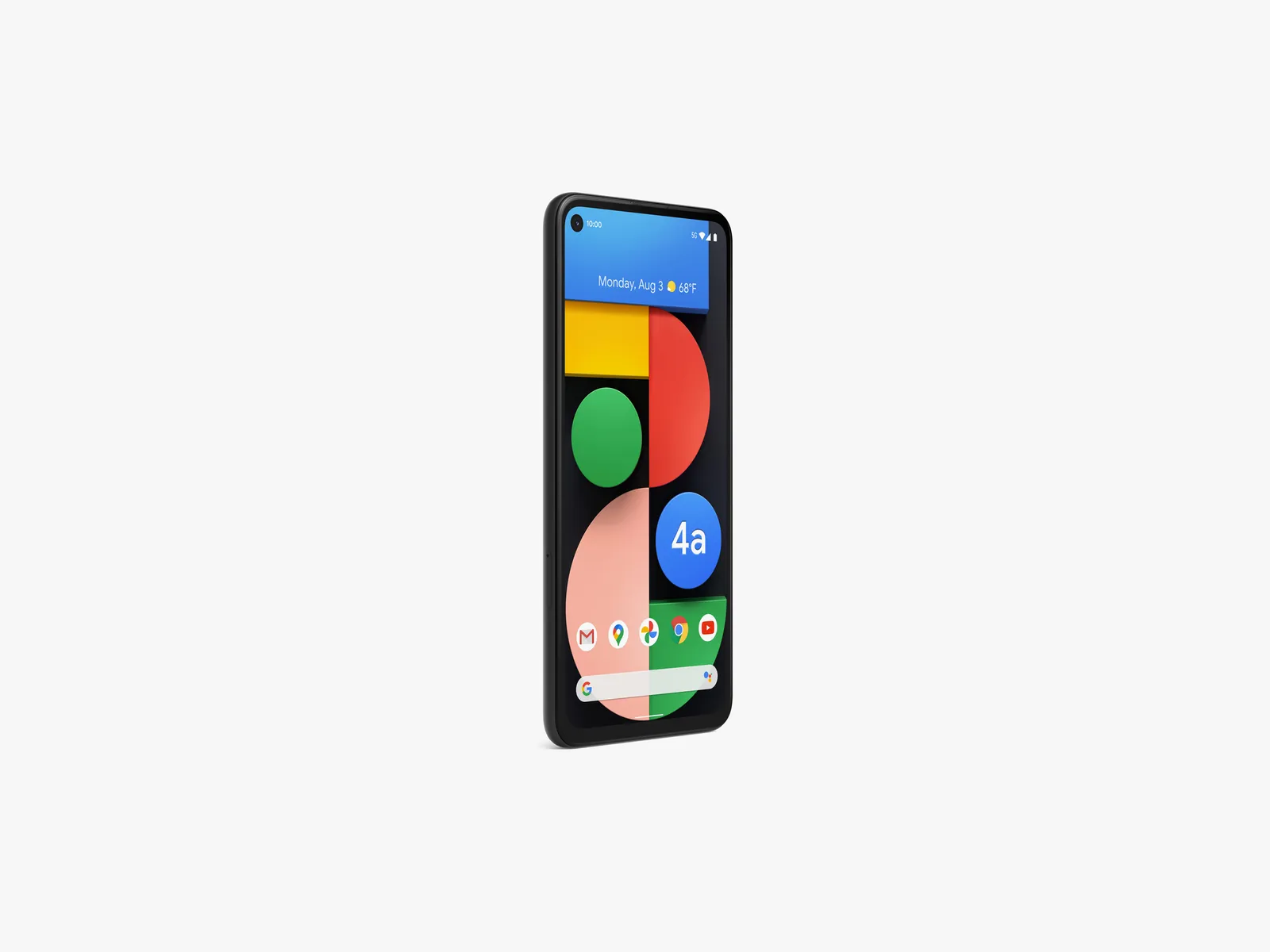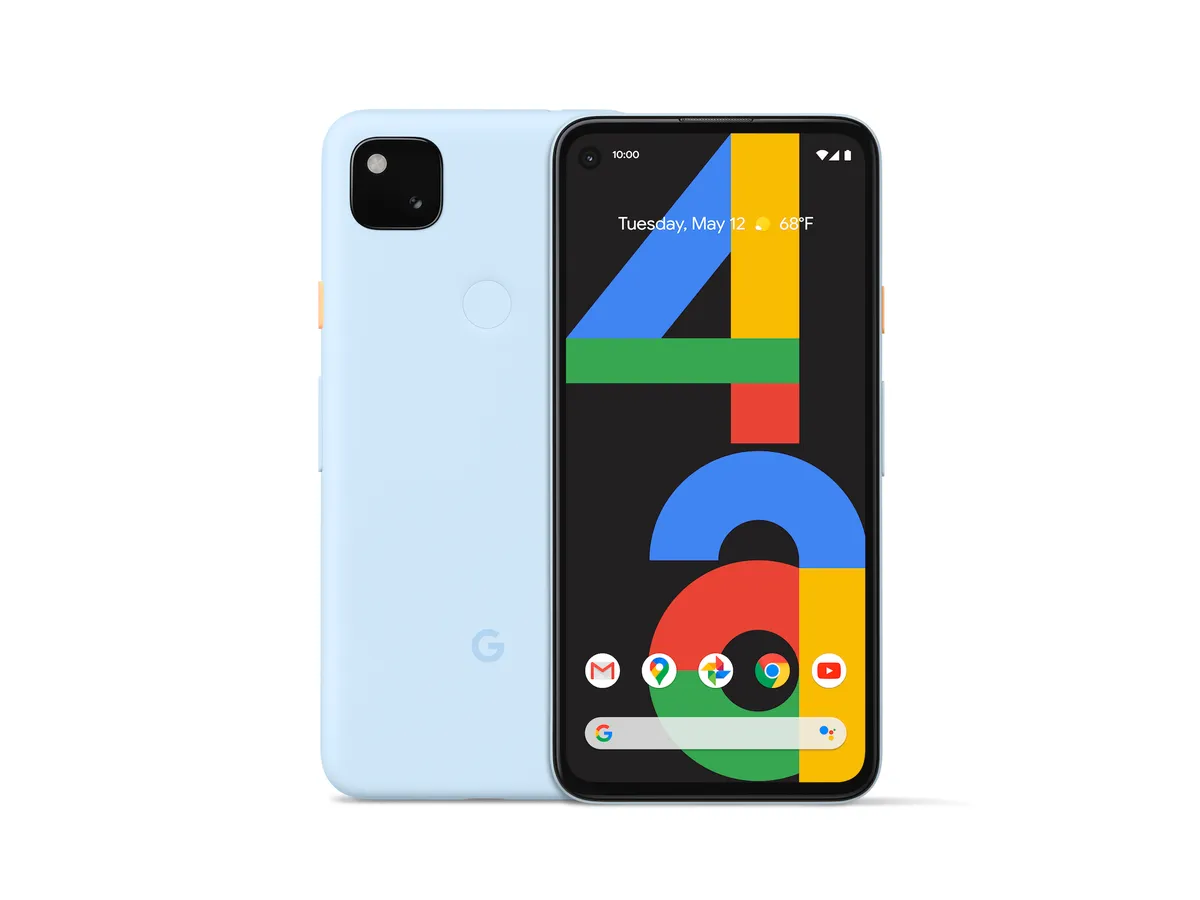
The Google Pixel 4a was officially released in August 2020, redefining the mid-range smartphone category with a balance of premium features and affordability. Building on the success of its predecessors, the Pixel 4a brought Google’s exceptional camera technology and clean Android experience to a compact, budget-friendly form factor. With a solid Snapdragon 730G processor, 6GB of RAM, and a single but powerful 12.2MP camera, it delivered impressive performance and imaging capabilities comparable to higher-end flagships. Moreover, it came with guaranteed Android updates, ensuring longevity and security for users seeking reliability without overpaying.
In addition, the Google Pixel 4a distinguished itself through simplicity and functionality. Its polycarbonate design, compact frame, and lightweight build made it comfortable to use, while the vibrant OLED display and stereo speakers enhanced media consumption. Combining practical hardware and smart software optimization, the Pixel 4a offered an outstanding experience for everyday users who valued quality and consistency.
Google Pixel 4a Full Phone Specifications
| Category | Specification |
|---|---|
| Launch | Announced August 3, 2020; Released August 20, 2020 |
| Status | Available |
| Network | GSM / HSPA / LTE |
| Body Dimensions | 144 x 69.4 x 8.2 mm (5.67 x 2.73 x 0.32 in) |
| Weight | 143 g (5.04 oz) |
| Build | Glass front (Gorilla Glass 3), plastic back, plastic frame |
| SIM | Nano-SIM + eSIM |
| Display Type | OLED, HDR |
| Display Size | 5.81 inches, 83.2 cm² (~83.3% screen-to-body ratio) |
| Resolution | 1080 x 2340 pixels, 19.5:9 ratio (~443 ppi density) |
| Protection | Corning Gorilla Glass 3 |
| OS | Android 10, upgradable to Android 13 |
| Chipset | Qualcomm Snapdragon 730G (8 nm) |
| CPU | Octa-core (2×2.2 GHz Kryo 470 Gold & 6×1.8 GHz Kryo 470 Silver) |
| GPU | Adreno 618 |
| Internal Storage | 128GB UFS 2.1, 6GB RAM |
| Card Slot | No |
| Main Camera | 12.2 MP, f/1.7, 27mm (wide), 1/2.55″, 1.4µm, dual pixel PDAF, OIS |
| Camera Features | LED flash, Pixel Shift, Auto-HDR, panorama |
| Video | 4K@30fps, 1080p@30/60/120fps; gyro-EIS |
| Selfie Camera | 8 MP, f/2.0, 24mm (wide), 1.12µm |
| Selfie Features | HDR |
| Video | 1080p@30fps |
| Sound | Stereo speakers, 3.5mm headphone jack |
| Connectivity | Wi-Fi 802.11 a/b/g/n/ac, Bluetooth 5.0, GPS, GLONASS, GALILEO, QZSS, BDS, NFC, USB Type-C 3.1 |
| Sensors | Fingerprint (rear-mounted), accelerometer, gyro, proximity, compass, barometer |
| Battery | Li-Po 3140 mAh, non-removable |
| Charging | 18W wired (PD2.0) |
| Colors | Just Black, Barely Blue |
| Models | G025J, GA02099, G025N |
| Price | $127.99 / £129.99 |
Camera
The Google Pixel 4a carried forward the same 12.2 MP rear camera sensor found in the flagship Pixel 4, proving that hardware optimization and software processing could outperform sheer megapixel counts. With features like Optical Image Stabilization (OIS), Dual Pixel Phase Detection Autofocus, and HDR+, the Pixel 4a captured crisp, vibrant, and perfectly balanced photos in all lighting conditions. Furthermore, the inclusion of Night Sight and Astrophotography Mode made it possible to take clear shots in near darkness, something few competitors could match in its price range.
The 8 MP front camera was equally capable, offering detailed selfies and accurate skin tones. Features like HDR and portrait mode ensured professional-looking photos with natural background blur. Additionally, video recording capabilities of 4K at 30fps and 1080p at up to 120fps made the Pixel 4a a reliable device for both photography and videography enthusiasts.
Design and Display
The Google Pixel 4a was designed with minimalism and practicality in mind. Its polycarbonate unibody construction provided durability while keeping the weight low at just 143 grams. The matte finish added a smooth touch, resisting fingerprints and enhancing grip. Moreover, the inclusion of a rear-mounted fingerprint sensor and 3.5mm headphone jack ensured convenience and accessibility for all types of users.
The 5.81-inch OLED HDR display delivered exceptional clarity with a Full HD+ resolution of 1080 x 2340 pixels and a 443 ppi pixel density. The panel offered deep blacks, excellent contrast, and vibrant colors suitable for streaming and gaming. Additionally, Gorilla Glass 3 protection safeguarded it from everyday scratches, and the slim bezels gave it a modern look with an impressive screen-to-body ratio. Therefore, the Pixel 4a’s display was not only bright but also perfectly sized for one-handed use.
Performance
Powered by the Snapdragon 730G chipset, the Google Pixel 4a delivered smooth performance across all everyday tasks, including multitasking, web browsing, and casual gaming. The Adreno 618 GPU provided good graphical handling for most modern titles, while 6GB of RAM ensured stable multitasking. Additionally, its 128GB UFS 2.1 storage offered ample space and fast data transfer speeds.
Running on Android 10 out of the box and upgradeable to Android 13, the Pixel 4a benefited from Google’s consistent updates and clean interface. Features like Google Assistant, Call Screen, and Recorder with live transcription showcased the integration of AI into the user experience. Furthermore, the phone’s lightweight software ensured lag-free operation, maintaining responsiveness even after extended use.
Battery and Charging
The 3140 mAh battery of the Google Pixel 4a provided reliable endurance for a full day of moderate to heavy use. It supported 18W fast charging through USB Power Delivery 2.0, quickly restoring battery life when needed. Moreover, adaptive battery optimization intelligently learned user habits to extend usage throughout the day. Although it lacked wireless charging, its efficiency and optimization made it highly practical for daily activities.
Durability
The Google Pixel 4a was built for real-world resilience. Its plastic body made it less prone to shattering, and the Gorilla Glass 3 front added scratch resistance. Despite lacking an official IP rating, it could withstand light splashes and dust exposure. The overall construction emphasized functionality over luxury, making it ideal for users seeking a dependable and portable smartphone.
Ultimately, the Google Pixel 4a combined compact elegance, dependable performance, and flagship-level photography into one affordable device. It was a triumph of smart engineering and software integration, proving that great smartphones do not need to be expensive. Furthermore, its simplicity, camera excellence, and longevity make it one of Google’s most beloved Pixel models.