As we approach 2026, the global economy continues to grapple with the lingering effects of trade tariffs, particularly the aggressive policies implemented during President Donald Trump’s second term. While these tariffs were touted as a mechanism for boosting U.S. jobs, wages, and manufacturing, their broader impact has been much more complex. From rising costs for businesses to unpredictable shifts in global trade patterns, tariffs are reshaping economies and altering the way nations interact on the world stage.
In this article, we’ll examine how tariff disruptions are expected to evolve in 2026, their influence on global economic growth, and how countries and businesses are adapting to an ever-changing landscape. Let’s take a deeper look at the economic ripple effects of these trade policies, as well as their long-term implications for global markets.
The IMF’s Revised Global Economic Growth Forecast
In a recent report, the International Monetary Fund (IMF) adjusted its global economic growth forecast for 2026, expecting a slowdown to 3.1%, down from its previous projection of 3.3%. While the tariff impacts may not be as severe as initially feared, the ripple effects of the trade war still persist. Tariffs remain a significant factor in the IMF’s forecast revision, particularly as their disruption continues to weigh heavily on global trade flows, business investments, and consumer spending.
IMF Managing Director Kristalina Georgieva emphasized that the global economy’s recovery is not happening quickly enough to meet the rising expectations of millions of people around the world. The slowdown in economic growth since the onset of the COVID-19 pandemic has underscored the need for faster, more inclusive growth, which remains hindered by ongoing tariff tensions.
As global trade slows and businesses face the added burden of higher costs due to tariffs, it’s clear that the disruption caused by these trade policies will persist into 2026. What remains uncertain, however, is whether countries will find ways to overcome these challenges through new trade deals, tariff exemptions, or other policy adjustments.
The Persistent Trade Tensions Between the U.S. and China
The ongoing trade war between the U.S. and China has been one of the most defining features of the past few years in global economics. While both countries have engaged in multiple rounds of trade negotiations, tariffs on hundreds of billions of dollars in goods remain in place. The U.S. has imposed tariffs on Chinese goods ranging from electronics to industrial components, while China has retaliated with tariffs of its own on U.S. agricultural products and machinery.
The tariffs have raised costs for many businesses, particularly those reliant on Chinese imports for their manufacturing processes. The uncertainty caused by this trade conflict has also made it difficult for businesses to plan for future growth, while creating volatility in global supply chains. The tariffs have hurt certain sectors more than others, with industries such as technology, agriculture, and automotive facing the brunt of the financial burden.
Despite efforts to ease tensions through trade talks and temporary agreements, the dispute between the U.S. and China continues to cast a long shadow over the global economy. While the situation could improve as diplomatic efforts progress, tariffs are expected to remain in place well into 2026, continuing to disrupt trade flows and economic stability.
The Resilience of the U.S. Economy Amidst Tariff Pressure
While tariffs have undeniably caused some economic pain, the U.S. economy has shown remarkable resilience. In fact, U.S. GDP grew by 4.3% between July and September 2025, marking its fastest annual growth rate in two years. The strong performance of the U.S. economy can largely be attributed to the strength of consumer spending, which remains the driving force behind U.S. economic growth. Consumers, despite facing higher prices due to tariffs, continue to spend, helping keep the economy moving forward.
Aditya Bhave, a senior economist at Bank of America, notes that tariffs have added between 0.3% and 0.5% to U.S. inflation, but this hasn’t been enough to derail economic growth. However, Bhave also warns that the full impact of tariffs on inflation and consumer prices may not yet be fully realized, particularly as U.S. manufacturers continue to pass on costs to consumers.
In addition, the U.S. has benefitted from the rapid growth of emerging technologies, including artificial intelligence (AI), which has contributed to a boom in stock markets. Despite concerns about the long-term sustainability of this growth, the U.S. economy remains a pillar of global economic activity, and its resilience in the face of tariff pressures has provided a buffer for the global economy.
The Unintended Consequences of Tariff Exemptions
One of the most controversial aspects of the U.S. tariff regime has been the numerous exemptions granted to certain countries and businesses. While these exemptions have provided some relief by lowering effective tariff rates, they have also created uncertainty. Many businesses find themselves in a precarious position, unsure of how to qualify for exemptions or whether these exemptions will continue in the future.
Countries such as the U.K., Japan, and South Korea have managed to secure trade deals with the U.S. through tariff exemptions, but this process has been far from transparent. The lack of clarity surrounding these exemptions has left many businesses uncertain about how to navigate the U.S. tariff system. While some businesses have found ways to work around tariffs by shifting production or finding alternative suppliers, others have been forced to absorb the higher costs, eroding their profitability.
The uncertainty surrounding tariff exemptions and their long-term viability has created a double-edged sword for businesses. While lower tariffs may help reduce costs in the short term, the lack of predictability makes it harder for businesses to plan for the future. This uncertainty, combined with the overall inefficiencies caused by tariffs, continues to hold back global economic growth.
The Impact on Global Oil Prices and Shipping Routes
Beyond tariffs, other factors continue to influence the global economy. One of the most important of these is the price of oil, a key input for energy production and transportation. In 2026, Goldman Sachs predicts that the price of benchmark Brent Crude will fall by 8%, largely due to strong production in the U.S. and Russia. The decrease in oil prices will likely ease inflationary pressures, particularly in transportation costs, which have been rising due to tariffs and other supply chain disruptions.
However, the global shipping industry is also experiencing its own challenges, particularly in the Middle East. The ongoing conflict in Yemen and attacks on shipping vessels in the Red Sea have disrupted one of the world’s key shipping routes. Although some shipping companies, such as Maersk, have resumed operations in the region, uncertainty remains, and global shipping routes could continue to be affected.
As a result, oil prices and global shipping routes remain key areas of focus for policymakers in 2026, with potential repercussions for global trade and economic stability. The continued volatility in these sectors further complicates efforts to stabilize the global economy.
The Role of China in the 2026 Global Economy
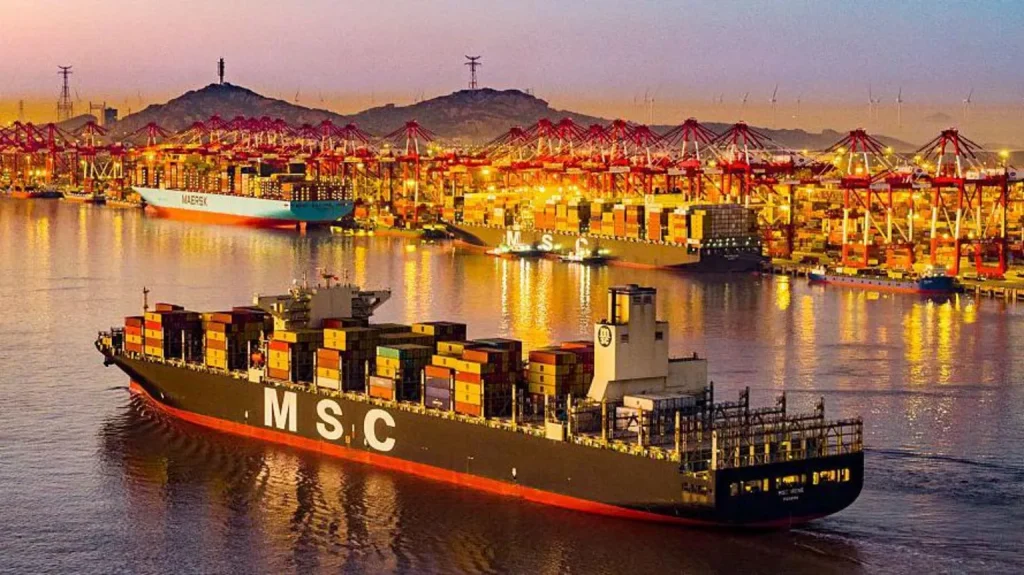
China continues to play a crucial role in global trade, and its relationship with the U.S. remains one of the most important economic dynamics of the current era. In 2026, China is expected to reach a $20 trillion economy, cementing its status as the world’s second-largest economy. However, the trade war with the U.S. continues to affect China’s global standing, particularly in sectors like technology, rare earth metals, and high-end manufacturing.
Despite these challenges, China’s economic growth remains strong, and its trade relations with Europe have continued to improve. However, the European Union (EU) is increasingly wary of China’s influence, especially as the continent becomes more reliant on cheap Chinese imports. The EU is likely to tighten regulations on Chinese goods in 2026, further complicating China’s trade relationships with Europe.
The ongoing trade talks and potential changes to tariff policies will be pivotal for China’s global economic future. While China continues to push for greater market access, particularly in the U.S., its economic position remains fragile due to ongoing tariff disruptions.
The Long-Term Impact of Tariff Disruptions
As we look toward 2026, it’s clear that tariff disruptions will continue to shape the global economy. While tariffs have brought certain benefits, particularly for U.S. manufacturing, their broader impact has been mixed. Increased costs, uncertainty, and inefficiencies have held back global economic growth, while trade tensions have made it harder for businesses to plan for the future.
The future of tariffs will largely depend on the actions of key global players, including the U.S., China, and the EU. As countries negotiate new trade deals and try to navigate the uncertainties created by tariffs, the global economy will continue to face challenges. However, it’s clear that the disruption caused by tariffs is far from over and will likely continue to influence global trade for the foreseeable future.