


Pumpkin leaves are among the most nutritious leafy vegetables enjoyed in many African and Asian households. They cook quickly, pair well with everyday meals, and develop a soft, earthy taste when prepared correctly. Rich in vitamins and minerals, these greens offer an affordable and healthy way to add variety to your diet.
Many people avoid pumpkin leaves because they can feel tough or fibrous. However, proper cleaning and gentle cooking completely change their texture. With the right steps, pumpkin leaves become tender, flavourful, and easy to enjoy. This guide explains each stage clearly so you can prepare them with confidence using simple ingredients.
Step-by-Step Method for How To Cook Pumpkin Leaves
Pumpkin leaves require careful preparation and gentle cooking to bring out their best flavour and soft texture. This method walks you through cleaning, boiling, and seasoning so you achieve tasty results every time.
Prepare and Clean Pumpkin Leaves
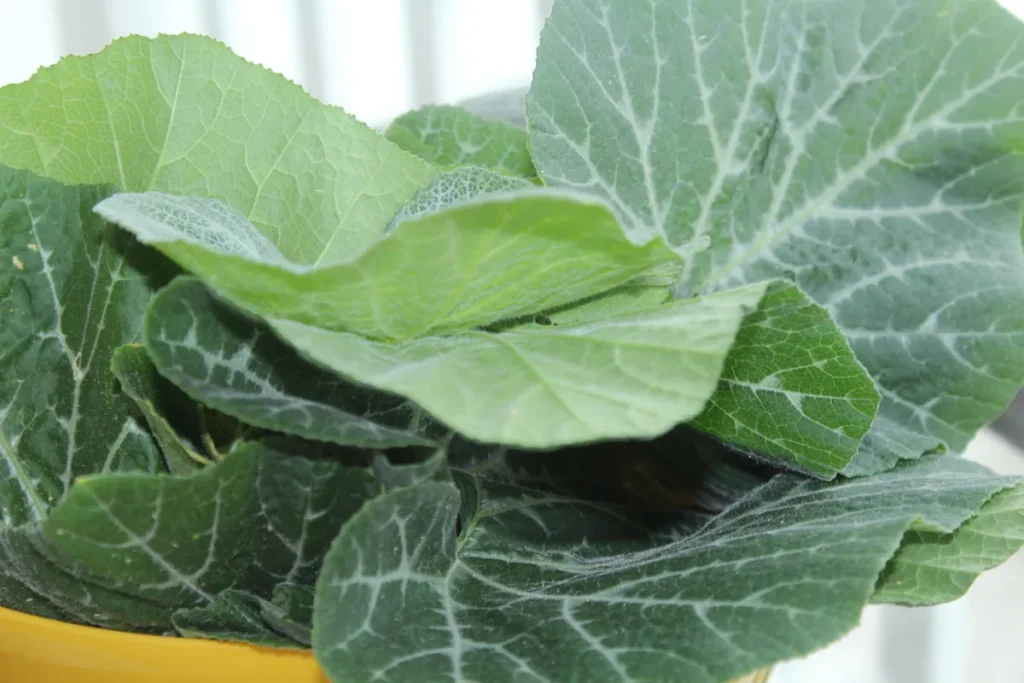
Begin by selecting fresh pumpkin leaves that look green, soft, and healthy. Avoid leaves that appear yellow, dry, or overly tough. Rinse them thoroughly under cold running water to remove soil, sand, or dust.
After washing, remove the fibrous strings. Snap the leaf stalk and gently pull the threads downward to strip them off. Repeat this process along the edges if the leaves feel tough. This step is important because the fibres can remain chewy even after cooking if not removed.
Once the fibres are gone, chop the leaves into medium-sized pieces. Set them aside and prepare for boiling. Proper cleaning creates the foundation for tender and enjoyable pumpkin leaves.
Boil Pumpkin Leaves
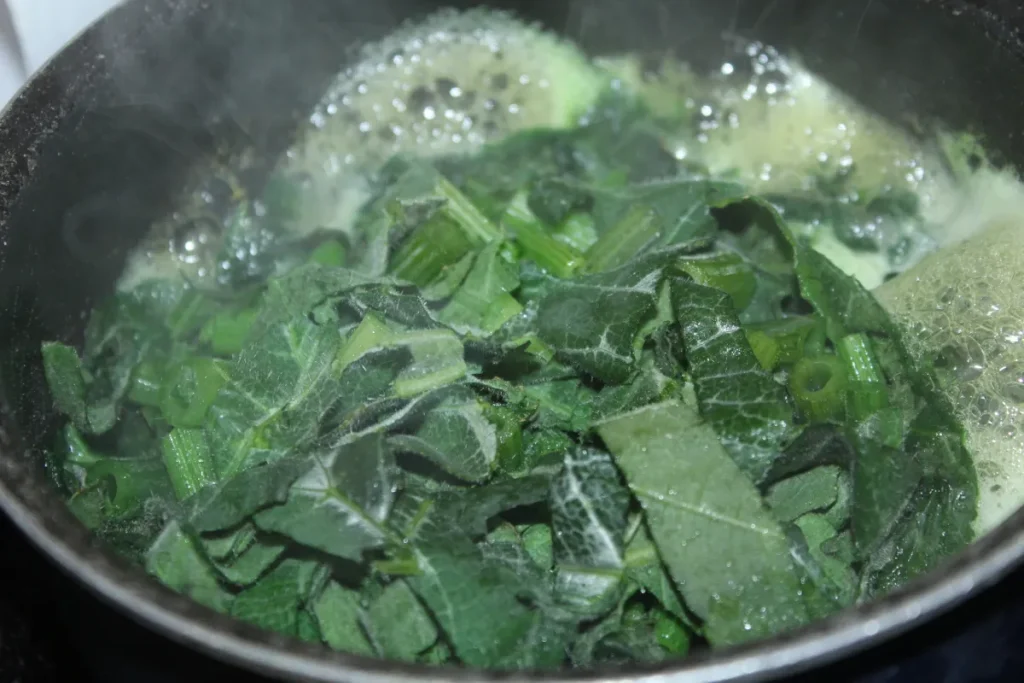
Place the chopped pumpkin leaves into a pot. Add a small amount of water, just enough to create steam. Pumpkin leaves release their own moisture during cooking, so avoid adding too much water.
Add a pinch of salt and place the pot on medium heat. Let the leaves simmer for about ten to twelve minutes. As they cook, they soften, shrink, and darken slightly in colour. If excess water remains after boiling, drain it before seasoning.
Boiling helps soften the leaves and reduces bitterness. It also prepares them for additional ingredients and flavours.
Cook Pumpkin Leaves with Onions and Tomatoes
Heat a small amount of cooking oil in a pan over medium heat. Add chopped onions and sauté until they turn soft and fragrant. Add chopped tomatoes and cook until they break down into a light sauce.
Season with salt, pepper, or a mild curry powder. Add the boiled pumpkin leaves and stir well so they absorb the flavours. Let everything cook together for a few minutes.
This method creates a rich, savoury dish. Pumpkin leaves cooked with onions and tomatoes pair well with rice, ugali, pap, or chapati. The sauce enhances the mild taste of the greens without overpowering them.
Cook Pumpkin Leaves with Peanut Butter
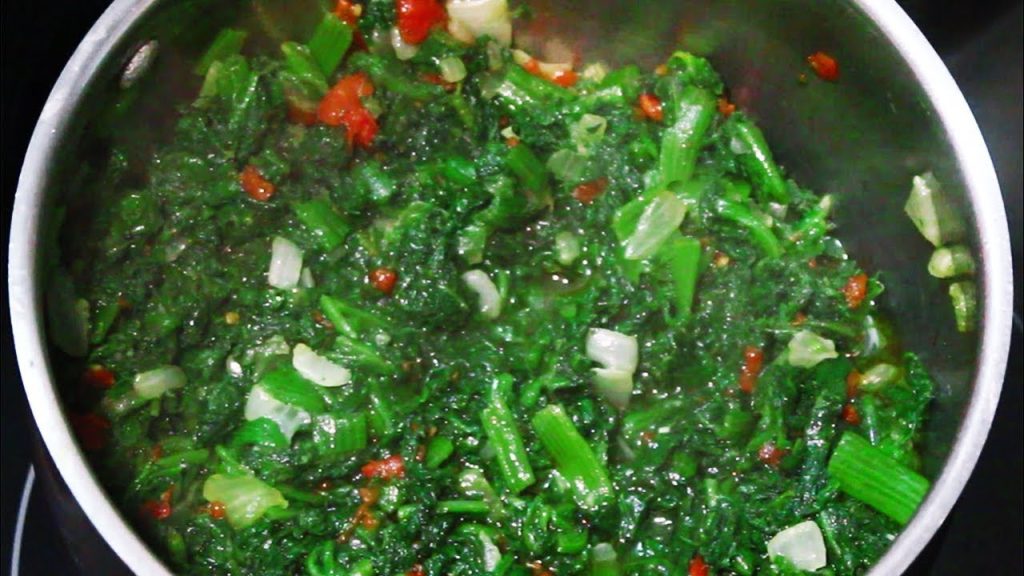
Another popular and traditional method uses peanut butter. After boiling the leaves, dissolve two to three tablespoons of peanut butter in warm water to form a smooth paste.
Add the paste to the pot with the cooked pumpkin leaves. Stir gently and allow the mixture to simmer. The peanut butter thickens into a creamy sauce that coats the leaves and adds a nutty flavour.
This version feels hearty and comforting. It pairs well with beans, maize meal, rice, or vegetable stews. Many households enjoy this method for its richness and satisfying taste.
Simple Table for Quick Reference
| Step | Action | Purpose |
|---|---|---|
| 1 | Clean and remove fibres | Softens texture and improves cooking |
| 2 | Boil the leaves | Helps them soften and reduce bitterness |
| 3 | Add seasoning or sauces | Improves flavour and variety |
| 4 | Serve with meals | Completes the dish |
Serve Pumpkin Leaves and Enjoy
Pumpkin leaves fit perfectly with stews, grilled meat, beans, maize meal, or rice. Their mild flavour and tender texture make them a reliable side dish for everyday meals.
They cook quickly, adapt well to different seasonings, and provide essential nutrients that support a balanced diet. Once you learn how to cook pumpkin leaves properly, you can prepare them in several delicious ways and enjoy fresh greens without stress.


