

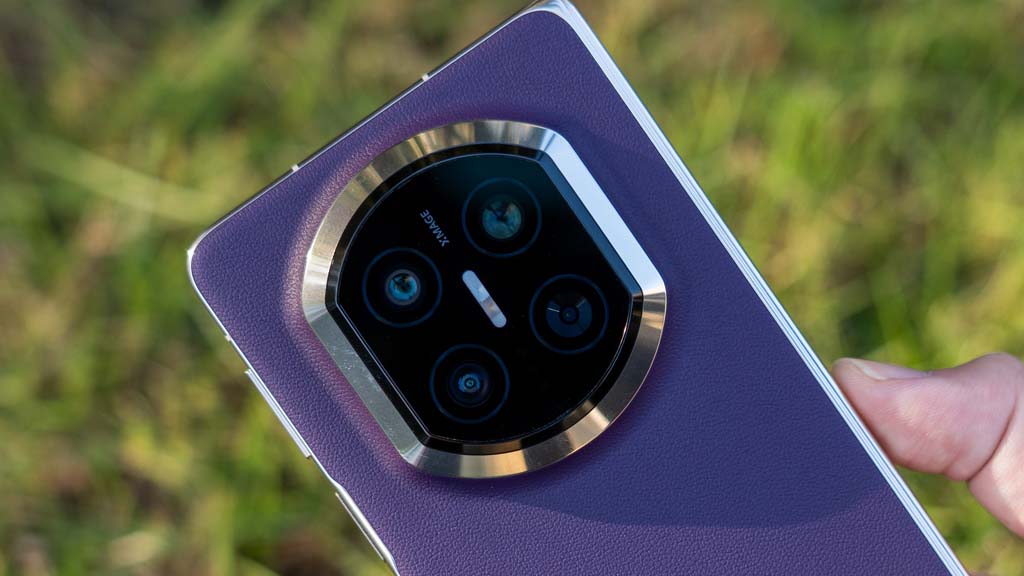
Huawei’s commanding position in China’s foldable smartphone market in 2025 marks more than a strong sales year—it reflects a structural shift in how premium smartphones are being designed, produced, and adopted in the world’s largest mobile market. With more than 60% market share, and estimates placing its control at 66.6%, Huawei has effectively reshaped the competitive landscape for foldable devices in China.
This dominance places Huawei far ahead of both domestic rivals and international competitors, reinforcing its role as the defining force in foldable smartphone innovation within the country.
The Rise of Foldables as a Mainstream Premium Category
Foldable smartphones in China have moved beyond niche experimentation. In 2025, they became a central part of the premium smartphone segment, appealing to consumers who want larger displays, multitasking capability, and distinctive hardware design without sacrificing portability.
Huawei capitalized on this transition earlier than most. While other brands treated foldables as secondary flagships, Huawei positioned them as core products, investing heavily in hinge engineering, display durability, battery optimization, and software adaptation.
This long-term approach allowed Huawei to scale faster as consumer confidence in foldables increased.
Huawei’s Product Ecosystem Advantage
A major driver of Huawei’s success lies in its broad and coherent foldable lineup. Devices such as the Huawei Mate X7, the experimental tri-fold Mate XTs, and the compact Pura X collectively cover multiple use cases—from productivity-focused users to style-conscious buyers.
Rather than competing solely on thinness or novelty, Huawei emphasized practical usability, including improved crease control, stronger hinges, and battery life suited for daily use. These refinements helped foldables feel less like luxury experiments and more like reliable primary phones.
HarmonyOS as a Competitive Differentiator
Huawei’s software strategy also played a central role. HarmonyOS has matured into a platform optimized for large and flexible displays, offering seamless multitasking, split-screen workflows, and continuity across devices.
In contrast to Android-based foldables that rely heavily on Google services and third-party optimization, Huawei benefits from tight vertical integration between hardware and software. This allows features to be designed specifically for foldable form factors rather than adapted after launch.
For many Chinese consumers, HarmonyOS has also become a symbol of technological independence and long-term ecosystem stability.
In-House Chipsets and Supply Chain Control
Another key factor is Huawei’s continued use of its own Kirin processors. Despite external pressures, Huawei has managed to deliver competitive performance and power efficiency tailored to foldable devices.
This level of control over core components gives Huawei greater flexibility in design decisions, thermal management, and system optimization—advantages that become especially important in complex foldable hardware.
How Rivals Compare in the Chinese Market
While Huawei dominated, other manufacturers maintained smaller footholds:
- Honor ranked second with just over 10% share, appealing to users seeking slimmer designs and more aggressive pricing.
- Samsung followed with under 7%, despite its global leadership in foldables. Its performance highlights how difficult it is for foreign brands to compete in China’s premium segment.
- Vivo, Xiaomi, and OPPO remained present but fragmented, each holding single-digit shares.
The data underscores a clear reality: China’s foldable market is being shaped primarily by Chinese companies, with Huawei setting the pace.
What This Means for the Global Smartphone Industry
Huawei’s foldable dominance has implications beyond China. It demonstrates that leadership in next-generation form factors no longer rests solely with traditional global giants. Instead, innovation leadership is becoming more regional, ecosystem-driven, and vertically integrated.
As foldables gradually influence conventional smartphone design—larger displays, new aspect ratios, and productivity-first features—Huawei’s design choices may increasingly shape broader industry trends.
Looking Ahead to 2026
Competition is expected to intensify in 2026. Chinese brands are likely to accelerate innovation, while global players reassess their strategies. The potential entry of Apple into the foldable segment could further raise the profile of foldables, but success in China will depend on localization, pricing, and ecosystem appeal.
For now, Huawei’s commanding market share reflects more than consumer preference—it signals a redefinition of premium smartphones in China, where foldables are no longer experimental, and Huawei is no longer chasing leadership, but defending it.


