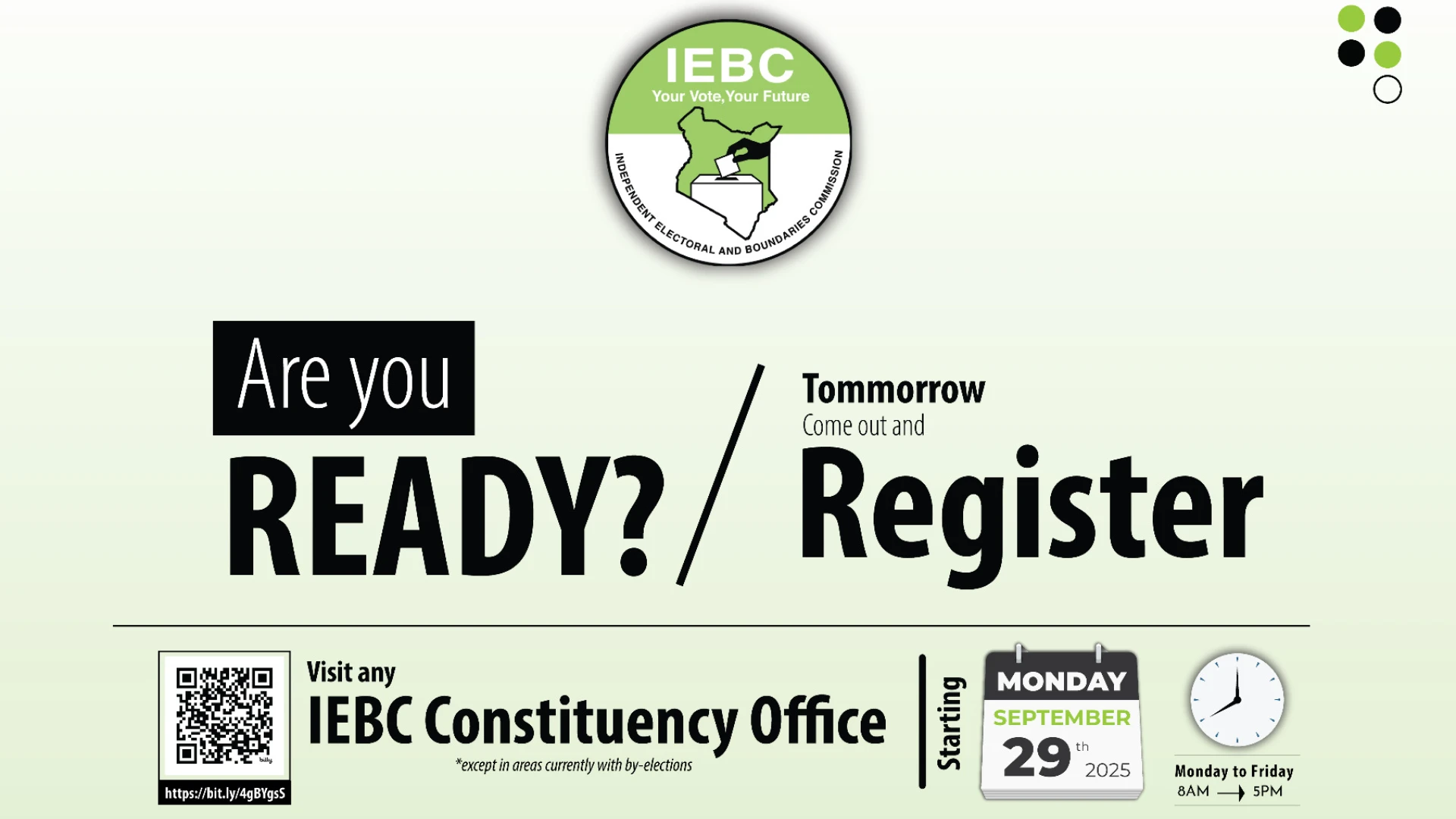
The Independent Electoral and Boundaries Commission (IEBC) has requested Ksh 61.7 billion for the 2027 General Election. This amount is nearly 50% higher than the Ksh 40.9 billion allocated for the 2022 elections. The proposal has sparked a fierce debate. Some believe the request is necessary to maintain election transparency and integrity, while others argue the budget is excessive, especially given Kenya’s economic challenges. This article will examine the key components of the budget, reactions from various stakeholders, and whether the costs are justified.
Breakdown of the IEBC’s Proposed Budget
The Ksh 61.7 billion request is spread across three major categories: pre-election activities, election-day operations, and post-election activities. Here’s a detailed look:
Pre-Election Activities (2025/2026): Ksh 15.3 Billion
This phase focuses on setting the foundation for the elections. Key expenses include:
- Voter Registration: Ksh 7 billion will go toward registering 5.7 million new voters.
- Boundary Delimitation: Ksh 7 billion is allocated for reviewing electoral boundaries, which is crucial given Kenya’s population growth.
- Voter Education: Ksh 4 billion will be used for educating voters about the election process.
Election-Day Operations (2026/2027): Ksh 25.4 Billion
The bulk of the budget will go toward election-day operations. This includes:
- KIEMS Kit Replacement: Ksh 7 billion will replace all 45,352 Kenya Integrated Election Management System (KIEMS) kits, ensuring accurate transmission of results.
- Polling Station Management: Ksh 6 billion will cover the operation of polling stations, including hiring election officials and providing necessary materials.
- Security and Logistics: Ksh 5 billion is allocated for security and logistics to ensure a peaceful election day.
Post-Election Activities (2027/2028): Ksh 21 Billion
Post-election activities are crucial for verifying results and resolving disputes. The funds will be used for:
- Results Verification: Ksh 8 billion will ensure the accuracy of election results.
- Electoral Dispute Resolution: Ksh 6 billion will address any petitions or complaints that arise.
- Final Audit and Reporting: Ksh 7 billion will go toward auditing the entire electoral process for transparency.
Public and Political Reactions
The proposed Ksh 61.7 billion budget has raised many questions. Let’s explore the reactions from different stakeholders:
Lawmakers’ Concerns
Some MPs question the need to replace all the KIEMS kits. They suggest that the older kits, which are still functional, could be reused, thus reducing costs. Other lawmakers have called for a detailed breakdown of the proposed budget to ensure that funds are allocated efficiently.
Public Opinion
Kenyan citizens have mixed feelings about the budget. Many understand the importance of a smooth and transparent election process. However, given the country’s financial constraints, others argue that such a large allocation could be better used in other sectors, like healthcare, education, and infrastructure.
Civil Society and Electoral Experts
Electoral experts and civil society organizations emphasize the need for transparency. They support the modernization of the electoral process but insist on detailed audits to ensure no funds are misused. They also urge the IEBC to provide clear explanations for each line item in the budget.
Comparing Kenya’s Election Budget with Other Countries
Kenya’s election costs are high, but they aren’t the highest in Africa. For comparison:
- South Africa’s 2019 Election: The country spent about Ksh 34.5 billion, a lower amount despite a similar electorate.
- Nigeria’s 2023 Election: Nigeria’s election budget was significantly higher, around Ksh 149 billion, reflecting the complexities of organizing elections in a much larger country.
Kenya’s election costs are on the higher end, but they align with those of other countries investing in electoral technology and integrity.
Challenges in Justifying the Proposed Budget
While modernizing elections is important, the IEBC faces challenges in justifying its Ksh 61.7 billion request. These challenges include:
Economic Constraints
Kenya’s national debt is growing, limiting the government’s ability to fund large election budgets. Critics argue that while ensuring free and fair elections is essential, other sectors like healthcare and education may need equal attention.
Possible Over-Inflation of Costs
Some question why all KIEMS kits must be replaced when many of the existing kits are still functional. This is a significant cost, and critics argue that reusing older equipment could help reduce the budget.
Lack of Transparency
For taxpayers to trust that the funds will be spent efficiently, the IEBC must provide a detailed breakdown of each budget item. Without this transparency, the public may continue to doubt the necessity of such a large budget.
Conclusion: Is the Ksh 61.7 Billion Budget Justified?
The IEBC’s Ksh 61.7 billion budget request is substantial, but it reflects the complexities of organizing a transparent, efficient, and secure election. While the need for modern technology and voter registration is clear, public concerns about the justification for the budget are valid. The IEBC must provide a thorough explanation of each cost and engage in transparent discussions with stakeholders to ensure that the funds are used appropriately. If managed effectively, the 2027 General Election can enhance Kenya’s democratic process. However, without proper oversight and accountability, doubts will persist about whether the budget is justified.