
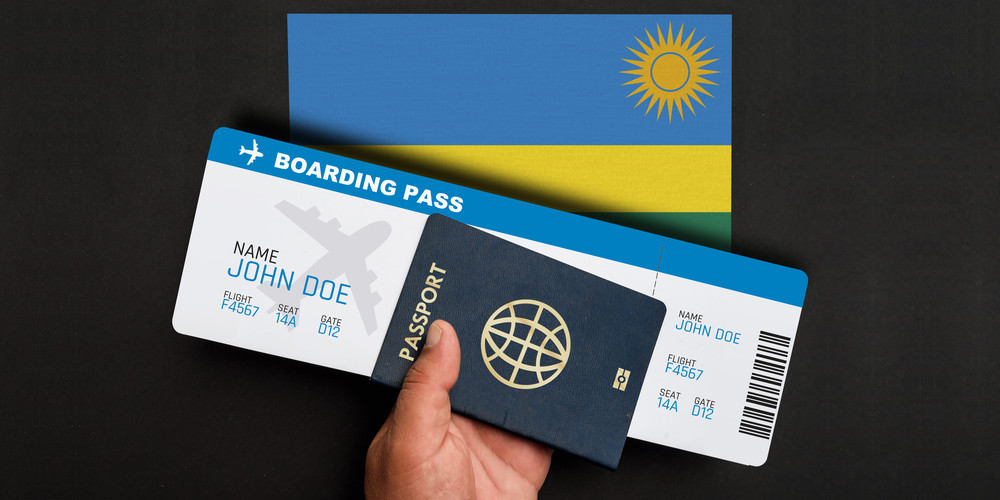
The US Visa Restrictions Rwanda decision marks a new diplomatic step by Washington to address rising instability in eastern Democratic Republic of Congo. On Friday, U.S. Secretary of State Marco Rubio announced visa restrictions targeting several senior Rwandan officials accused of contributing to conflict in the region.
According to the State Department, the US Visa Restrictions Rwanda policy aims to hold individuals accountable for actions that undermine peace and security in eastern Congo. The decision reflects growing international concern about continued violence in the mineral-rich region, which has faced decades of armed conflict.
Rubio explained that the United States will deny entry visas to certain Rwandan officials believed to play a role in destabilizing the eastern part of the Democratic Republic of Congo. As a result, the measure serves as a diplomatic tool designed to pressure leaders accused of supporting activities that worsen regional tensions.
Eastern Congo remains one of the most volatile regions in Africa. Armed groups operate across North Kivu and surrounding provinces, often clashing with government forces and local militias. Consequently, millions of civilians face displacement, insecurity, and humanitarian crises.
The US Visa Restrictions Rwanda announcement signals Washington’s concern that external actors may be fueling the violence. U.S. officials believe that political and military involvement from neighboring countries contributes to instability in the region.
For years, tensions between Rwanda and the Democratic Republic of Congo have strained relations in Central Africa. Kinshasa frequently accuses Kigali of supporting rebel groups operating inside Congolese territory. Rwanda, however, has repeatedly denied those allegations.
Nevertheless, international observers continue to warn that the conflict carries significant regional implications. Therefore, the US Visa Restrictions Rwanda measure represents an effort to deter actions that could escalate the crisis further.
Diplomatic pressure has become a common strategy for addressing instability in the Great Lakes region. Travel bans and visa restrictions allow governments to signal disapproval without imposing broader economic sanctions. In addition, these targeted actions often focus on individuals rather than entire nations.
Washington has used similar measures in other conflicts to encourage political dialogue and de-escalation. In this case, the US Visa Restrictions Rwanda decision underscores the United States’ commitment to supporting stability in Central Africa.
The humanitarian situation in eastern Congo remains extremely serious. Armed confrontations, ethnic tensions, and competition over natural resources continue to drive violence. Meanwhile, humanitarian organizations report large numbers of displaced families living in fragile conditions.
Because of this ongoing crisis, the international community continues to call for diplomatic solutions. Regional organizations and foreign governments regularly encourage negotiations between Rwanda and the Democratic Republic of Congo.
The US Visa Restrictions Rwanda policy also highlights Washington’s broader approach to foreign policy in Africa. U.S. officials increasingly rely on targeted sanctions and diplomatic tools to address security challenges without escalating conflicts.
Furthermore, policymakers argue that accountability measures can encourage responsible leadership and discourage destabilizing activities. By restricting travel privileges, governments attempt to influence political behavior among senior officials.
At the same time, analysts warn that lasting peace in eastern Congo will require more than diplomatic pressure alone. The conflict involves complex political, economic, and ethnic dynamics that have developed over several decades.
Regional cooperation remains essential for long-term stability. Neighboring countries must work together to reduce cross-border tensions and prevent armed groups from exploiting regional divisions. Additionally, stronger governance within Congo itself will play a critical role in restoring security.
Still, the US Visa Restrictions Rwanda decision sends a clear message that Washington intends to respond to actions that threaten stability in the region. By targeting specific officials, the United States hopes to discourage further escalation and support international peace efforts.
Ultimately, the situation in eastern Congo remains fragile. However, diplomatic initiatives like the US Visa Restrictions Rwanda announcement demonstrate continued global attention to the crisis. As regional leaders face growing pressure, many observers hope that renewed diplomatic engagement could help reduce tensions and move the region toward greater stability.


