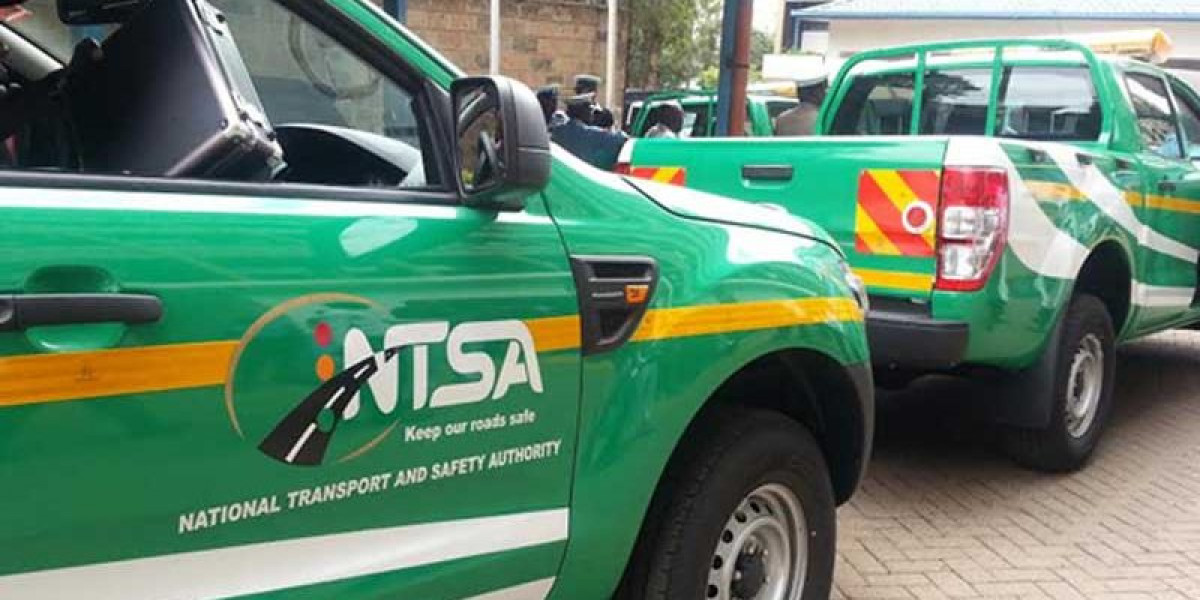
NTSA Number Plate Shortage Returns
Kenya is once again dealing with an NTSA number plate shortage, and the situation is disrupting vehicle registration across the country. Dealers say they cannot access several key plate series, including KDV-W, KDV-X, KDV-Y, and KDV-Z. These shortages have slowed registration processes and created delays that affect both buyers and importers. Cars continue to arrive at the port, but their release depends on full registration. Many buyers cannot complete their purchases, and this new disruption comes at a time when the sector expected recovery after a quiet sales period.
Dealers Warn of Slowed Sales and Delivery Delays
Dealers across major cities say the shortage is directly hurting their sales. Customers who already paid for their vehicles cannot drive them without plates, so most purchases remain incomplete. Some buyers are now reconsidering their purchase timelines because the delays stretch longer than expected. The hold-up has reduced dealership turnover, and many businesses cannot meet monthly sales targets. Dealers also face higher operational expenses because parked units occupy yard space and require security. This slowdown is frustrating customers who want immediate delivery, and it places pressure on dealerships that rely on daily turnover to stay afloat.
Mombasa Port Experiencing Vehicle Pile-Up
The shortage is now affecting the Mombasa port, where imported cars continue to pile up in designated holding areas. Every day, new units arrive, yet many cannot leave because importers cannot complete registration. Cars that stay longer at the port attract demurrage charges, and these extra costs affect buyers, importers, and dealers. If the pile-up continues, port movement could slow down further, causing congestion that affects other cargo. Players in the motor industry fear this situation might interrupt the flow of upcoming shipments, making the backlog even harder to manage. The port relies on quick clearance, so any delay creates a chain reaction that affects the entire logistics ecosystem.
Dealers Turning to Temporary Plates
To avoid complete paralysis, some dealers have turned to temporary KD plates. These plates help buyers move their cars while they wait for permanent plates to arrive. Temporary plates have strict limitations, and most customers know they are a short-term option rather than a full solution. For example, buyers cannot use them for cross-border travel, and insurance firms often process temporary plates under special conditions. Corporate clients and logistics companies struggle with temporary plates because they need permanent identification for fleet management, compliance, and asset-tracking systems. Dealers appreciate the temporary relief, but they also want a faster return to normal registration.
What Is Causing the Shortage?
NTSA has not provided a detailed public explanation, but industry insiders say production delays may be the main cause. Number plates with enhanced security features require specific materials and specialized equipment. Any disruption in acquiring these materials slows production. The manufacturing process also includes several checks to confirm quality and security standards. When any step slows down, the shortage becomes unavoidable. Suppliers, procurement procedures, and production timelines must align perfectly to keep the system efficient. A small disruption can create a nationwide backlog, as the current situation shows.
Impact on Car Financing and Insurance
The shortage is now affecting car financing and insurance transactions. Banks that support asset financing require full registration before releasing vehicles to clients. Without plates, lenders cannot complete financing agreements. Insurance firms face similar challenges since they need verified registration details for comprehensive cover. Many buyers cannot move their cars even after paying deposits because they cannot finalize their paperwork. The slowdown is therefore affecting the entire value chain — from financing institutions and insurers to buyers and motor dealers. Each delay increases costs and widens the backlog of pending transactions.
Dealers Call for Urgent NTSA Intervention
Dealers are urging NTSA to address the shortage quickly. They want the agency to increase production speed and improve procurement planning. Many dealers also want NTSA to communicate more openly about expected timelines so the industry can plan. The automotive sector contributes significant revenue to the government through duties and registration fees, so predictable number plate supply is essential for economic stability. Without adequate plates, sales fall, and the government loses revenue. Dealers insist that restoring normal operations is the only way to stabilize the sector and protect future growth.
A Broader Pattern of Recurring Shortages
This shortage is part of a recurring pattern in Kenya’s number plate supply system. Similar disruptions have affected the country in previous years. Industry experts argue that the system needs modernization and better scaling capacity. Kenya’s vehicle imports continue to rise, so the supply of number plates must match that growth. Some experts believe the country should introduce new production lines to reduce pressure on the current system. A more resilient supply chain would prevent repeated crises and support the automotive sector’s long-term growth.
Outlook for Buyers and Dealers
Buyers should expect delays in receiving permanent plates for vehicles in the affected KDV series. Dealers recommend patience as NTSA works on resolving the backlog. Temporary plates will continue to support movement, but they are not ideal for long-term use. The speed of recovery will depend on NTSA’s ability to scale production and address procurement issues. A stable number plate supply is essential for the entire automotive value chain. Once the issue is resolved, dealers expect sales to pick up again and port clearance to return to normal activity.