

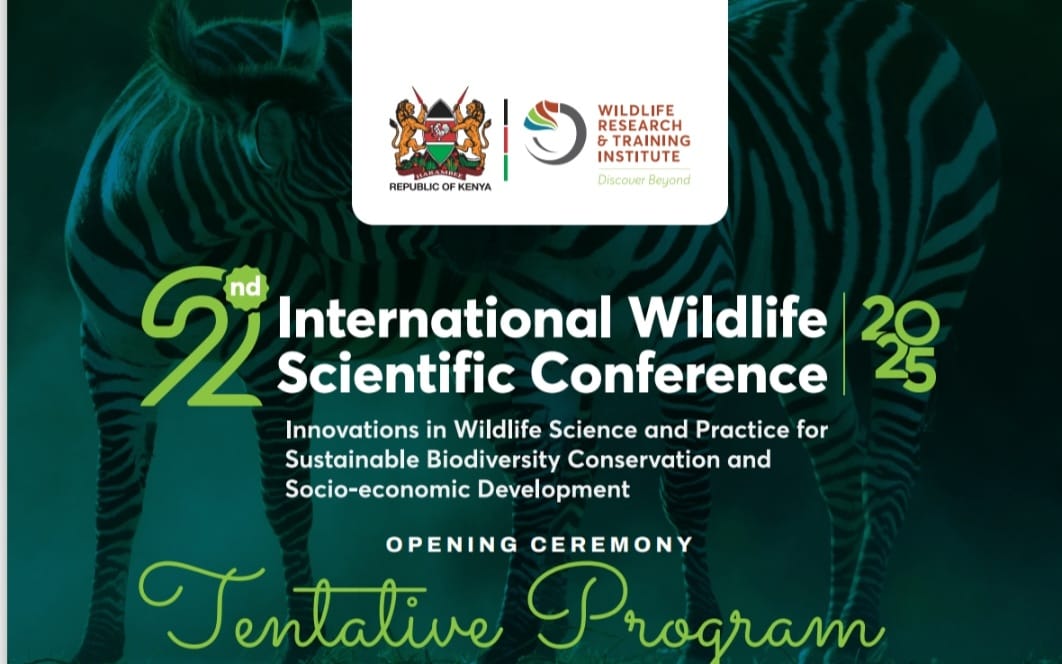
Kenya Hosts International Wildlife Conservation Conference
Kenya is once again in the global spotlight as it hosts the International Wildlife Conservation Conference, a milestone event bringing together conservation scientists, policymakers, and community leaders. The gathering underscores the urgent need to protect biodiversity, strengthen conservation strategies, and tackle climate challenges that threaten wildlife across the globe.
Delegates attending the International Wildlife Conservation Conference in Kenya
The International Wildlife Conservation Conference reinforces Kenya’s reputation as a pioneer in conservation. From the Maasai Mara to Amboseli, Kenya has safeguarded elephants, rhinos, lions, and countless other species. Hosting this event highlights Kenya’s vital role as a hub for global conservation policy and scientific innovation.
African elephants grazing in Maasai Mara National Reserve Kenya
Science and Innovation in Conservation
This year’s conference has placed a strong focus on technology and research. Scientists are showcasing AI-powered monitoring systems, drones for anti-poaching patrols, and satellite imaging to track ecosystems. These tools are revolutionizing conservation and offering new ways to protect wildlife in real time.
Drone used in Kenya’s savannah for wildlife monitoring and conservation
Community Participation and Funding
Local communities are at the heart of conservation. Indigenous leaders and youth groups are actively engaged, ensuring that eco-tourism and conservation projects directly benefit grassroots populations. This approach makes conservation sustainable while empowering people living closest to protected areas.
Community leaders participating in wildlife conservation project in northern Kenya
Funding remains a central issue. Kenya is leveraging the International Wildlife Conservation Conference to attract global investments for reforestation, wildlife corridors, and eco-tourism development.
Climate Change and Future Action
Experts at the event are warning of the escalating impact of climate change on Africa’s ecosystems. Irregular rainfall, droughts, and rising temperatures are destabilizing habitats. Solutions discussed include reforestation drives, habitat restoration, and cross-border wildlife corridors.
By hosting the International Wildlife Conservation Conference, Kenya is not only shaping the global conservation agenda but also proving that wildlife protection is a shared mission. The conference unites science, policy, and community action to secure a sustainable future for generations to come.