Mango farming in Kenya is a smart and rewarding agribusiness venture, offering both local and international market opportunities. Mangoes are one of the most consumed fruits in Kenya, and their demand continues to grow, making them a great choice for farmers looking to invest in high-value crops. With the right care and conditions, mango trees can yield hundreds of fruits per season, providing excellent returns.
This guide covers everything you need to know about mango farming in Kenya, from planting and managing your trees to harvesting and selling your fruits locally and abroad.
Mango Farming in Kenya for Beginners and Commercial Growers
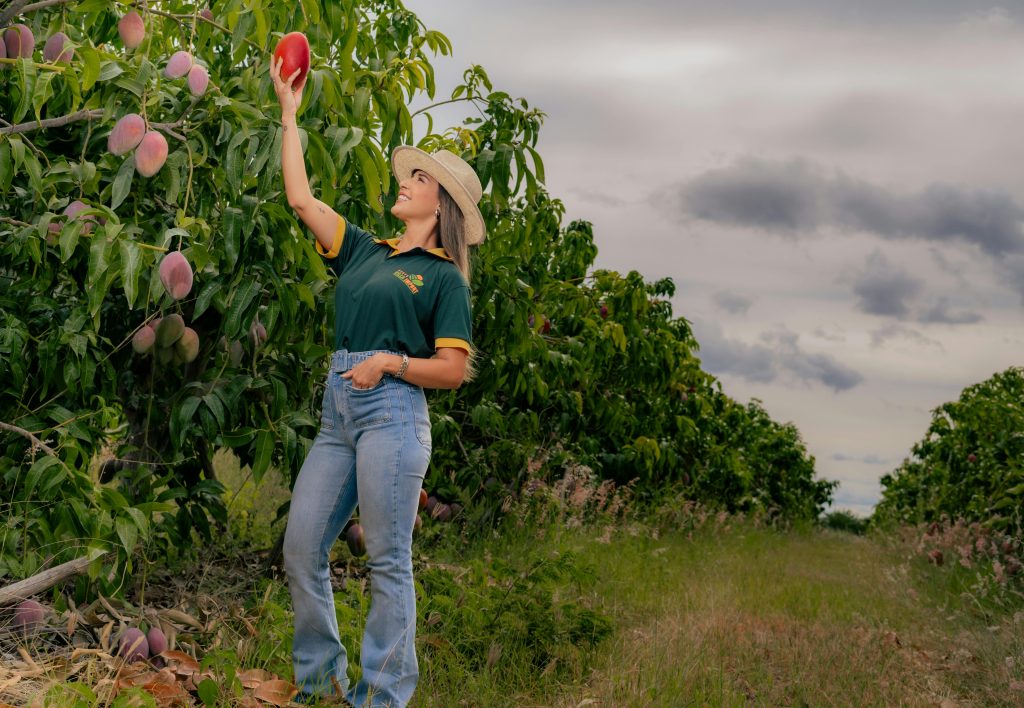
Mangoes grow well in several regions of Kenya, with the highest production coming from the eastern and coastal regions. These areas provide the perfect climate for mango farming, offering plenty of sunshine, moderate rainfall, and fertile soils.
Best Mango Growing Areas in Kenya
The best counties for mango farming in Kenya include:
- Makueni
- Machakos
- Kitui
- Taita Taveta
- Embu
- Kajiado
- Mwea
- Baringo
- Thika
- Murang’a
These areas are ideal for mango cultivation due to their favorable climatic conditions and well-drained soils, which are essential for high mango yields.
Common Mango Varieties Grown in Kenya
Kenyan farmers grow both local and exotic mango varieties, with each offering distinct characteristics. The most popular mango varieties in Kenya include:
- Apple: Sweet and firm with a long shelf life.
- Tommy Atkins: Large, juicy, and fiber-rich, making it ideal for export.
- Kent: Soft flesh with less fiber, widely appreciated for its taste and texture.
- Ngowe: Known for its long shape and sweet taste.
- Dodo, Boribo, Batawi: Common local varieties with a strong, unique flavor.
The choice of variety depends on factors such as climate, market demand, and whether you intend to sell locally or for export.
Ecological Conditions Needed
Mangoes thrive under the following conditions:
- Rainfall: Between 850mm and 1000mm annually.
- Temperature: Mangoes grow best in temperatures between 15°C and 30°C.
- Soil: Mango trees prefer deep, well-drained soils with a pH of 5.5 to 7.5.
- Sunlight: Mango trees require at least 8 hours of daily sunlight.
Before planting, it’s advisable to test your soil to ensure it’s suitable for mango cultivation. You can also add compost or organic manure to improve fertility.
How to Plant and Manage Mango Trees
Mango farming in Kenya is simple if the right care and management practices are followed. Here’s how to plant and manage mango trees for high yields.
Land Preparation and Planting
- Land Clearing: Start by ploughing the land deeply and removing all weeds. This helps reduce competition for nutrients and water.
- Level the Ground: After ploughing, level the soil slightly to avoid water stagnation. A mild slope helps excess rainwater drain away.
- Planting Space: Space the trees about 5 meters by 5 meters apart to give them room to spread and receive ample sunlight.
- Propagation:
- For local varieties, you can propagate using seeds directly from the fruit.
- For exotic varieties, grafting is recommended. Graft a healthy scion (top part of the tree) onto a strong local rootstock.
- Planting Time: Plant your mango trees at the onset of rains to ensure there is enough moisture in the soil. Water the seedlings after planting, and apply mulch to retain moisture and control weeds.
Grafted mango trees typically start producing fruit after 2–4 years. On average, each tree can yield 200 to 500 fruits per season once mature.
Pruning and Tree Management
Regular pruning is essential to improve airflow, boost fruit quality, and reduce pest and disease risks. After each harvest:
- Remove dead branches and weak shoots.
- Cut away parts of the tree that block sunlight from reaching the inner branches.
- Shape the tree by pruning to help it grow healthy and strong.
Fertilizer Application and Tree Care
- Fertilizer: Apply phosphorus-rich fertilizers during the early stages to promote strong root development.
- Manure: Use well-decomposed manure during the flowering season to enhance fruiting and improve soil health.
- Watering: Ensure the trees receive adequate water, especially during dry periods. Drip irrigation can help manage water efficiently.
Protecting and Selling Your Mangoes
Mango farming is relatively low-maintenance, but pest and disease management is crucial for optimal yields.
Common Mango Pests and Diseases
Pests:
- Mango seed weevil
- Fruit flies
- Red spider mites
- Thrips
- Mealybugs
Diseases:
- Anthracnose: Causes black spots on leaves and fruits.
- Powdery mildew: Appears as white powder on leaves and flowers.
- Die-back: Leads to drying of branches from tip to base.
Managing Pests and Diseases
- Pest Control: Use insecticides and pesticides like Emerald, Loyalty, Lexus, and Alonze. Always follow safety instructions and avoid spraying near harvest time to protect consumers.
- Disease Control: Apply fungicides like Trinity Gold, Ransom, and Green Cop. Ensure proper spacing and avoid overwatering to reduce the spread of diseases.
- Pruning: Regular pruning also helps prevent the spread of diseases.
Where and How to Sell Your Mangoes
Mangoes have a strong market in Kenya. You can sell them in:
- Open-air markets
- Supermarkets
- Roadside fruit stalls
- Hotels and restaurants
- Groceries and food stores
Mango farming also offers access to the export market. You can partner with licensed produce exporters to supply mangoes to Europe, the Middle East, and other regions. Exporters typically require mangoes that meet strict quality and handling standards, including uniform size, clean skin, and proper packaging.
Local Price: One kilo of mangoes can sell for Ksh 20 to Ksh 50, depending on the variety, quality, and season. Mangoes harvested during the off-season tend to fetch higher prices due to increased demand and limited supply.
Mango farming in Kenya is a highly profitable venture with the potential to provide steady income year after year. Whether you’re starting as a smallholder or looking to run a large-scale commercial operation, mangoes offer excellent returns with relatively low maintenance once trees are established. With the right variety, proper care, and access to markets, mango farming can be a full-time source of income.
By selecting the right mango variety, ensuring optimal growing conditions, and tapping into both local and export markets, you can maximize your profits and enjoy the benefits of mango farming in Kenya.