The foreign exchange market—better known as forex—is often described as the heartbeat of the global economy. Every second, currencies rise and fall in value, and traders around the world seize opportunities to profit from those moves. For beginners, stepping into this world can feel overwhelming, but the truth is that learning forex basics can be simple if approached step by step. Whether you’re curious about building a side income or dreaming of professional trading, mastering the essentials is your gateway to progress. This guide takes you on a journey from absolute beginner to confident pro, breaking down everything you need to know in a broad and easy-to-follow way.
Stage 1: Beginner – Building the Foundation
Understanding Forex
At its core, forex is about exchanging one currency for another. Trades happen in pairs, such as EUR/USD or GBP/JPY. If you buy, you’re betting the first currency will rise against the second; if you sell, you expect the opposite.
Key Terms to Know
- Pip: The smallest price movement in a pair.
- Lot: The size of your trade (standard, mini, or micro).
- Spread: The broker’s fee, built into the difference between buy and sell prices.
- Leverage: Borrowed money that magnifies gains and losses.
- Margin: The portion of your account balance held as collateral.
- Stop-loss: Your safety net to cut losses automatically.
- Take-profit: Your target level where the system locks in profits.
Tools You’ll Need
- A regulated broker you trust.
- A demo account to practice without risk.
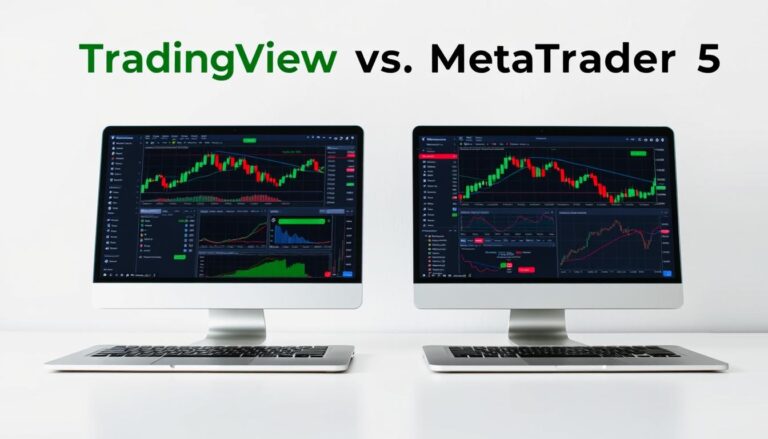
- Basic charting software like MetaTrader or TradingView.
- An economic calendar to watch global events that move currencies.
At this stage, your main mission is familiarization—understanding what moves currencies and learning how to place simple trades.
Stage 2: Intermediate – Developing Skills
Chart Reading and Technical Analysis
Now that you know the basics, it’s time to read charts like a trader. Learn how candlesticks tell stories about buyers and sellers. Study indicators such as Moving Averages for trends, RSI for momentum, and MACD for shifts in market direction.
Fundamentals of the Economy
Currencies don’t move in isolation. Interest rates, inflation, employment data, and even geopolitical events shape the market. For example, when a central bank raises interest rates, its currency often strengthens. As an intermediate trader, you’ll begin blending technical analysis with these fundamental triggers.
Risk Management
This is where many traders fail. Remember, trading isn’t about winning every trade—it’s about protecting your capital. Use these principles:
- Never risk more than 1–2% of your account on a single trade.
- Always set a stop-loss.
- Avoid over-leveraging; it’s tempting but dangerous.
Building a Trading Plan
At this level, you need consistency. Write down your plan: what pairs you trade, when you trade, your entry/exit rules, and how you manage risk. Your plan becomes your compass in the chaotic market.
Stage 3: Pro – Thinking Like a Trader
Advanced Technical Strategies
As you grow, you’ll explore deeper tools: Fibonacci retracements for measuring pullbacks, multiple time-frame analysis to see the bigger picture, and chart patterns like triangles, flags, or head-and-shoulders. These techniques help refine entries and exits.
Trading Psychology
One of the biggest forex basics that separates pros from beginners isn’t found on a chart—it’s mindset. Pros know how to control greed when winning and fear when losing. They follow their plan with discipline, no matter the emotions of the moment.
Money Management and Scaling
Professionals treat trading like a business. They calculate position sizes precisely, diversify across pairs, and scale trades up or down depending on performance. Instead of chasing one big win, they build steady results over hundreds of trades.
Continuous Learning
Markets evolve. Pro traders never stop studying. They review journals, refine strategies, and keep up with new developments. Mastery is about adaptation and growth, not perfection.