The idea of trading fascinates millions of people. It promises freedom, flexibility, and the possibility of financial independence. Yet for beginners, stepping into the world of markets can feel like walking into a maze. Complex charts, fast-moving numbers, and strange terminology often discourage newcomers before they even begin. The truth is that trading can be learned by anyone, provided it is approached step by step. With a clear understanding of the basics, realistic expectations, and the discipline to practice, beginners can transform confusion into confidence. This guide offers trading for beginners explained in a broad and attractive way, giving you the building blocks to start your journey.
What is Trading?
At its core, trading is the art of buying and selling financial instruments to profit from changes in price. These instruments include:
- Forex (Foreign Exchange): The most liquid market in the world where currencies are traded in pairs like EUR/USD.
- Stocks: Shares of companies traded on exchanges such as the NYSE or NASDAQ.
- Commodities: Tangible goods like gold, oil, silver, or agricultural products.
- Cryptocurrencies: Digital assets like Bitcoin, Ethereum, or Solana.
Unlike investing, which often focuses on long-term wealth building, trading seeks to capture shorter-term opportunities. Traders may hold positions for minutes, hours, or weeks depending on their style.
Key Concepts Every Beginner Must Master
Before risking real money, beginners must understand the building blocks:
- Bid and Ask: The buying and selling prices in the market.
- Pip or Tick: The smallest unit of price movement.
- Leverage: Borrowed capital that amplifies both gains and losses.
- Margin: The collateral required to open a leveraged position.
- Stop-loss Order: An automatic exit to prevent large losses.
- Take-profit Order: An automatic closure to lock in gains.
- Liquidity: How easily an asset can be bought or sold.
Grasping these concepts ensures you can read a trading platform, follow analysis, and execute trades correctly.
Step 1: Education First
The first step in trading for beginners is building knowledge. Markets reward the prepared and punish the careless. Read beginner-friendly books, watch tutorials, and follow trusted educational platforms. Knowledge builds the foundation that keeps you grounded when emotions run high.
Step 2: Pick Your Market
Beginners often try to trade everything at once, but focus is key. If you prefer global news and economics, forex might suit you. If you’re fascinated by company growth and stock performance, equities could be your space. High-risk takers may lean toward crypto. Choosing one market sharpens your skills faster.
Step 3: Choose a Broker and Platform
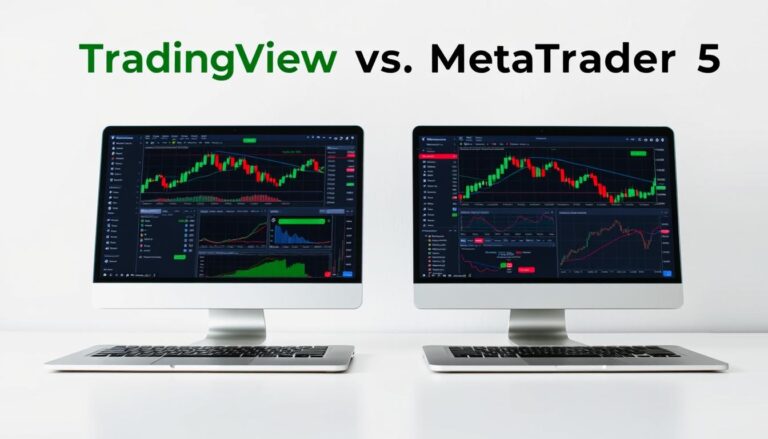
A broker connects you to the market. Select one that is regulated, transparent in fees, and offers reliable platforms like MetaTrader, TradingView, or proprietary software. Look for brokers that provide demo accounts so you can practice in real conditions without risking cash.
Step 4: Practice on a Demo Account
Think of a demo account as your training field. Here, you can test strategies, learn order types, and understand how the market behaves—without financial risk. It’s a vital step before moving into live trading.
Step 5: Build a Trading Strategy
Random trading is gambling. A strategy provides structure. It could be as simple as:
- Identify the trend using moving averages.
- Enter trades only in the trend’s direction.
- Use candlestick patterns for confirmation.
- Always set stop-loss and take-profit levels.
Over time, refine your strategy with data and journaling.
Step 6: Risk Management is Everything
The secret that separates winners from losers is risk control. Protecting your capital is more important than chasing profits. Rules to remember:
- Risk only 1–2% of your capital per trade.
- Always use stop-losses.
- Accept that losing trades are part of the process.
With strong risk management, you can survive long enough to thrive.
Step 7: Master Your Emotions
Trading is as much psychological as it is technical. Fear makes traders exit too early, while greed pushes them to overtrade. Discipline, patience, and emotional balance are critical. Keep a journal to track not only trades but also your mindset.
Step 8: Continuous Learning
Markets evolve, and successful traders evolve with them. Study technical analysis, follow economic news, and learn from both wins and losses. Stay curious and never stop improving.
Common Beginner Mistakes
- Overtrading: Entering too many trades without valid reasons.
- Ignoring Risk: Trading without stop-losses or risking too much.
- Chasing Quick Riches: Expecting to double accounts overnight.
- Strategy Hopping: Switching approaches too fast without testing them properly.
Avoiding these mistakes speeds up your growth and saves money.