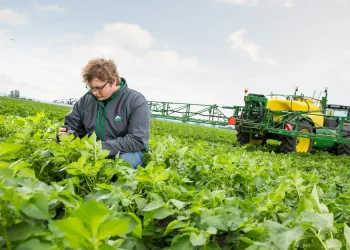
Green grams, locally known as Ndengu, are quickly becoming one of the most profitable crops for Kenyan farmers. These legumes are not only nutritious but also highly adaptable, making them ideal for both small-scale and large-scale farming. With minimal rainfall requirements, a short growing period, and increasing market demand, Ndengu farming is a smart and sustainable choice for farmers looking to boost their income.
This comprehensive guide explores how to start Ndengu farming in Kenya, the best varieties to grow, optimal soil and weather conditions, and tips for maximizing your yields. Whether you’re a beginner or an experienced farmer, you’ll find all the essential information you need to succeed in growing green grams.
Why Ndengu Farming in Kenya Is Worth It
Green grams are a leguminous crop known for their high protein content and rapid growth. These beans are particularly suited for dry regions such as Machakos, Kitui, Meru, Embu, Tharaka Nithi, and Makueni, where other crops may struggle due to limited rainfall.
One of the main advantages of Ndengu farming is its relatively short growing period. With proper care and good timing, you can harvest your crop within 60 to 90 days, making it a quick and rewarding venture. The crop’s resilience to drought and its ability to grow in semi-arid areas make it an excellent option for smallholder farmers in regions with unpredictable rainfall patterns.
Best Green Gram Varieties to Grow
Choosing the right variety of Ndengu is crucial to achieving high yields and ensuring resistance to pests and diseases. Here are the top-performing varieties in Kenya:
- KS20: This variety is early maturing and resistant to several common diseases, making it a reliable option for farmers seeking quick returns.
- N26: Known for its high yield and drought resistance, this variety is well-suited for dry conditions.
- N22: This variety grows well in many areas, matures quickly, and offers good market potential.
- Biashara: A commercial variety that produces many pods, ideal for farmers targeting high production and profitability.
- Ndengu Tosha: This variety is great for intercropping and has a strong market demand, making it a favorite for farmers looking to diversify their crops.
To ensure quality and high yields, always purchase certified seeds from reputable agro-vet suppliers.
Soil and Weather Conditions That Suit Ndengu
Ndengu grows best in semi-arid regions with specific soil and weather conditions. Here are the essential requirements for optimal growth:
- Soil Type: Well-drained loam or sandy soils are ideal. Avoid waterlogged soils, as they can damage the roots and hinder growth.
- pH Levels: The soil pH should be between 6.0 and 7.5 for optimal growth.
- Temperature: Ndengu thrives in temperatures ranging from 28°C to 30°C. Consistent warmth promotes rapid growth.
- Altitude: Ndengu grows well at altitudes between 0 and 1600 meters above sea level.
- Rainfall: An annual rainfall of 350mm to 650mm is ideal. However, Ndengu is drought-resistant and can tolerate periods of low rainfall.
Proper soil drainage is essential, as waterlogged areas can lead to root rot and other diseases that can affect the overall health of the plants.
How to Prepare Land for Ndengu
Before planting, it’s important to prepare the land properly. Here’s a step-by-step guide for land preparation:
- Clear the Land: Remove any weeds, debris, or old crop residues.
- Plough and Harrow: Use a tractor or hand tools to plough and harrow the soil. This helps break it up and ensures good soil aeration.
- Add Organic Matter: If the soil is dry or worn out, add compost or organic manure to enrich the soil and improve its fertility.
- Prepare Seedbeds: Ensure the soil is finely tilled to a depth of about 5–10cm, which will help the seeds germinate and root well.
Proper land preparation improves root penetration and supports healthy growth from the start.
Step-by-Step Planting Guide
Planting Ndengu is straightforward, but timing and spacing are key to ensuring healthy crops. Follow these steps for best results:
- Timing: Plant Ndengu at the onset of the rainy season to ensure consistent moisture availability.
- Spacing: Space the rows 45cm apart, with 15cm between plants. Proper spacing allows for adequate air circulation and reduces the risk of diseases.
- Seed Depth: Plant seeds at a depth of around 3.5cm to ensure proper germination.
- Seed Rate: Use approximately 4–5kg of seed per acre. Plant two seeds per hole to improve germination rates.
- Intercropping: Ndengu grows well with crops like maize, sorghum, or other legumes. Intercropping helps optimize land use and increase overall farm productivity.
Proper spacing and seed depth are essential for reducing disease risks and ensuring good yields.
Dealing with Pests and Diseases
Like any crop, Ndengu is susceptible to pests and diseases. The following pests are common in Ndengu farming:
- Cutworms
- Aphids
- Whiteflies
- Pod borers
- Foliage beetles
- Thrips
To manage these pests, you can use insecticides such as Profile, Pentagon, or Kingcode Elite. Always follow the manufacturer’s instructions to avoid crop damage.
Common diseases that affect Ndengu include:
- Powdery Mildew
- Rust
- Yellow Mosaic
- Anthracnose
- Bacterial Blight
- Damping Off
Fungicides like Pyramid, Ransom, Green Cop, or Taurus can help control these diseases and protect your crop.
When and How to Harvest Green Grams
Ndengu is ready for harvesting 60 to 90 days after planting, depending on the variety and environmental conditions. Here’s how to harvest properly:
- Timing: Harvest when the pods turn black or dark brown.
- Harvesting Time: It’s best to harvest in the morning to avoid pod shattering.
- Drying: After harvesting, dry the pods in the sun for 2–3 days to reduce moisture content.
- Threshing: Once the pods are dry, thresh them to remove the grains.
- Storage: Store the grains in a cool, dry place, away from moisture, to prevent mold.
Proper drying and storage techniques help ensure that your Ndengu is in good condition when sold.
Where to Sell Your Ndengu in Kenya
There is a ready market for green grams in Kenya, both locally and regionally. Here are some of the places where you can sell your Ndengu:
- Local Markets: Many farmers sell directly in local open-air markets.
- Cereal Stores and Grain Buyers: You can sell to cereal stores, which are always looking for quality legumes.
- Supermarkets and Groceries: Ndengu is popular in supermarkets and grocery stores due to its high nutritional value.
- Schools, Hotels, and Restaurants: These institutions are also big buyers of green grams.
The price of Ndengu varies depending on the season and location but generally ranges from Ksh 70 to Ksh 100 per kg. To increase your profits, you can clean, package, and brand your green grams for sale to higher-end markets.
Ndengu farming in Kenya is an easy, affordable, and highly profitable venture. With the right seeds, good land preparation, proper timing, and pest management, even small-scale farmers can grow healthy, high-yielding crops. As demand for plant-based foods rises, green grams remain a smart choice for any farmer looking to diversify their crops and boost their income.
By focusing on the right practices, Ndengu farming can be both a sustainable and rewarding investment for your farm.