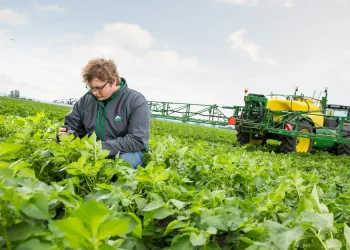
Okra farming in Kenya is quickly gaining attention for its low-maintenance, high-return potential. The crop grows well in Kenya’s hot and tropical climate, making it a perfect fit for regions like Central Kenya, parts of Rift Valley, Western, and Eastern Kenya. With rising local and international demand for fresh vegetables, okra is becoming a key player in Kenya’s agricultural export market.
Farmers interested in adding okra to their farming portfolio can tap into a growing market. The crop is ideal for smallholder farmers because it doesn’t require large land areas and thrives with minimal inputs. Whether for home consumption, local markets, or export, okra is a great crop to consider for boosting food security and profitability.
Best Practices for Okra Farming in Kenya
To succeed in okra farming, you must ensure good planning, select the right variety, and maintain favorable growing conditions. Here’s everything you need to know before getting started.
Varieties of Okra Grown in Kenya
There are several varieties of okra that thrive in Kenya’s varying conditions. Choosing the right variety depends on your region, soil type, and market preference. Some of the best okra varieties for Kenyan farmers include:
- Pusa Sawani: Known for its high yield and disease resistance, making it a popular choice among farmers.
- Clemson Spineless: Famous for tender, spineless pods and uniform growth, which makes it a top pick for local markets.
- White Velvet: Recognized for its creamy, smooth texture and flavor, this variety is ideal for both fresh consumption and processing.
- Dwarf Green Variety: A compact variety perfect for small gardens or limited spaces, ideal for small-scale farmers.
Choose the variety based on the specific needs of your region, the soil conditions, and market demand.
Ideal Conditions for Growing Okra
Okra thrives in warm, tropical conditions with well-drained soil. To achieve the best results, follow these ideal growing conditions:
- Soil Type: Okra grows best in well-drained sandy or loamy soil with a pH level between 5.8 and 6.5.
- Soil Preparation: Start preparing the soil about two months before planting. Ensure proper incorporation of compost and manure to enrich the soil.
- Temperature: The ideal temperature for okra growth ranges from 24°C to 30°C. Avoid planting during the cold seasons, as okra prefers warmth.
- Watering: Okra requires approximately 400 mm of water during the first two months of growth. Ensure consistent moisture but avoid waterlogging, which can cause root rot.
By providing the right soil, temperature, and water conditions, you can help your okra plants thrive and produce high yields.
How to Plant Okra
There are two main methods for planting okra in Kenya: direct sowing in the field or raising seedlings in nurseries.
- Direct Sowing:
- Make holes 1.5 cm deep.
- Space the seeds 50 cm apart between rows and 30 cm between plants.
- Nursery Planting:
- Sow seeds in nursery beds or trays and transplant the seedlings after 2 to 3 weeks when they are 4–6 cm tall.
Intercropping with legumes like cowpeas or groundnuts is a great way to enhance soil nitrogen levels and increase income from your land.
Managing Okra Plants
Proper plant care is essential for a healthy crop. Here are some tips for managing your okra plants:
- Weeding:
- Keep the field weed-free, especially in the first month. Weeds compete with okra for nutrients and water.
- Mulching helps control weed growth and conserve moisture.
- Fertilization:
- Apply organic compost or well-rotted manure during planting to promote healthy growth.
- Supplement with nitrogen-rich fertilizers like CAN (Calcium Ammonium Nitrate) during early growth to support plant development.
- Pest and Disease Management:
- Okra can be affected by pests such as aphids, whiteflies, and fruit borers.
- Use integrated pest management (IPM) techniques like handpicking pests and applying organic solutions like neem oil.
- Disease management includes crop rotation to prevent fungal infections and using certified seeds to reduce disease risk.
- Pruning:
- Regular pruning helps improve air circulation and prevents overcrowding, which promotes healthy plant growth.
Harvesting and Yields
Okra is a fast-growing crop and can be harvested about 2 months after planting. To ensure the best harvest, follow these guidelines:
- Harvesting:
- Harvest the pods 4 to 6 days after flowering, when they are still tender and marketable.
- Harvest in the early morning when the pods are fresh.
- Yield:
- With proper care, okra can yield between 40 to 50 tonnes per acre. Yield depends on factors such as spacing, soil health, watering, and pest control.
Post-Harvest Practices
Okra should be handled with care to avoid bruising, which can reduce its market value. After harvesting:
- Packaging: Pack okra in ventilated crates to maintain freshness and prevent spoilage.
- Storage: Keep okra in a cool, shaded area to extend shelf life.
- For export, immediate cooling after harvest is necessary to preserve quality during transportation.
Common Challenges and Solutions
Though okra farming is relatively easy, farmers may face some challenges. Here are a few common issues and solutions:
- Pests and Diseases:
- Regular monitoring and organic pest control methods such as neem oil can help manage pest infestations.
- Poor Germination:
- Use fresh seeds and ensure that planting occurs during warm seasons for better germination rates.
- Market Access:
- Start small and sell directly to local markets or supermarkets. Joining farmers’ cooperatives can provide access to bulk buyers and export opportunities.
Where to Sell Okra in Kenya
The demand for okra is steadily increasing in Kenya. Farmers can sell their okra at:
- Open-air markets: These are popular locations where fresh vegetables are sold to consumers.
- Supermarkets: Okra is increasingly being stocked in supermarkets due to its nutritional value and versatility.
- Hotels and Restaurants: Okra is used in a variety of dishes, making it a sought-after ingredient in many hotels and restaurants.
- Export markets: There is growing demand for okra in international markets, particularly in Europe and the Middle East.
Why Okra Farming Is a Profitable Venture in Kenya
Okra farming in Kenya offers a great opportunity for farmers to diversify their crops and increase their income. With the right variety, favorable growing conditions, and proper care, okra farming can provide high yields and access to a growing market. The crop is easy to manage, fast-growing, and highly nutritious, making it a valuable addition to Kenyan farming. By following the best practices outlined in this guide, you can successfully tap into the market and enjoy profitable returns from your okra farm.