Federal Reserve Chair Jerome Powell has highlighted the strength and resilience of the U.S. economy in the wake of the first interest rate cut of 2025. This marks a pivotal moment in American monetary policy, signaling a cautious but clear shift from the aggressive tightening cycle of the previous years.
Powell described the decision as a measured step, designed to ensure that growth remains steady while inflation trends continue downward. He stressed that the U.S. economy is not in crisis; rather, it remains robust in employment, consumer demand, and corporate investment, giving the Fed room to fine-tune its policy direction.
The Economic Context Behind the Cut
The Fed’s move comes after nearly three years of elevated interest rates aimed at cooling inflation that surged in the early 2020s. By late 2024, inflation had eased closer to the central bank’s 2% target, while the labor market remained unexpectedly strong.
- Consumer spending has held up, particularly in services such as travel, dining, and entertainment.
- Business investment is rebounding, aided by industrial policy and incentives for advanced manufacturing.
- Housing markets, previously strained by high mortgage rates, are beginning to show signs of recovery as borrowing costs ease.
This economic backdrop allowed the Fed to cut rates without signaling panic, instead framing it as an adjustment to support long-term stability.
Powell’s Reassurance to Markets
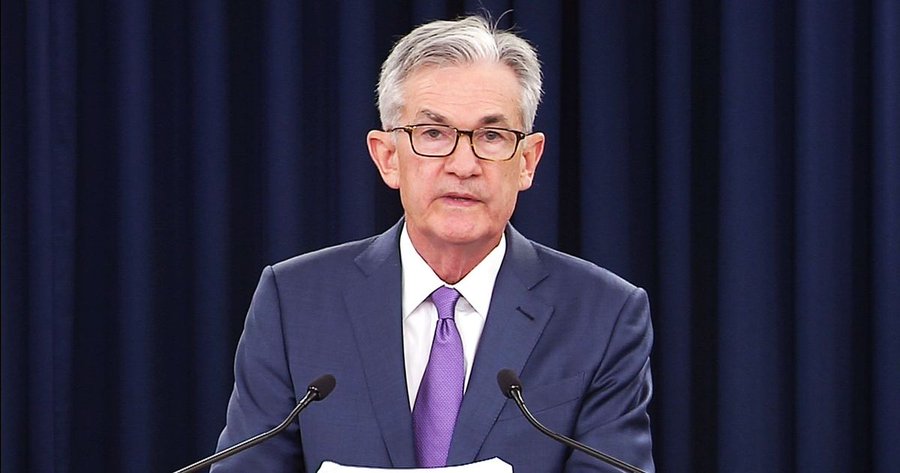
Markets had been eagerly awaiting clarity on the Fed’s next steps. Powell’s comments struck a careful balance:
- He reassured investors that the U.S. economy is resilient, with no immediate signs of recession.
- He reminded businesses and households that the Fed would remain data-driven, ready to act if inflation resurged.
- He positioned the Fed as a stabilizing force in an uncertain global environment.
Wall Street responded with cautious optimism. Equities rallied modestly, bond yields adjusted downward, and the dollar held steady as traders interpreted Powell’s words as a sign of confidence rather than concern.
The Global Dimension
The Fed’s decisions rarely stop at U.S. borders. By cutting rates, the Fed indirectly affects global liquidity, currency flows, and trade dynamics. Powell’s stress on U.S. resilience sends a signal to international partners that America will continue to act as an anchor for the global economy.
- Emerging markets could benefit from stronger capital inflows as U.S. borrowing costs decline.
- Global commodity markets may see renewed demand, particularly in energy and industrial materials.
- Geopolitical risks, from supply chain disruptions to conflicts, remain a concern but are tempered by the Fed’s more accommodative stance.
Risks and Opportunities Ahead
Despite Powell’s confidence, challenges remain. Inflation is not fully tamed, and global uncertainties—from energy shocks to political instability—could disrupt progress. Some analysts caution that the Fed must avoid stimulating the economy too much, too quickly.
On the other hand, the rate cut opens opportunities for innovation, infrastructure investment, and renewed consumer activity. By lowering financing costs, the Fed has created space for businesses to expand and for households to borrow more affordably.
Looking Toward the Rest of 2025

The rate cut has set the tone for the remainder of 2025. Powell signaled that future decisions will depend on incoming data, leaving open the possibility of additional cuts if conditions warrant.
For now, the central message is one of confidence: the U.S. economy has weathered the challenges of inflation and global volatility, and it stands ready to grow in a more sustainable way. Powell’s words are designed not just to guide markets but to reassure Americans that the Fed is steering carefully through a complex global landscape.