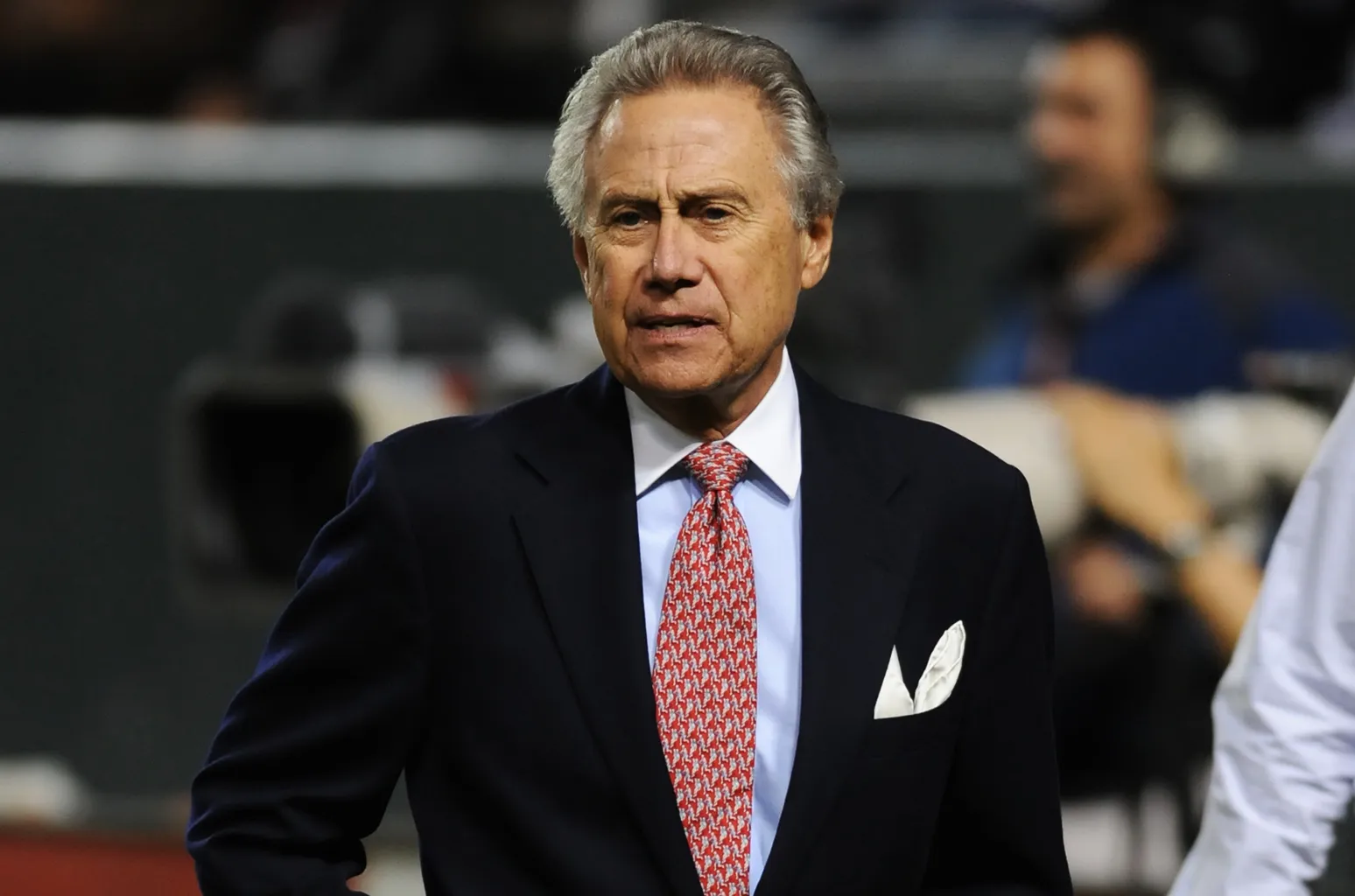
Philip Anschutz is a name that, while not often splashed across headlines, is deeply embedded in the fabric of American industry, culture, and philanthropy. Known for his low public profile and quiet demeanor, Anschutz has accumulated vast wealth and influence through strategic investments across various sectors, from oil and railroads to telecommunications, entertainment, and sports. His ability to shape industries from behind the scenes, coupled with his commitment to charitable causes, has cemented his legacy as one of the most influential yet private billionaires in America.
Early Life and the Foundations of a Fortune
Born on December 28, 1939, in Russell, Kansas, Philip Anschutz grew up in a family immersed in the oil and land business. His father, Frederick Anschutz, was a land investor and oil prospector, instilling in young Philip the essential lessons of risk-taking, deal-making, and resource management. These early teachings would prove invaluable as Philip embarked on a career that would span multiple industries, all while adhering to the principles of sound business practices and measured risk.
Anschutz attended the University of Kansas, where he earned a degree in finance. Upon graduation, he inherited his father’s struggling oil drilling business. Rather than letting it falter, Anschutz took the reins and turned the company around, marking the beginning of a remarkable career in business. His early success in the oil industry, particularly in discovering oil fields in Wyoming, laid the foundation for his wealth, enabling him to diversify into other sectors.
A Diversified Empire: From Railroads to Telecommunications
In the 1980s, Anschutz began diversifying his investments, turning his attention to infrastructure. He purchased the Rio Grande Railroad and later acquired a controlling interest in Southern Pacific Railroad. Anschutz understood the strategic importance of infrastructure in shaping the flow of goods across the United States. His investments paid off when Southern Pacific merged with Union Pacific, yielding significant returns.
Anschutz’s ventures did not stop with railroads. Recognizing the growing potential of telecommunications, he founded Qwest Communications in the 1990s, a company that became a key player in the fiber-optic boom. Qwest helped lay thousands of miles of fiber-optic cables, providing internet and telephone services nationwide. Though the company faced legal challenges later on, it stands as another example of Anschutz’s ability to capitalize on emerging trends and his knack for taking calculated risks.
Entertainment and Real Estate: Shaping American Culture
Another pillar of Anschutz’s empire is his extensive investments in real estate and entertainment. Through Anschutz Entertainment Group (AEG), he has played a crucial role in revitalizing urban areas, particularly in Los Angeles, where he was instrumental in transforming the downtown area. AEG owns and operates iconic venues such as the Staples Center (now Crypto.com Arena) and has stakes in numerous sports teams and music festivals. His influence in the entertainment industry extends far beyond business, shaping popular culture and solidifying his place as a key figure in sports and entertainment.
In real estate, Anschutz has continued to make his mark, investing heavily in urban developments that not only generate significant financial returns but also contribute to the cultural landscape of major cities. His ventures have not only enriched his own portfolio but have also played a significant role in the regeneration of American cities, bringing new life to neighborhoods and creating spaces where people gather, work, and play.
Philanthropy: A Quiet Legacy of Giving
Despite his vast wealth—estimated in the billions—Philip Anschutz is known for his low public profile. He is not one to seek attention or media coverage, preferring to let his businesses and investments speak for themselves. However, his influence extends far beyond the business world, as he has also become a notable philanthropist.
Through the Anschutz Foundation, Philip has contributed hundreds of millions of dollars to causes such as medical research, education, the arts, and faith-based initiatives. The University of Colorado Anschutz Medical Campus, named in his honor, stands as a testament to his commitment to advancing health sciences. His donations to medical research have supported groundbreaking work, furthering the understanding and treatment of various diseases. His philanthropic efforts are characterized by a deep desire to improve the lives of others, with an emphasis on long-term, sustainable impact rather than short-lived gestures of charity.
Anschutz’s contributions to the arts and education are equally significant. He has funded numerous educational initiatives, from scholarships to programs that aim to make education more accessible. His support for the arts, including his backing of family-friendly films through Walden Media, reflects his belief in shaping culture in a positive direction. Productions such as The Chronicles of Narnia and Charlotte’s Web align with his values of morality, family, and faith, showcasing his desire to influence American culture in a constructive way.
Sports: A Key Contributor to Major League Soccer
Philip Anschutz’s influence also extends to the world of sports. He was a co-founder of Major League Soccer (MLS), and at one point, owned or held stakes in several teams, including the LA Galaxy. At a time when soccer was struggling to gain traction in the United States, Anschutz’s investments helped stabilize and grow the league. Thanks to his support, MLS has grown into a thriving league with increasing international recognition, further solidifying Anschutz’s legacy in the world of sports.
Through his strategic investments in sports, Anschutz played a pivotal role in the development of American soccer, transforming it from a niche sport into a more mainstream cultural phenomenon. His dedication to MLS, combined with his investments in iconic sports venues, demonstrates his ability to shape both the infrastructure and the cultural landscape of American sports.
A Quiet Titan: Influence Without the Spotlight
Philip Anschutz’s life is a masterclass in quiet influence. Unlike many billionaires who seek public attention, Anschutz remains a private figure, choosing to operate behind the scenes. Yet, his impact is undeniable. From the oil fields of Wyoming to the stadiums of Los Angeles, from the railroads to the fiber-optic cables that power the internet, Anschutz’s investments have shaped industries, economies, and cultures.
His story is one of vision, discretion, and diversification. He has succeeded in numerous sectors by balancing risk with responsibility, influence with humility, and wealth with purpose. While he may not seek the limelight, his enduring legacy is felt in the very fabric of American life—through the businesses he’s built, the sports he’s supported, the culture he’s influenced, and the philanthropy he’s quietly championed.
A Legacy Built on Vision and Integrity
Philip Anschutz stands as a testament to the power of quiet ambition. His success story is not one of public accolades or media attention, but rather of strategic investments, calculated risks, and a commitment to long-term impact. His legacy is one of vision and integrity—a quiet titan who has shaped industries, influenced culture, and contributed to the betterment of society without ever seeking the spotlight. In a world that often rewards noise and spectacle, Anschutz’s story reminds us that true influence is sometimes best achieved from the shadows, with purpose and patience.
Whether in railroads, telecommunications, entertainment, or philanthropy, Philip Anschutz’s fingerprints are everywhere, marking a life spent building not just wealth, but a lasting legacy that continues to shape America’s future.