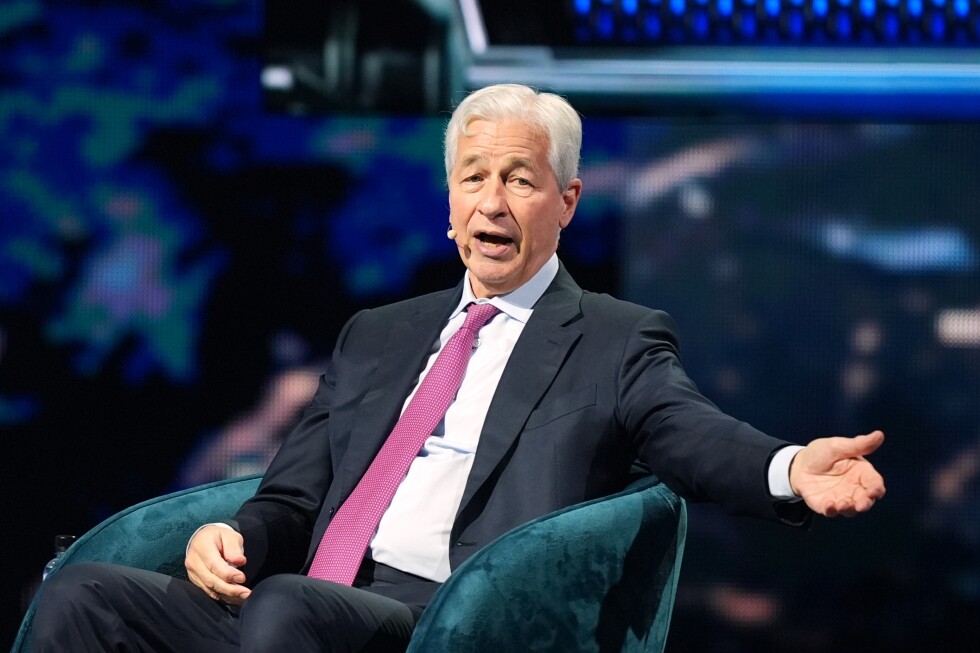
President Donald Trump sues JPMorgan Chase and CEO Jamie Dimon for $5 billion in a lawsuit filed Thursday. The legal action alleges the banking giant stopped providing services to Trump and his businesses for political reasons after he left office in January 2021. Trump sues JPMorgan in Miami-Dade County court in Florida, marking the latest escalation in tensions between the White House and major financial institutions.
The lawsuit claims JPMorgan abruptly closed multiple accounts in February 2021 with just 60 days notice. The bank allegedly provided no explanation for the closures. Trump asserts that JPMorgan and Dimon cut him and his businesses off from millions of dollars. The account closures disrupted operations and forced urgent banking transitions elsewhere. This Trump sues JPMorgan case centers on accusations of politically motivated financial discrimination.
Allegations of Political Motivation
The lawsuit contains serious allegations about JPMorgan’s motivations. “JPMC debanked (Trump and his businesses) because it believed that the political tide at the moment favored doing so,” court documents state. This claim suggests the bank made decisions based on political calculations rather than legitimate business concerns. Trump sues JPMorgan on grounds that go beyond simple account closure disputes.
Trump alleges he personally contacted Dimon after the bank started closing his accounts. According to the lawsuit, Dimon assured Trump he would investigate what was happening. However, Trump’s lawyers claim Dimon failed to follow up. The complaint further alleges that JPMorgan placed Trump and his companies on a reputational “blocklist.” This list allegedly prevents clients from opening accounts at JPMorgan and other banks in the future.
JPMorgan Denies All Claims
JPMorgan responded swiftly to the lawsuit with a firm denial. The bank issued a statement saying it believes the suit has no merit. JPMorgan expressed regret that Trump sues JPMorgan but insisted it did not close accounts for political reasons. The bank’s position contradicts Trump’s central allegations.
“JPMC does not close accounts for political or religious reasons,” a bank spokesperson stated. “We do close accounts because they create legal or regulatory risk for the company.” This defense suggests JPMorgan bases account decisions on risk assessment rather than political ideology. The bank maintains its actions followed standard compliance procedures.
Heightened Tensions Between White House and Wall Street
The timing of this Trump sues JPMorgan action comes amid escalating conflicts between the administration and financial institutions. Trump threatened legal action against JPMorgan Chase last week. The president recently announced plans to cap credit card interest rates at 10%. This proposal aims to lower costs for consumers but threatens bank profitability.
Chase ranks among the largest credit card issuers in the country. A bank official told reporters that JPMorgan would fight any White House or congressional effort to implement rate caps. Bank industry executives have also bristled at Trump’s attacks on Federal Reserve independence. These policy disputes create a contentious backdrop for the lawsuit.
Understanding Debanking as a Political Issue
Debanking occurs when banks close customer accounts or refuse to provide services like loans. This once obscure financial practice has become politically charged in recent years. Conservative politicians argue that banks discriminate against them and their affiliated interests. The Trump sues JPMorgan case amplifies these existing tensions.
Debanking first emerged as a national issue during the Obama administration. Conservatives accused the government of pressuring banks through “Operation Choke Point.” Banks allegedly stopped extending services to gun stores and payday lenders under this program. The controversy established debanking as a partisan political flashpoint.
Reputational Risk and Regulatory Changes
Trump and other conservative figures claim banks cut them off using “reputational risk” justifications. These account closures allegedly followed the January 6, 2021, attack on the U.S. Capitol. Since returning to office, Trump’s banking regulators have moved to stop banks from using reputational risk as grounds for denying customer service.
“JPMC’s conduct is a key indicator of a systemic, subversive industry practice that aims to coerce the public to shift and re-align their political views,” Trump’s lawyers wrote. This language frames the Trump sues JPMorgan case as part of a broader pattern. The lawsuit portrays individual account closures as symptoms of industry-wide political bias.
Legal Claims and State Law Violations
Trump accuses JPMorgan of trade libel in the lawsuit. He also personally targets Dimon for allegedly violating Florida’s Unfair and Deceptive Trade Practices Act. These specific legal claims provide the framework for the $5 billion damages request. Trade libel involves making false statements that harm business reputation and operations.
The Unfair and Deceptive Trade Practices Act protects consumers and businesses from fraudulent commercial conduct. Trump’s legal team argues that Dimon’s alleged promises and subsequent inaction constitute deceptive practices under Florida law. The personal liability claim against Dimon adds significant stakes for the JPMorgan CEO beyond corporate exposure.
Pattern of Banking Lawsuits
This marks the second major lawsuit Trump has filed against a large bank over debanking allegations. The Trump Organization sued Capital One in March 2025 for similar reasons. That legal action raises comparable claims about politically motivated account closures. The Capital One lawsuit continues working through the court system without resolution.
The pattern suggests Trump views litigation as a key strategy for addressing perceived banking discrimination. Multiple lawsuits against major financial institutions create pressure on the industry. They also keep debanking issues in public discourse and potentially influence regulatory approaches.
Implications for Banking Industry Practices
The Trump sues JPMorgan case could reshape how banks handle politically sensitive accounts. Financial institutions face competing pressures from different stakeholder groups. Regulatory compliance requires careful risk assessment. However, overly aggressive account closures invite discrimination claims and legal exposure.
Banks must document clear, legitimate business reasons for closing accounts. Vague references to reputational risk may prove legally insufficient if challenged. The lawsuit outcome could establish important precedents for acceptable grounds to terminate banking relationships. Industry practices may shift based on court rulings.
Political Ramifications Beyond Banking
This lawsuit carries significance beyond financial services disputes. It represents a sitting president suing a major American corporation and its CEO for billions of dollars. The action demonstrates Trump’s willingness to use legal mechanisms against perceived corporate opposition. It also signals to other businesses that political neutrality may not shield them from White House conflicts.
The $5 billion damages demand represents substantial financial exposure for JPMorgan. While the bank likely considers the lawsuit meritless, defending against presidential litigation consumes resources and creates reputational challenges. Other major corporations may recalibrate their approach to politically sensitive customers given this high-profile case.
The lawsuit will proceed through Florida’s court system over coming months or years. JPMorgan will likely file motions to dismiss based on its assertion that the claims lack merit. Trump’s legal team must demonstrate that political motivation drove account closures rather than legitimate risk concerns. Discovery could reveal internal bank communications about the decision-making process.
Settlement remains possible despite current adversarial positions. Both parties might prefer avoiding extended litigation and public testimony. However, Trump’s pattern suggests he pursues cases aggressively rather than settling quietly. The Trump sues JPMorgan saga will likely generate headlines for an extended period.