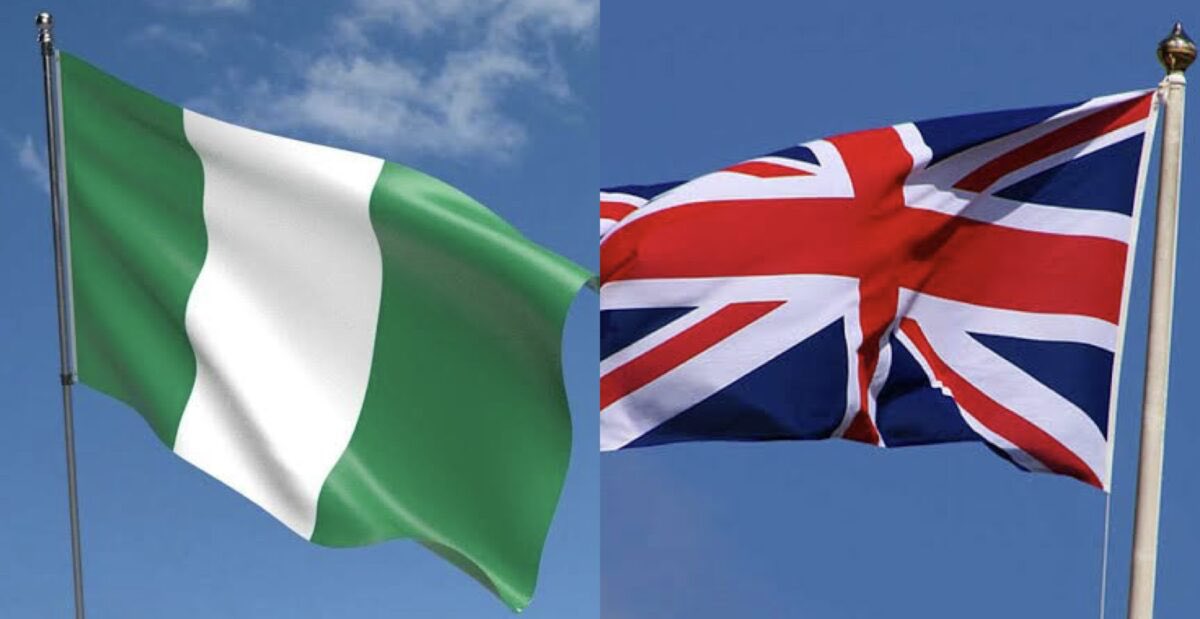
The UK government has escalated its travel advisory regarding Nigeria, restricting all travel to six states and advising caution across eighteen additional states due to rising insecurity. This advisory highlights the growing threats posed by terrorism, violent crime, and kidnappings. With safety concerns increasing in many parts of the country, the UK has advised its nationals to avoid certain regions and take precautions in others. The warning underscores the challenges faced by both local and international travelers in navigating Nigeria’s complex security landscape.
Which States Are Affected?
The UK government’s advisory specifically identifies six Nigerian states as too risky for any travel. These states are:
- Borno
- Yobe
- Adamawa
- Gombe
- Katsina
- Zamfara
These areas have seen the highest levels of violence, with terrorist groups such as Boko Haram and Islamic State West Africa Province (ISWAP) carrying out deadly attacks. Both insurgent groups have targeted civilians, military personnel, and local infrastructure, creating a volatile security environment. The UK government has therefore declared these regions as unsafe, urging its citizens to avoid them entirely.
Additionally, the UK government has advised caution for travel to eighteen other Nigerian states. While these states are not under a full ban, the advisory suggests that only essential travel should take place in these areas. Risks such as kidnappings, armed robberies, and militant violence have increased, leading to higher levels of insecurity.
Why the UK Issued This Travel Warning
The increasing insecurity in Nigeria is the primary reason for the UK’s updated travel advisory. Several factors contribute to the growing threats:
- Terrorism: Boko Haram and ISWAP continue to engage in violent operations across the northern parts of Nigeria, particularly in the northeast, causing civilian casualties and widespread displacement.
- Kidnapping for Ransom: There has been a significant rise in kidnappings for ransom, particularly in rural and semi-urban areas. Criminal groups frequently target foreign nationals and high-profile locals, holding them for ransom.
- Armed Robberies and Violent Crime: Violent crimes, including robberies, shootings, and gang-related violence, have become more frequent across Nigeria. Major cities and highways, once considered safer, are no longer immune to these threats.
- Attacks on Infrastructure: Militant groups and bandits have targeted critical infrastructure, including transportation and oil facilities. This has led to disruption in daily operations and created challenges for both local and foreign businesses.
The UK government issued the advisory to protect its nationals and to highlight the growing risks associated with travel to many parts of Nigeria. As these security challenges continue to evolve, the situation remains fluid, with new areas of concern emerging over time.
Impact on Travelers and Residents
For UK nationals and other foreign travelers, this advisory carries significant implications:
- Full Travel Ban to Six States: UK nationals are now prohibited from traveling to the six identified high-risk states. This includes not just tourists, but also business travelers and aid workers.
- Essential Travel Only in Eighteen States: For the eighteen states under caution, the UK government has advised that only essential travel should occur. Those who must travel should take extreme precautions and ensure they have comprehensive security measures in place.
- Local Impact on Residents: While the advisory mainly targets foreign nationals, it is important for Nigerian residents, especially dual nationals, to understand the heightened risks. For expatriates and those with businesses in Nigeria, this advisory may affect the movement of staff, operations, and the overall business climate.
Implications for Nigeria’s Economy and International Relations
The travel advisory could have far-reaching consequences for both Nigeria’s economy and its diplomatic relationships:
- Economic Impacts: The advisory may reduce the number of foreign investors willing to invest in Nigeria, especially in the affected regions. Many foreign businesses rely on foreign nationals for expertise, and limiting their mobility could disrupt operations.
- Tourism Industry: Nigeria has been making efforts to boost its tourism sector, but the security concerns raised by the UK advisory could discourage international visitors. Tourist destinations in the affected regions could experience a significant decline in visitors.
- Diplomatic Relations: The UK’s decision to impose these restrictions puts pressure on the Nigerian government to address its internal security issues. Nigeria’s relationship with the UK, as well as with other foreign governments, may become strained if the security situation does not improve.
What to Monitor Moving Forward
Several key factors will determine the future of this travel advisory:
- Government Response to Insecurity: The Nigerian government must take decisive action to curb terrorism and violent crime. Strengthening security forces, improving intelligence, and better coordinating efforts with international partners will be crucial in addressing these challenges.
- Changes in Travel Advisories: If Nigeria succeeds in improving security in the affected states, the UK government may reconsider its advisory. Conversely, if the situation worsens, additional states may be added to the travel ban.
- Global Reactions: Other countries, such as the United States, Canada, and members of the European Union, may issue their own travel advisories. The international community is closely watching Nigeria’s security measures, and any additional travel restrictions from other countries could further isolate the nation in terms of international travel and investment.
- Impact on Business Operations: Businesses, particularly those in the oil and gas, telecommunications, and finance sectors, will need to reassess their operations and employee safety protocols. Insurance costs for businesses may rise as risks associated with doing business in affected regions increase.
How to Navigate the Travel Restrictions
If you are planning to travel to or are currently residing in one of the affected regions, here are some important tips:
- Stay Informed: Follow updates from the FCDO and local authorities to remain aware of any changes in the security situation.
- Evaluate Travel Needs: Before traveling to any affected region, consider whether your journey is essential. If not, postpone travel until the security situation improves.
- Security Measures: If you must travel, ensure that you take appropriate security measures. This includes using trusted transportation services, avoiding high-risk areas, and traveling with a security detail if necessary.
- Emergency Preparedness: Have a clear emergency plan in place. This includes knowing evacuation routes, keeping emergency contacts on hand, and having necessary travel documentation ready.
The UK government’s decision to restrict travel to six Nigerian states and advise caution in eighteen others is a direct response to the deteriorating security environment in the country. With rising terrorism, kidnappings, and violent crime, these measures aim to protect foreign nationals and raise awareness about the risks in affected areas. For travelers, businesses, and residents, these restrictions highlight the need for vigilance and preparedness. Moving forward, both the Nigerian government and international stakeholders must work together to improve security and restore stability, ensuring that travel to and from Nigeria becomes safer for all.