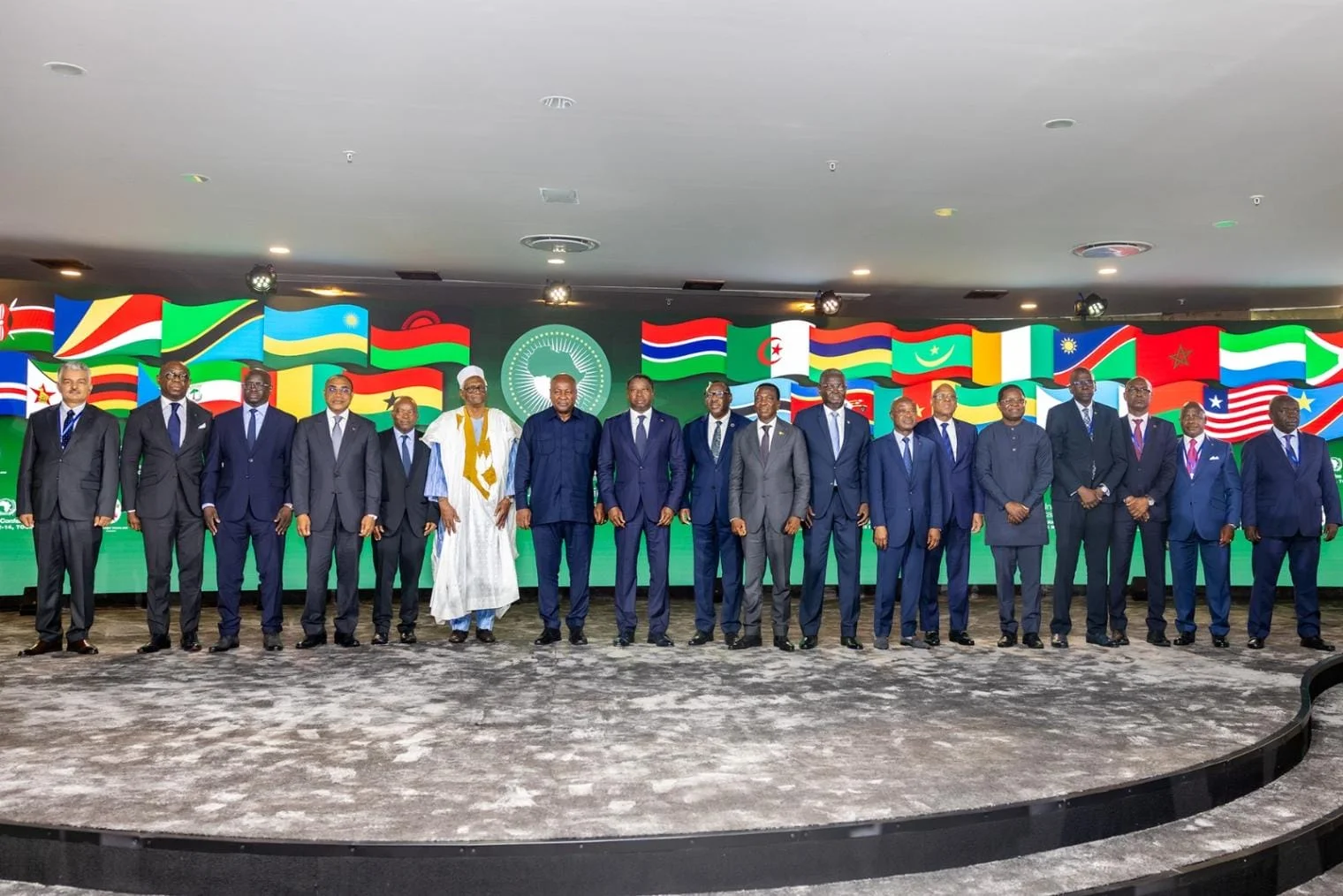
Africa’s public debt has reached $1.8 trillion, creating a massive challenge for the continent. This mounting debt threatens to hold back the region’s economic growth and development. African countries now face a cycle of borrowing to pay off existing debt, which leaves them little room for investment in essential services. The African Union (AU) has raised concerns and is calling for urgent reforms in the global financial system. Without changes, the current structure will continue to harm African economies. This article explores the reasons behind Africa’s rising debt, its economic impact, and the AU’s proposals for reform.
Africa’s Growing Debt Burden
Africa’s total debt has surged from $120 billion in 1990 to $1.8 trillion today. Despite this rise, economic growth remains slow, averaging just 3-4% annually. The debt-to-GDP ratio has increased significantly. Many countries are now in a situation where their debt exceeds their national output. This has left governments with little capacity to pay for development projects. Most of the debt is external, owed to private creditors, and international institutions. As a result, African nations face rising debt-servicing costs, which limit investments in health, education, and infrastructure.
Drivers of Africa’s Rising Debt
External Economic Shocks
Africa’s debt has increased due to various external shocks. The 2008 global financial crisis, COVID-19 pandemic, and the Ukraine conflict have all had significant impacts. These events reduced Africa’s exports and decreased revenue. Governments were forced to borrow more to stabilize their economies. The pandemic, for example, increased borrowing to respond to the health crisis and provide social support. These loans left African countries with more debt and fewer resources to invest in the future.
Rising Borrowing Costs
Borrowing costs for African countries have risen dramatically. Many African countries now face interest rates around 11.6%, much higher than advanced economies. These high rates have made it more difficult for governments to manage their finances. As borrowing costs increase, countries are forced to take out more loans to service existing debt, creating a vicious cycle.
Debt Servicing vs. Development Investment
One of the most pressing issues is that African governments are now spending more on debt servicing than on social services like healthcare and education. Reports show that in 57% of African countries, debt servicing exceeds public spending on essential services. This leaves little room for investment in key areas needed for development, such as building infrastructure, improving health systems, and increasing access to education.
AU’s Call for Financial Reform
The African Union (AU) is calling for a complete overhaul of the global financial system. The AU proposes reforms to help African countries manage their debt more effectively. These reforms focus on fairness and equity. They aim to create a financial system that supports Africa’s development needs. Key proposals include:
Involving Private Creditors in Debt Treatment
The AU wants private creditors to be more involved in the debt treatment process. Currently, debt relief efforts often exclude private creditors, making it harder for African countries to restructure their debt. The AU believes that including private creditors will create a fairer and more effective process. By doing so, African nations could secure better terms and reduce their debt burdens.
Creating Africa-Specific Credit Ratings
The AU also proposes the creation of Africa-specific credit rating agencies. Global credit agencies often give African countries lower ratings, leading to higher borrowing costs. These agencies do not account for the unique challenges and opportunities Africa faces. The AU believes a continent-specific rating system would provide a more accurate assessment of African economies. This could help countries secure more favorable borrowing terms and attract investment.
Expanding the G20 Debt Relief Framework
The G20 Common Framework for Debt Treatment was introduced to help heavily indebted countries restructure their debt. However, the AU wants this framework to be expanded. The AU argues that the current system is too slow and inefficient. Expanding this framework could speed up the debt relief process for African countries and make it more effective.
A New Financial Pact for Africa
The AU is also calling for a new financial pact that would recognize Africa as an equal partner in the global economy. This pact would provide Africa with better access to capital and resources. It would also ensure that the continent can move beyond a debt-driven model. Instead, Africa should be able to invest in long-term development to improve living standards for its people.
Implications of Africa’s Debt Crisis
Limited Investment in Development
The rising debt burden has serious consequences for Africa’s development. With more money going to debt servicing, governments are unable to invest in key areas like education, healthcare, and infrastructure. As a result, many African countries struggle to improve living conditions for their citizens. This lack of investment slows down economic growth and keeps many African nations trapped in poverty.
Vulnerability to External Shocks
High levels of debt make African countries more vulnerable to external shocks. The global economy is unpredictable, and fluctuations in commodity prices, interest rates, or currency values can have a severe impact. When countries are heavily indebted, they have little room to absorb these shocks. This vulnerability makes it harder for African nations to manage crises and respond to emergencies.
The Need for Stronger Debt Management
The debt crisis highlights the need for better debt management across African governments. Countries need to develop better fiscal policies, improve governance, and ensure that debt is used for long-term development rather than short-term fixes. Stronger debt management practices will help African countries avoid future debt crises and promote economic stability.
The Opportunity for Reform and Growth
Although the debt crisis is severe, the AU’s reform proposals offer a chance for change. If these reforms are successfully implemented, African countries could reduce their debt burdens, unlock new investment, and create a more sustainable path to growth. This would allow African nations to focus on long-term development and improve living standards for their people. The AU’s proposals could also lead to more balanced economic growth, making Africa a key player in the global economy.