Venezuela has made global headlines by deploying Russian Kh-31 missiles during military exercises, a move seen as a strong signal amid heightened tensions with the United States in the Caribbean. These drills demonstrate Caracas’ growing reliance on Russian weaponry while showcasing its military strength in a region already marked by geopolitical friction. The development underscores Venezuela’s strategic partnership with Moscow and highlights the fragile security environment in the Western Hemisphere.
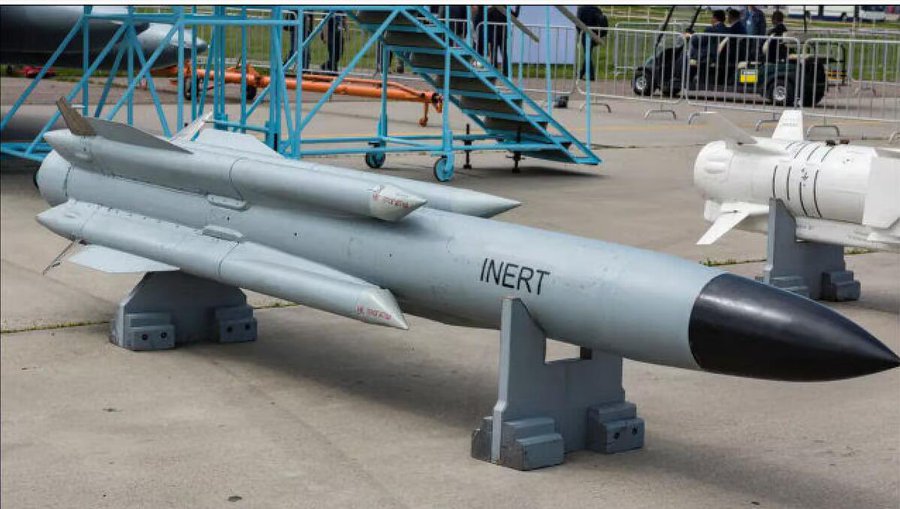
The Role of Kh-31 Missiles
The Kh-31 missile is a versatile, supersonic air-to-surface weapon designed by Russia. Capable of targeting ships, radar systems, and ground-based defenses, the missile is widely respected for its speed and effectiveness. By integrating the Kh-31 into its drills, Venezuela aims to signal that it can counter regional threats, especially in scenarios where naval or air superiority may be challenged. This deployment reflects both military preparedness and political messaging.
US-Venezuela Tensions in the Caribbean
The backdrop to these exercises is the long-standing strain between Caracas and Washington. The United States has frequently criticized Venezuela for its political and economic policies, imposing sanctions and increasing military cooperation with regional allies. The Venezuela Kh-31 missiles deployment sends a warning that the South American nation is prepared to defend its sovereignty and strategic interests against perceived US influence in the Caribbean.
Russia’s Strategic Support
Moscow’s defense cooperation with Caracas has grown over the years, with Russia supplying not only missiles but also aircraft, radar systems, and training. These ties give Venezuela access to advanced technology while offering Russia an opportunity to extend its influence in Latin America. The presence of Russian Kh-31 missiles in Venezuela’s arsenal highlights how Moscow continues to challenge US dominance in regions close to its sphere of influence.
Regional and Global Reactions
The move has sparked debate across Latin America and beyond. Regional neighbors view Venezuela’s actions with caution, concerned about the militarization of the Caribbean. For the United States, this deployment raises strategic alarms, potentially prompting stronger security postures in nearby territories. Globally, it reflects a broader trend of increasing military cooperation between nations opposing US policies, adding another layer of complexity to international diplomacy.
Broader Implications for Security
The use of Venezuela Kh-31 missiles in drills is not only about immediate defense but also about signaling deterrence. By showcasing advanced weaponry, Venezuela aims to prevent external intervention and affirm its role as a sovereign regional power. However, the move also risks escalating tensions, with the Caribbean once again emerging as a potential flashpoint in great-power rivalry.