

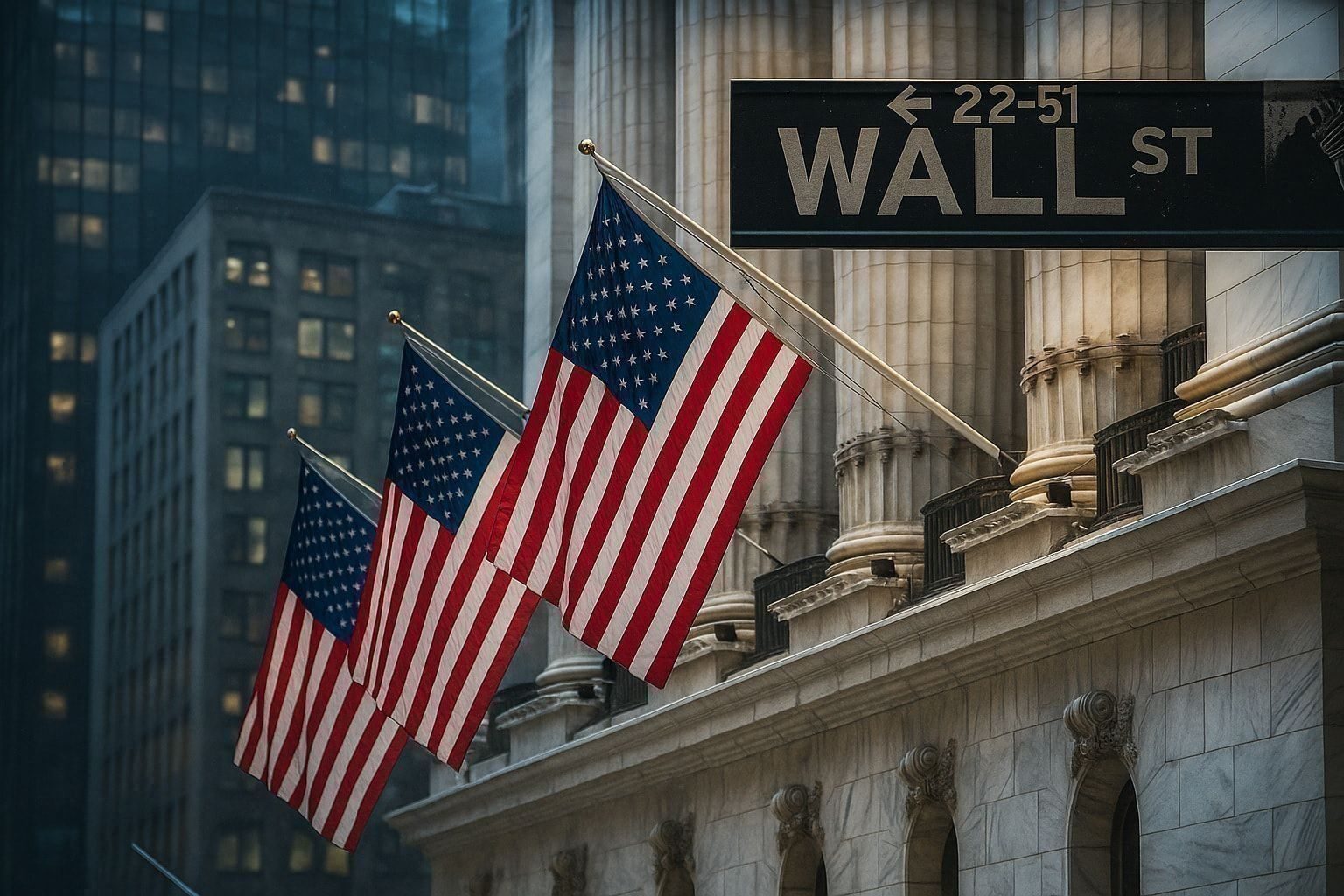
US markets started December on a cautious note as futures for the Dow Jones Industrial Average, S&P 500, and Nasdaq Composite edged lower early Monday, reflecting investor unease after a sharp pullback in both equities and cryptocurrencies to end last week. The downturn comes at a critical moment, with traders reassessing expectations for interest rate cuts, inflation trends, and the health of the labor market heading into the final month of the year.
Futures Under Pressure Following Friday Selloff
Dow futures slipped by a small margin in pre-market trading, signaling another day of volatility after the blue-chip index lost momentum late last week. S&P 500 and Nasdaq futures also ticked down, extending the cautious mood that swept through global markets. Technology stocks — the backbone of the Nasdaq — remain particularly vulnerable as traders rotate out of high-growth names in anticipation of tighter financial conditions.
Analysts say the weakness in futures reflects a broader reassessment after November’s strong market rally, which saw the S&P 500 record its best month of the year. Investors are now questioning whether the rally was overextended, especially with Federal Reserve officials hinting that it is too early to discuss interest rate cuts.
Bitcoin Drops Sharply After Hitting Fresh Highs
Adding to the risk-off sentiment, Bitcoin suffered a steep decline to start December, falling more than 7% after briefly touching new multi-month highs. The selloff dragged other major cryptocurrencies lower, cutting short the asset class’s recent bullish momentum.
Several factors are being blamed for the pullback: profit-taking after an aggressive rally, uncertainty around spot Bitcoin ETF approvals, and renewed regulatory warnings from US agencies. Despite the drop, crypto analysts note that Bitcoin’s long-term technical outlook remains intact, with many expecting a rebound if broader financial markets stabilize.
Investors Brace for a Data-Heavy Week
Markets enter a crucial week filled with economic data releases that could shape the market narrative for the rest of December. The focus now shifts to:
- The November jobs report, which will offer a fresh look at labor market strength.
- The JOLTS openings report, giving insight into hiring appetite.
- The ISM services index, an important gauge of economic activity.
Any surprise in these indicators could shift expectations about the Fed’s next move and spark renewed volatility in stocks and bonds.
Bond markets were also mostly steady after last week’s rally, with the 10-year Treasury yield inching lower but still hovering near key psychological levels. Falling yields typically support equity markets, but some analysts warn that demand for Treasuries could weaken if inflation surprises to the upside.
Fed Officials Signal Caution
While investors have been optimistic about rate cuts in early 2026, multiple Federal Reserve officials have pushed back against that narrative. Recent statements emphasize a continued commitment to reducing inflation to the 2% target — even if that requires keeping rates elevated for longer than markets prefer.
Chair Jerome Powell’s latest comments were especially impactful, reminding investors that “the path forward remains uncertain,” sparking Friday’s downturn and adding pressure on futures heading into Monday.
Tech Stocks and Mega-Caps Remain in Focus
Mega-cap companies such as Apple, Microsoft, Nvidia, Alphabet, and Meta will continue to influence market direction this week. After leading the bulk of the 2025 market gains, these stocks are now facing increased scrutiny regarding valuations and earnings durability.
Nvidia, which has surged on AI demand, saw its momentum pause last week as traders took profits. Apple is under pressure due to slowing iPhone sales in key markets, while Alphabet and Meta continue to face regulatory risks in the US and Europe.
A modest pullback in these giants can significantly affect the broader indices due to their heavy weighting.
Energy Stocks Hold Up Better Than Tech
Energy shares were among the few sectors showing resilience, supported by a slight rebound in oil prices after OPEC+ signaled deeper production cuts. However, the oil market remains fragile amid concerns about global demand, especially in China, where economic recovery continues to lag expectations.
If crude oil prices rise sustainably, energy companies may emerge as a defensive play for December, though their performance will depend heavily on geopolitical developments and OPEC compliance.
Retail and Holiday Sales Under the Microscope
December is also a telling month for retail stocks, with holiday shopping trends closely watched by investors. Early data from Black Friday and Cyber Monday showed strong consumer participation, but analysts are divided on whether momentum will continue throughout the month.
High household debt, rising credit card delinquencies, and cooling wage growth could temper spending, putting pressure on retail-heavy indices and brands relying on end-of-year surges.
Global Markets Mirror Wall Street’s Caution
Globally, Asian and European stocks also traded lower as investors responded to Wall Street’s Friday decline and the crypto selloff. Japan’s Nikkei pulled back after a strong November, while Europe’s Stoxx 600 slipped as energy and tech sectors weighed down broader sentiment.
Global investors are increasingly wary of potential recession signals, geopolitical tensions, and fluctuating commodity prices — all of which continue to influence risk appetite across markets.
Market Outlook: Cautious but Not Bearish
Despite the shaky start to December, many analysts remain cautiously optimistic about the broader market trajectory. Corporate earnings have shown resilience, inflation has eased from last year’s highs, and consumer demand — while softening — remains relatively stable.
Still, volatility is expected in the coming weeks as traders digest economic data, Fed commentary, and any surprises in the crypto sector.
For now, the slight decline in Dow, S&P 500, and Nasdaq futures sets the tone for a nervous but decisive start to the final month of the year — one where every data point matters, and every market swing feels larger than it is.


