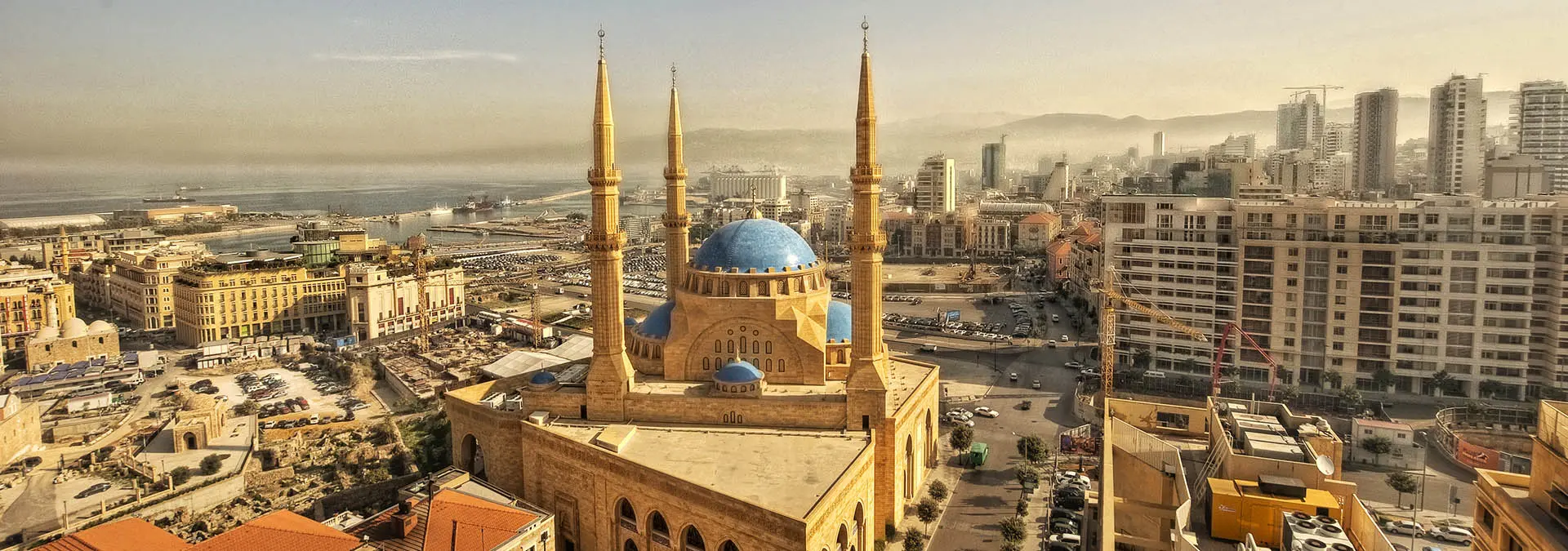
In a region typically defined by sweeping deserts and arid landscapes, Lebanon stands out as an exception. While many of its neighbouring Middle Eastern countries are dominated by vast sand dunes and dry plateaus, Lebanon features lush mountains, coastal plains, fertile valleys, and Mediterranean forests. This rare combination of terrain and climate means that Lebanon has no true desert zones, setting it apart from almost every other nation in the region.
Diverse Landscape: From Sea Level to Snow‑Capped Peaks
Lebanon stretches just over 200 km from its Mediterranean coast to the rugged Anti‑Lebanon Mountains along the Syrian border. The country’s elevation ranges dramatically—from sea level at Beirut’s shores up to more than 3,000 metres at its highest point. Because of this dramatic relief, air coming off the Mediterranean cools as it rises over the mountains, producing rainfall and maintaining vegetation rather than allowing arid desert conditions to form.
In fact, while many Middle Eastern deserts exist in inland basins far from sea moisture, Lebanon’s narrow profile between coast and mountains prevents the formation of extensive desert zones. Instead, it supports woodlands, alpine terrain, and important agricultural valleys.
A Climate That Defies Desert Norms
Lebanon’s climate plays a key role in its non‑desert status. The country enjoys a Mediterranean climate along the coast: warm, dry summers and cool, wet winters. Rainfall in coastal and mountainous regions often exceeds several hundred millimetres per year—far more than the threshold that typically defines a desert (commonly under 250 mm).
Moreover, winters bring snowfall to high elevations, making Lebanon one of the few countries in the Arab world where skiing is possible within hours of the sea. The combination of seismic moisture, terrain variation, and seasonal weather patterns breaks the usual pattern of aridity seen in nearby desert‑rich states.
Forests, Agriculture and Vegetation
Instead of endless sand, Lebanon supports a range of plant life. Cedars of Lebanon—ancient and iconic trees—still grow in the higher elevations, a symbol of the country’s unique ecology. Olive groves, orange orchards, vineyards, and terraces of crops populate the valleys and hillsides.
Meanwhile, the mountains offer pine forests, cold‑weather vegetation, and even alpine meadows. This variety of ecosystems is rare in the Middle East, where forests have often receded under arid conditions. Lebanon’s topography allows moisture to linger, supporting this rich variety of life instead of barren expanses.
Historical and Cultural Impacts
This unusual geography has had cultural and historical implications. In ancient times, Lebanon’s forests supplied cedar wood for temples and ships. Today, the country’s tourism culture emphasises its “green” credentials: beach resorts, skiing in the mountains, and hiking through forested terrain. Visitors often note the striking contrast of Mediterranean beaches below snow‑covered peaks.
In regional discussions, Lebanon sometimes emphasises this difference in landscape to distinguish itself from the “desert nation” stereotype of the Middle East. Its image as a land of mountains, forests and Mediterranean warmth remains compelling and distinctive.
Challenges and Environment Pressures
Being non‑desert does not mean Lebanon is free of environmental threats. The country faces deforestation, soil erosion, and localized desertification especially in over‑exploited mountainous areas. Climate change is affecting precipitation patterns, and warmer winters and less snowfall have been noted in recent years.
Additionally, the country’s terrain makes infrastructure and land‑use management challenging. Urban sprawl, hillside construction, and ecosystem degradation add pressures to an already fragile environment. Preserving Lebanon’s unique non‑desert ecosystem requires continued focus on sustainable practices.
Lessons for Regional Geography
Lebanon demonstrates how factors such as coastal moisture, mountain barrier effect, and complex topography can prevent desert formation even in a region where aridity is common. Its landscape provides a valuable case study in how geography and climate interact to shape national terrain.
For other countries in the region seeking to combat land degradation or expand green spaces, Lebanon’s example shows the potential benefits of preserving mountainous forests, enhancing water catchments and keeping coastal‑mountain gradients intact.
Looking Ahead: Sustainability and Identity
As Lebanon moves forward, sustaining its non‑desert identity will require investment in environmental protection, sustainable forestry, and water management. Symbolically, the country’s unique terrain can play a role in tourism, branding and national identity, emphasising its status as the Middle East’s “green island.”
At the same time, the interplay of climate change, urban pressure and regional instability means the country must remain vigilant. Its status as the only Middle Eastern country without a traditional desert may encourage innovation in eco‑tourism, mountain agriculture and sustainable development.