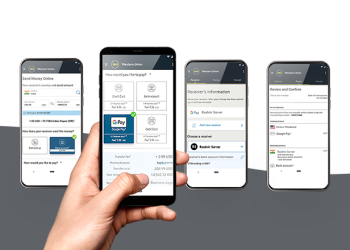
In 2025, the competition between Wise and PayPal remains one of the most discussed topics in global finance. Both platforms serve millions of users worldwide, but their pricing models differ significantly. Whether you are a freelancer receiving overseas payments, a small business paying international suppliers, or an individual sending money to family abroad, understanding which service offers lower fees is essential. This comparison explores the cost structure, exchange rate margins, transfer speed, and overall value of Wise and PayPal to determine which platform saves you more money.
Understanding the Basics of Wise and PayPal
Wise, formerly TransferWise, is designed for international transfers with transparent pricing and mid-market exchange rates. It allows users to send and receive money across more than 160 countries, often at a fraction of traditional banking costs. Wise’s greatest strength lies in its transparency—users can see exactly how much they are paying before completing any transaction.
PayPal, on the other hand, is one of the oldest and most recognized online payment systems. It began as a platform for e-commerce and peer-to-peer payments and later expanded into international transfers. While PayPal is convenient and widely accepted, its fee structure is often higher due to layered charges and currency conversion markups.
Both platforms provide digital convenience, but their primary goals differ. Wise focuses on reducing the cost of cross-border transfers, while PayPal emphasizes convenience and global reach.
Fee Structure: Transparency vs. Complexity
When comparing Wise vs PayPal in 2025, the main difference lies in how each handles fees.
Wise charges a small, clearly disclosed percentage based on the transaction amount, payment method, and currency. The company uses the mid-market exchange rate—the same rate banks use when trading currencies. This transparency ensures users know exactly how much the recipient will receive before confirming the transaction. Wise’s average total fee ranges between 0.35% and 1%, depending on the transfer route and payment option.
PayPal operates differently. Its fees include a base transfer charge, a percentage fee for international transactions, and a currency conversion markup. PayPal typically adds a margin of 3% to 4% to its exchange rates, meaning users pay more than the true market rate. Additionally, business users and international transactions often incur higher costs. For personal cross-border transfers, PayPal’s total charges can reach 5% or more, depending on currency and funding method.
In short, Wise is built for cost transparency, while PayPal’s model hides much of the cost within exchange rates.
Exchange Rates: The Hidden Factor
Exchange rates often make a bigger difference than transfer fees. Wise offers the mid-market rate with no hidden markups, which means you get the same rate shown on global currency markets. PayPal, however, applies a private exchange rate that includes its profit margin. This margin significantly increases the total cost of sending or receiving money in another currency.
For example, if you send $1,000 from the United States to Europe, Wise might charge a transparent fee of about $6 while giving you the exact mid-market rate. The recipient receives close to the full amount in euros. PayPal, on the other hand, may charge a visible transfer fee plus a lower exchange rate that costs the sender an extra $30 to $40 in hidden conversion costs.
Over time, especially for businesses handling multiple international transactions, this difference becomes substantial.
Speed and Delivery Times
Both Wise and PayPal offer fast digital transfers, but their timelines differ based on the destination and payout method.
Wise typically delivers funds within 24 hours for most major currency routes. Many transfers, especially within Europe, the UK, and North America, are processed within minutes. This speed is made possible by Wise’s local banking infrastructure, which allows the company to bypass international SWIFT intermediaries.
PayPal transfers are instant between PayPal accounts, but withdrawing to a bank account often takes one to three business days. If the recipient does not have a PayPal account, additional steps are required, leading to delays. Furthermore, for international payments, PayPal’s processing time depends heavily on the recipient’s country and local banking systems.
In terms of consistency, Wise is faster for direct bank transfers, while PayPal remains convenient for wallet-to-wallet payments.
Supported Currencies and Global Reach
Wise supports over 40 currencies and operates in more than 160 countries. It allows users to hold, convert, and manage multiple currencies through its multi-currency account. This feature makes it highly versatile for freelancers, expatriates, and global entrepreneurs.
PayPal operates in over 200 markets but supports fewer currency options for conversion. While PayPal’s global presence is unmatched for e-commerce, it remains limited when it comes to multi-currency account management and low-cost transfers between currencies. For example, PayPal users cannot hold multiple currencies without incurring conversion fees when making payments or withdrawals.
User Experience and Accessibility
Both platforms are designed for simplicity. Wise provides an intuitive interface through its website and mobile app. Its dashboard clearly shows fees, exchange rates, and expected delivery times before sending money. Wise users can also create “multi-currency accounts” that function like virtual bank accounts in different currencies, complete with local account numbers for receiving payments.
PayPal’s strength lies in its universal recognition. It is accepted by millions of merchants worldwide, making it ideal for online shopping and business transactions. The interface is familiar to most users, but it is less detailed about conversion costs until the final payment stage. For users who prioritize convenience over savings, PayPal’s accessibility remains unmatched.
Security and Reliability
Security is a critical factor when comparing Wise and PayPal. Both platforms are regulated by top-tier financial authorities. Wise is licensed under the UK Financial Conduct Authority (FCA) and complies with financial regulations in multiple regions. PayPal holds licenses from U.S. and international regulators, ensuring global compliance.
Both platforms use advanced encryption, multi-factor authentication, and fraud detection systems. However, Wise’s transparency gives users a stronger sense of control over their transactions, while PayPal’s dispute resolution tools make it more suitable for e-commerce transactions where buyer protection is necessary.
Best Use Cases for Each Platform
Wise is ideal for:
- Individuals sending money internationally to bank accounts.
- Freelancers receiving cross-border payments from clients.
- Businesses paying suppliers or employees abroad.
- Anyone seeking low-cost transfers and fair exchange rates.
PayPal is best for:
- E-commerce payments and online shopping.
- Peer-to-peer transactions between PayPal users.
- Businesses that require integration with online checkout systems.
- Users who prioritize convenience and speed over cost savings.
Which Platform Has Lower Fees in 2025?
After analyzing all factors, Wise remains the more affordable option for international transfers in 2025. Its transparent pricing, low percentage fees, and mid-market exchange rates ensure that users know exactly how much they are paying. Wise’s average transaction costs are significantly lower than PayPal’s, especially for larger transfers or multi-currency conversions.
PayPal, while convenient and trusted, still carries higher costs due to its layered fee structure and exchange rate margins. It excels in online commerce and peer-to-peer transactions but is less competitive for international remittances and business transfers.
The Future of Digital Payments
As digital banking continues to evolve, platforms like Wise and PayPal are shaping the global money transfer landscape. Wise is pushing for transparency and affordability, while PayPal is expanding its ecosystem through partnerships and digital wallets. The future will likely see both platforms improve speed, add currencies, and introduce AI-driven financial tools.
For now, cost-conscious users and global professionals prefer Wise, while PayPal remains the go-to for instant payments within its ecosystem. Understanding the strengths and limitations of each ensures you make smarter financial decisions in a rapidly changing global economy.