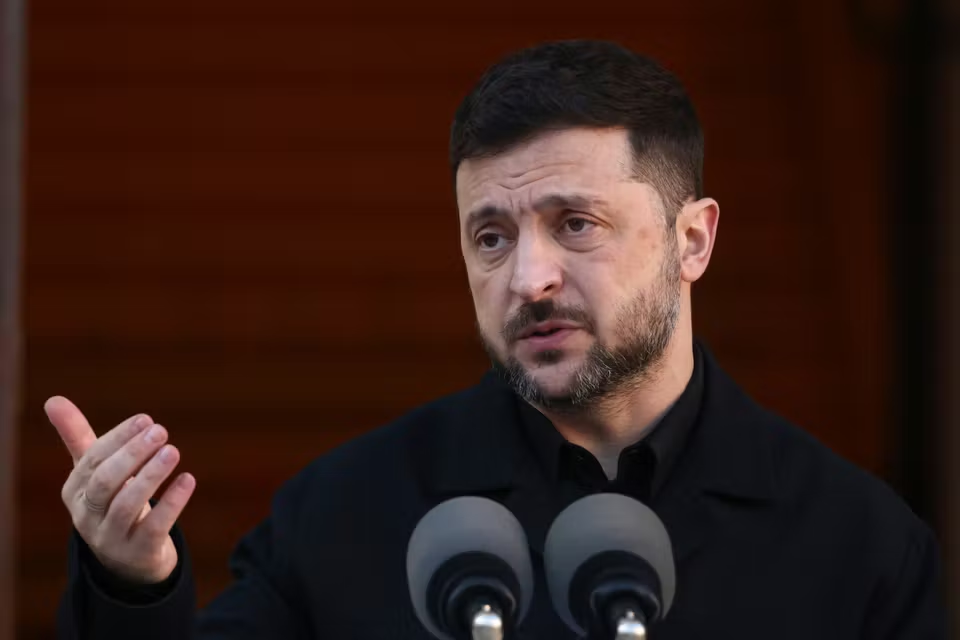
Ukrainian President Volodymyr Zelensky, in a pivotal moment in the ongoing war with Russia, has announced his readiness to hold new elections in Ukraine. Amid escalating pressure from the United States and the persistent martial law imposed due to the war, this statement represents a significant shift in Ukraine’s political trajectory. In addition to this readiness for elections, Zelensky is expected to revise proposals for ending the nearly four-year war and present them to Washington in the coming days. However, challenges remain, not only from external powers like the US and Russia but also from within Ukraine’s own legal framework.
Ukraine’s Political Landscape Amid Martial Law
Since Russia’s invasion of Ukraine in 2022, elections have been postponed under the imposition of martial law. Ukrainian law prohibits holding elections under these conditions, meaning that a presidential election scheduled for March 2024 is now on hold. The martial law is a direct response to Russia’s aggression, and Ukraine’s constitution restricts elections during such a period, making Zelensky’s announcement a legal and political gamble. However, the desire for a return to democratic processes is clear, with Zelensky signaling that changes to the electoral laws could be made to facilitate elections even under martial law.
Zelensky, speaking to reporters on December 9, 2025, made it clear that he was prepared to proceed with elections if the Ukrainian legislature can amend the legal framework. “I am ready for the elections,” Zelensky declared, highlighting the importance of restoring normalcy and the democratic process in Ukraine. This readiness is likely in part due to mounting pressure from both domestic and international actors to reinstate political normalcy.
The US Pressure and Trump’s Influence
U.S. President Donald Trump has been a significant figure in the international dialogue regarding the end of the war in Ukraine. Since his return to office in January 2025, Trump has been vocal in his criticism of Zelensky’s handling of the situation, accusing him of stalling peace efforts. In a recent interview with Politico, Trump expressed frustration with Ukraine’s reluctance to engage with US-proposed solutions, which include ceding territory to Russia in exchange for promises of security guarantees. These proposals have been met with significant resistance from Ukraine and its allies, who argue that such a deal would betray Ukrainian sovereignty and international law.
Trump also accused Zelensky of using the war as a reason to avoid holding elections, questioning the legitimacy of postponing elections indefinitely under martial law. “You know, they talk about a democracy, but it gets to a point where it’s not a democracy anymore,” Trump stated, adding fuel to the ongoing debate about the balance between wartime necessity and democratic values. The United States, under Trump’s administration, has pushed for a quick resolution to the conflict, emphasizing the need for territorial concessions to secure peace, despite the controversy surrounding these demands.
Zelensky’s Dilemma: Territorial Integrity vs. Peace
One of the key obstacles in the peace talks has been the issue of territorial concessions. The U.S. plan, which was initially drawn up in a 28-point proposal, has faced significant criticism, especially regarding the potential for Ukraine to cede parts of its territory to Russia. Zelensky has stated that under Ukrainian law, there is no legal or moral basis to surrender any land to Russia, especially regions like Donbas, which is considered critical to Ukraine’s sovereignty and future.
Zelensky’s stance is rooted in both national pride and international law. “We have no legal right to do so, under Ukrainian law, our constitution, and international law. And we don’t have any moral right either,” he affirmed. The territorial issue remains a central point of contention in the peace negotiations, with Ukraine demanding stronger international security guarantees in exchange for any potential land concessions. Zelensky has also highlighted the importance of receiving clear commitments from Western allies regarding Ukraine’s future security in the event of further aggression from Russia.
European Support and the Role of Pope Leo XIV
As the US pressurizes Ukraine into accepting a peace deal, European leaders have largely maintained a supportive stance towards Kyiv. Zelensky has spent the past week traveling between European capitals, meeting with key figures such as Pope Leo XIV and Italian Prime Minister Giorgia Meloni. These meetings underscore the importance of European involvement in the peace process, particularly as the war has had a direct impact on European security.
Pope Leo XIV, in his discussions with Zelensky, emphasized the importance of European unity in the peace talks, warning that a peace agreement excluding Europe would be “unrealistic.” His comments reflect the growing concern within the European Union about being sidelined in negotiations that directly affect the continent’s security. Italy, under Meloni’s leadership, has been a staunch supporter of Ukraine, although some political factions within the country have expressed doubts about continued military support.
Meloni’s government has faced internal pressure regarding the renewal of military aid to Ukraine, with some of her coalition partners questioning its necessity. However, Meloni herself remains firm in her commitment to supporting Ukraine, emphasizing that “as long as there’s a war, we’ll do what we can, as we’ve always done to help Ukraine defend itself.” This sentiment of solidarity is crucial as Ukraine navigates the complex geopolitical landscape, balancing the demands of the US, Russia, and Europe.
Russia’s Position on Donbas and Ongoing Tensions
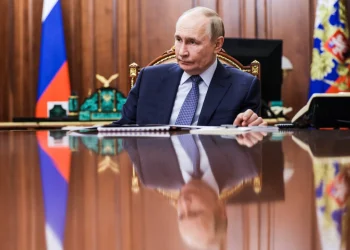
On the Russian side, President Vladimir Putin has continued to press for control over Ukraine’s eastern Donbas region, calling it part of Russia’s “historical territory.” His remarks, made during a televised event on December 9, 2025, highlight Russia’s long-term territorial ambitions in Ukraine and serve as a reminder of the difficult path toward peace. Putin’s assertion that the Donbas is “absolutely” Russia’s historical territory complicates any potential negotiations, as it underscores Russia’s unwillingness to relinquish control over key areas of Ukraine.
The conflict over Donbas remains one of the most sensitive issues in the peace talks, with Russia refusing to accept any Ukrainian sovereignty over the region. Zelensky’s firm stance on maintaining Ukraine’s territorial integrity is unlikely to change, despite the international pressure to come to an agreement.
The Path Forward
As Ukraine braces for potential elections and continues to engage in peace talks with both the United States and Russia, the future of the war remains uncertain. Zelensky’s readiness to hold elections marks a new phase in Ukraine’s political journey, but significant challenges remain. The country’s territorial integrity, the need for international security guarantees, and the role of its Western allies will continue to shape the direction of the peace process.
The coming days are critical for Ukraine, as it navigates a complex web of international pressure, domestic legal constraints, and the pressing need for a resolution to the ongoing conflict. Whether or not Zelensky can hold elections under martial law, and how Ukraine’s allies respond to the evolving peace talks, will determine the future of both Ukraine and the broader European security landscape.