Dubai’s Next Transformation Era
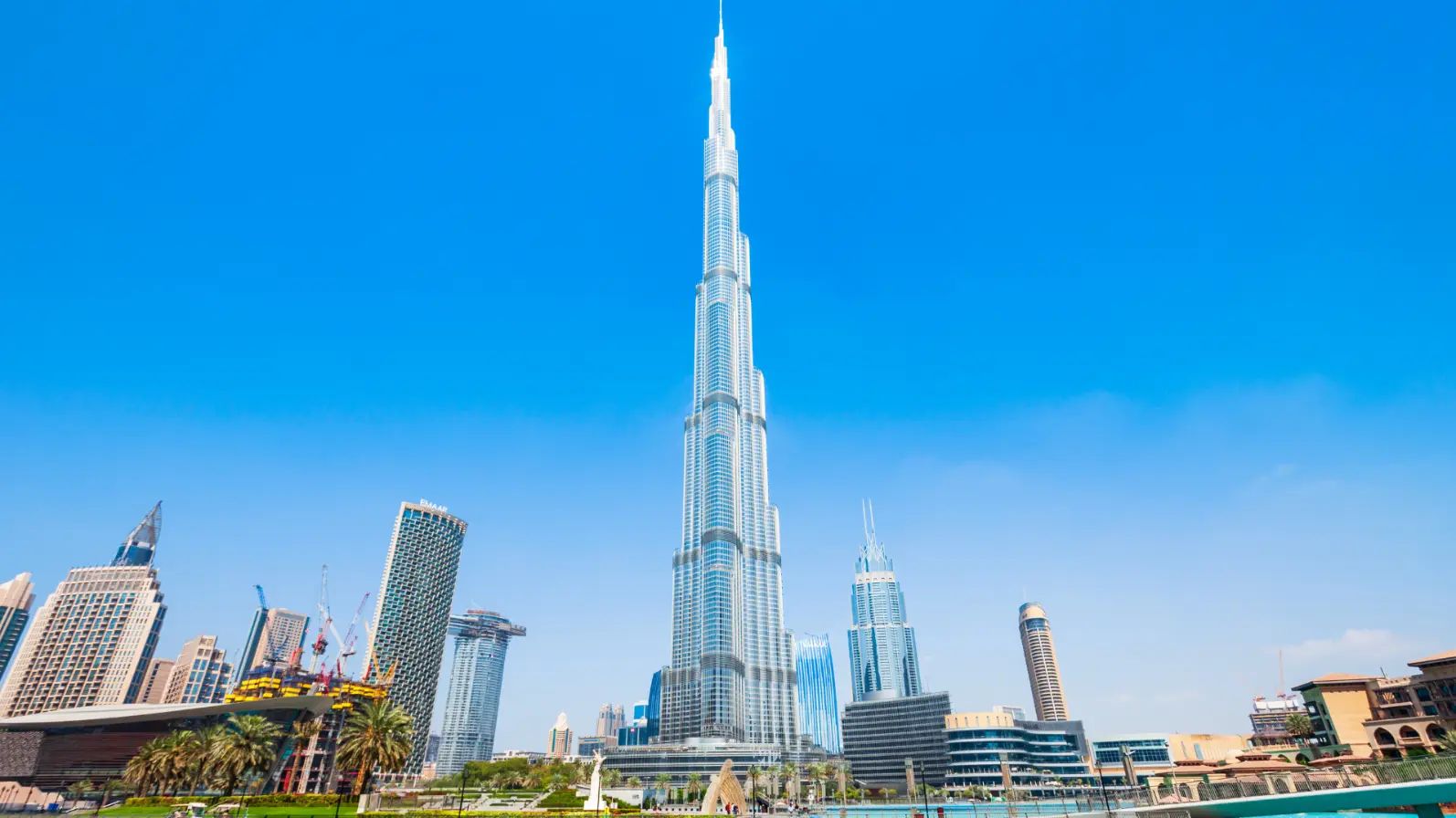
Dubai continues to position itself as one of the world’s most futuristic cities, but the next decade introduces a far more ambitious transformation. The emirate is moving beyond skyscrapers and luxury landmarks toward smart mobility, hyper-efficient transportation, sustainable districts, automated public services and digital-first governance. These eleven upgrades will redefine how residents live, move, work and invest. From air taxis to AI-driven city systems, Dubai is preparing for a future centered on connectivity, automation, environmental resilience and global competitiveness. Each initiative has long-term implications for mobility, real estate, business growth and lifestyle evolution. The following sections explore the details of each upgrade and its expected impact on Dubai’s vision for 2030 and beyond.
1. Air Taxis by 2026: Ten-Minute Urban Flights With Zero Traffic
Dubai plans to become the first city outside the United States to launch a fully operational air taxi service. By 2026, residents and visitors can travel across the city using electric vertical takeoff and landing aircraft designed for short-distance flights. Air taxis reduce travel time dramatically, transforming what would normally be a forty-minute drive into a ten-minute aerial trip. The system supports clean transport because the aircrafts run on electric power, reducing noise and emissions. Dubai’s strategy integrates air taxi stations with major business districts, airports and tourism zones. This upgrade not only eliminates road traffic for certain trips but also sets Dubai apart as a pioneer in next-generation mobility.
2. Etihad Rail: Desert Trains Connecting the UAE
The Etihad Rail project introduces a major national railway corridor crossing vast desert regions and linking major emirates. When complete, the rail system will connect Dubai with Abu Dhabi, Sharjah, Ras Al Khaimah and the western territories. Its high-speed and freight capabilities support business expansion, tourism growth and logistics efficiency. The trains are designed to operate in desert conditions with advanced cooling, sand-resistant engineering and aerodynamic technology. Etihad Rail represents one of the largest transportation upgrades in UAE history, enabling faster movement of people and goods while reducing pressure on highways.
3. Expo City Dubai: The Next Big Global District
Expo City Dubai extends the legacy of the 2020 World Expo by transforming the site into a sustainable, high-tech urban district. The development includes offices, cultural venues, laboratories, green communities and advanced learning centers. Designed as a car-free zone, the area promotes sustainability through green buildings, energy-efficient infrastructure and recycling-focused systems. Expo City supports global business through innovation clusters, creative hubs and research partnerships. It is designed to attract companies working in artificial intelligence, sustainability, hydrogen energy, architecture and digital design. As Dubai diversifies its economy, Expo City will remain a major contributor to long-term innovation.
4. The Boring Company and RTA Partnership by 2027
Dubai’s Roads and Transport Authority plans a major collaboration with Elon Musk’s Boring Company to explore tunnel-based transportation networks. These tunnels aim to reduce surface congestion by moving passengers underground through autonomous electric shuttles. The system is expected to link dense urban zones, major attractions and business districts. This upgrade represents a shift from traditional surface infrastructure to multi-layered urban mobility. By 2027, key phases of planning, feasibility analysis and technology integration will guide the rollout of this new system.
5. Dubai’s Full Digitalization by 2027
Dubai aims to become a completely paperless and fully digitized city by 2027. Government services, transactions, permits, applications and public services transition into seamless digital platforms operated through artificial intelligence. Residents can complete all official processes using smart apps integrated with automated systems. This upgrade enhances efficiency, reduces wait times, improves transparency and modernizes governance. A fully digital city eliminates paperwork and replaces traditional customer service functions with automated, data-driven responses. The initiative strengthens Dubai’s position as a global digital pioneer.
6. RTA’s Fifty-Seven New Road Projects by 2027
As population and vehicle numbers grow, Dubai’s RTA introduced fifty-seven new road development projects scheduled for completion by 2027. These include expanded highways, new junctions, improved interchanges, upgraded bridges and smarter traffic monitoring systems. The new infrastructure supports faster movement across the city, reduces congestion and ensures long-term transport resilience. Additionally, road projects include pedestrian enhancements, public transport integration and smart mobility features. The upgrades accommodate Dubai’s rapid urban expansion and ensure road networks remain among the most efficient in the world.
7. AI Services for All Government Sectors by 2028
By 2028, artificial intelligence will power most government services in Dubai. This includes predictive public administration, automated decision-making, AI-assisted healthcare planning, smart traffic control, digital policing and advanced city management. AI adoption improves accuracy, reduces human error and increases service speed across multiple sectors. Dubai plans to integrate big data, machine learning and urban sensors into a unified management platform that supports real-time city operations. This transformation establishes Dubai as a global leader in AI governance.
8. AI-Driven Metro Expansion by 2029
Dubai’s metro system is expanding with new AI-driven upgrades scheduled for 2029. The next generation of metro trains will include driverless navigation, automated scheduling, AI-powered station monitoring and real-time passenger management. The expansion links newly developed areas, business districts and residential communities. Smart stations upgrade security, digital ticketing and crowd movement efficiency. The expansion supports increasing population growth and reduces reliance on private cars, helping Dubai meet its sustainability goals.
9. A Seventy-Five-Nine Billion Dollar Market by 2029
Dubai’s combined real estate, tourism, transport, technology and logistics sectors are projected to contribute a combined seven hundred fifty-nine billion dollars to the economy by 2029. This forecast reflects strong investor confidence driven by mega-projects, population growth and international business expansion. The city continues attracting global headquarters, startups, digital innovators and luxury investors. This economic milestone reinforces Dubai’s position as a global destination for trade, investment and wealth creation.
10. Al Maktoum International Airport by 2032
Dubai’s Al Maktoum International Airport will become the world’s largest airport by 2032. Once fully operational, it is designed to handle two hundred sixty million passengers annually. The facility includes advanced cargo hubs, smart passenger processing, autonomous vehicles and futuristic aviation technologies. The airport transforms Dubai’s position in global aviation by expanding flight capacity, strengthening tourism and improving international connectivity. It represents one of Dubai’s most ambitious infrastructure projects and plays a central role in future economic growth.
11. Jebel Ali Beach: The Longest Beach Development in the UAE
Jebel Ali Beach, one of Dubai’s newest coastal developments, will become the longest beach in the UAE. It expands Dubai’s public coastline and includes recreational zones, hospitality attractions, walking trails, ecological areas and seaside neighborhoods. The project supports tourism, marine conservation and long-term urban planning. It also increases waterfront property opportunities, attracting investors and residents seeking scenic living environments. Jebel Ali Beach enhances Dubai’s global reputation as a coastal lifestyle destination.