
Chelsea Battle Back to 2-2 Draw vs Qarabag Amid Lavia Injury
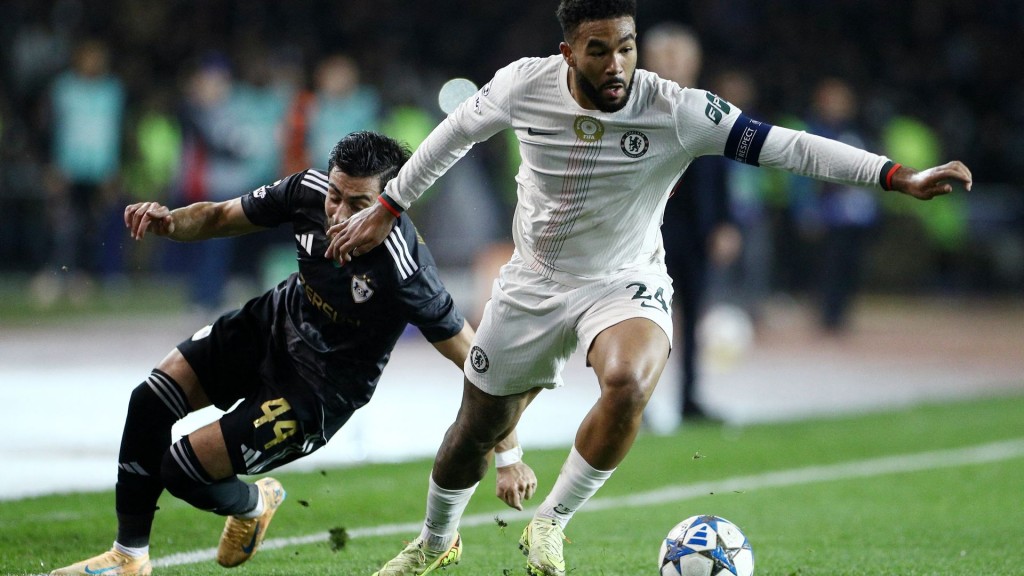
Chelsea showcased resilience and spirit in Baku on Wednesday night, clawing back from two goals down to secure a 2-2 draw against Qarabag in their UEFA Champions League group stage encounter. The comeback came despite a major setback when midfielder Romeo Lavia suffered a serious quadriceps injury early in the first half, leaving the Blues stretched in an already injury-hit midfield.
The result leaves Chelsea on seven points after four group games, keeping them firmly in the hunt for qualification to the knockout stages. Though the match started disastrously for Enzo Maresca’s side, their determination and tactical adjustments ensured they left Azerbaijan with a vital point.
Early Setback and Qarabag’s Bright Start
Chelsea entered the contest as heavy favorites, but the opening minutes told a different story. Qarabag, spurred by a raucous home crowd at the Tofiq Bahramov Stadium, pressed high and exploited gaps in Chelsea’s midfield. The visitors appeared disjointed, with their rhythm broken after just 12 minutes when Romeo Lavia pulled up clutching his leg.
The 20-year-old Belgian midfielder, making only his second start since returning from a previous injury, was substituted immediately, visibly distraught as he limped off the pitch. Reports from the Chelsea camp later confirmed a quad muscle tear, likely sidelining him for several weeks.
Without Lavia’s composure in midfield, Chelsea’s defensive structure suffered. Qarabag took advantage, opening the scoring in the 18th minute through a well-taken finish from their striker, who pounced on a misplaced pass from the back. Just ten minutes later, the Azerbaijani champions doubled their lead with a clinical counterattack, leaving goalkeeper Djordje Petrovic with no chance as the crowd erupted in celebration.
Estêvão Leads Chelsea’s Fightback
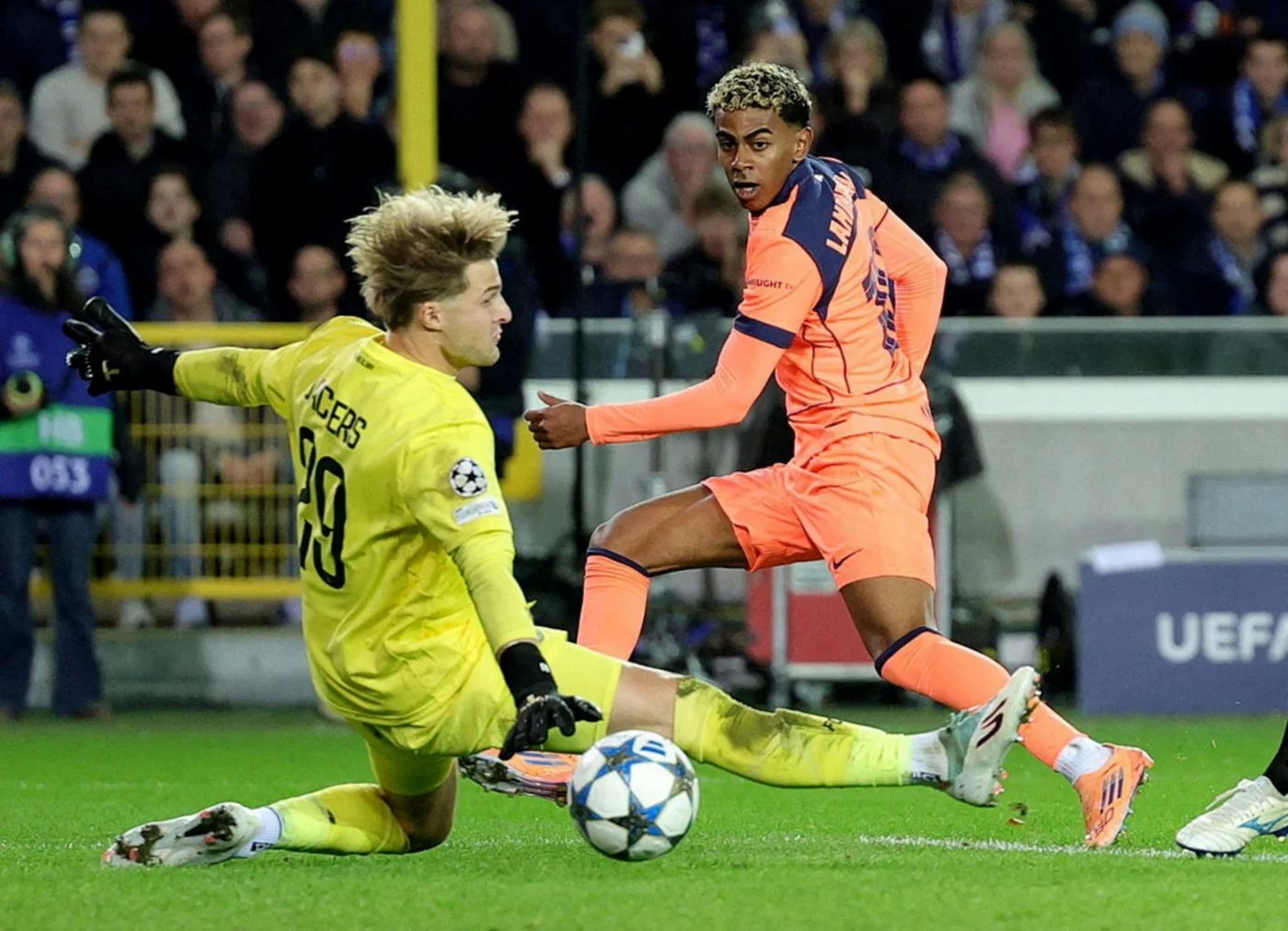
At 2-0 down, Chelsea looked rattled, but a spark came from Estêvão, the young Brazilian winger who continues to impress in European competition. In the 37th minute, he capitalized on a defensive lapse to slot home from close range, reducing the deficit and injecting belief back into the visitors.
The goal marked Estêvão’s second consecutive Champions League strike, confirming his growing reputation as one of Chelsea’s brightest young stars. His direct running and confidence on the ball troubled Qarabag’s defenders throughout the match. By halftime, Chelsea had regained control of possession, dictating play and creating several promising openings.
Maresca’s Tactical Adjustments Pay Off
Chelsea manager Enzo Maresca, facing pressure after inconsistent league results, made bold tactical changes after the break. He introduced Alejandro Garnacho and shifted the team to a more fluid 4-2-3-1 formation. The adjustment gave Chelsea more width and attacking impetus, allowing them to dominate territory and pin Qarabag deep into their own half.
The equalizer came in the 69th minute, when Garnacho—just minutes after coming on—latched onto a through ball from Cole Palmer. The Argentine winger’s low shot deflected off a defender and found the bottom corner, sending the traveling Chelsea fans into jubilation.
From there, Chelsea pushed for a winner. Mykhailo Mudryk struck the post in the 82nd minute, and Raheem Sterling saw a late header tipped over by Qarabag’s goalkeeper. Despite relentless pressure, the London club couldn’t find a third goal.
Lavia’s Injury Overshadows the Comeback
While Chelsea celebrated their fighting spirit, Romeo Lavia’s injury cast a long shadow over the night’s events. Maresca confirmed after the match that the young midfielder had sustained a “significant quad injury” and would be out for an extended period. The news compounds Chelsea’s ongoing midfield crisis, with Enzo Fernández and Carney Chukwuemeka also sidelined.
Speaking post-match, Maresca praised his team’s resilience but acknowledged the mounting challenges. “The players showed character and hunger tonight,” he said. “Coming back from 2-0 down in Europe is never easy. But losing Lavia is a huge blow—we’ll have to adapt quickly.”
Lavia’s setback is particularly frustrating for Chelsea fans, as the club has struggled to find consistency in midfield since the start of the season. His injury could force Maresca to rely more heavily on Conor Gallagher and Moisés Caicedo in the coming fixtures.
What the Draw Means for Chelsea
The 2-2 draw keeps Chelsea second in their Champions League group with seven points from four games—one point behind the leaders. Their remaining fixtures, including a decisive home match at Stamford Bridge, will determine their progression to the knockout rounds.
For Maresca, the performance offered both reassurance and warning. His team’s comeback demonstrated mental strength and adaptability, yet their defensive lapses and early-game sluggishness exposed vulnerabilities that must be addressed.
Player Performances and Key Takeaways
- Estêvão: Once again, the teenager proved decisive, showing maturity beyond his years. His goal and work rate kept Chelsea alive.
- Alejandro Garnacho: Delivered the equalizer and brought much-needed energy off the bench, staking his claim for a starting role.
- Cole Palmer: Influential in linking play and creating chances, though occasionally wasteful in front of goal.
- Djordje Petrovic: Despite conceding twice, made crucial saves late in the match to preserve the draw.
- Romeo Lavia: His early exit disrupted the team’s structure, underlining how vital he is to Chelsea’s midfield balance.
Looking Ahead
Chelsea’s next Champions League test will be at Stamford Bridge, where victory will all but secure qualification for the knockout stage. Maresca will hope to regain key players before then, as squad depth becomes increasingly strained. The team must also focus on maintaining momentum in the Premier League, where results have fluctuated.
While the draw in Baku may not feel like a victory, it demonstrated Chelsea’s resilience, hunger, and belief under adversity. In the long run, it could prove to be a turning point in their European campaign—if they can overcome the growing injury crisis.