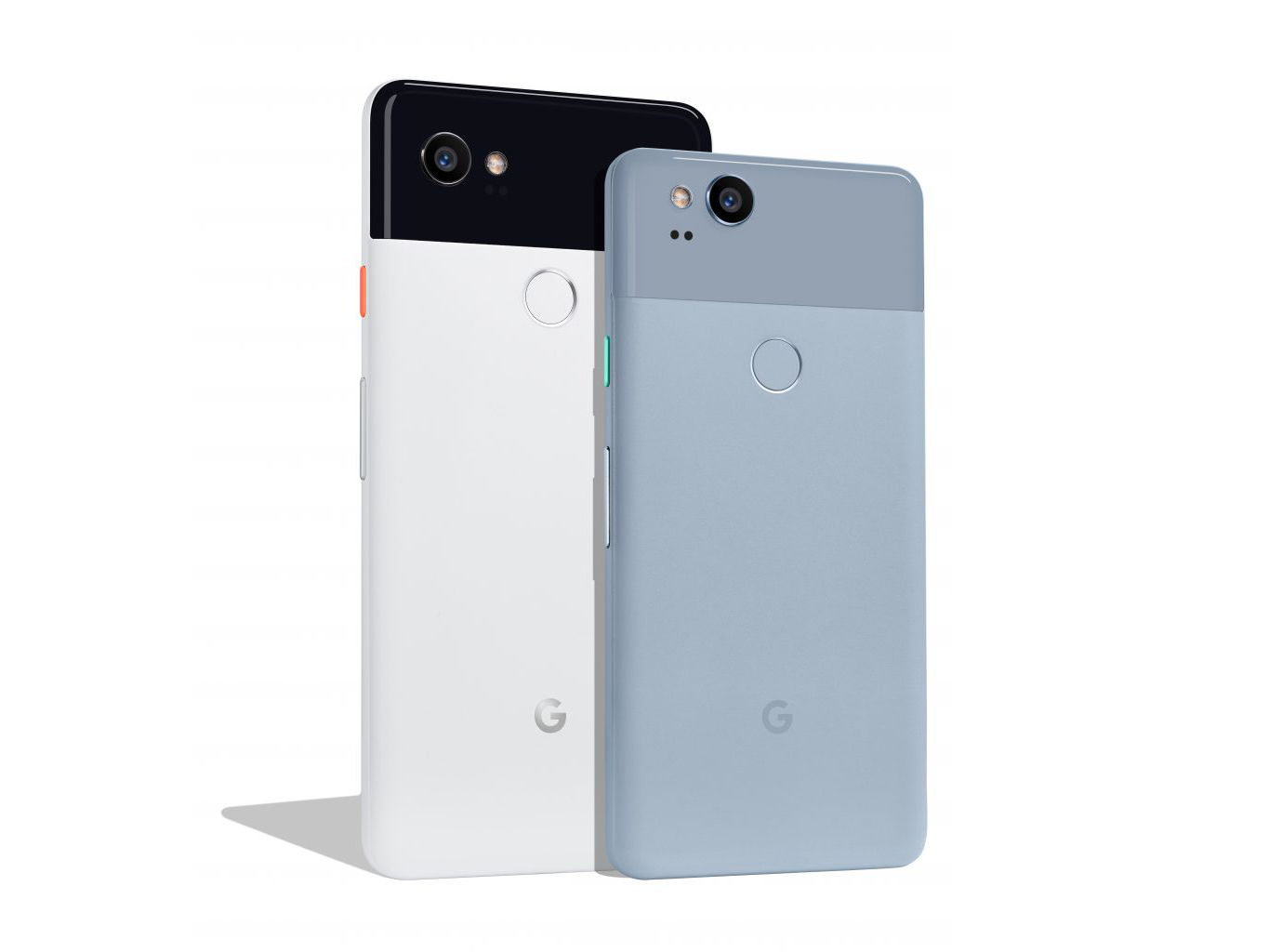
The Google Pixel 2 was unveiled in October 2017 as a compact flagship that embodied Google’s vision for intelligent, user-first smartphone design. Building on the success of the first Pixel, it refined every aspect — from performance and camera quality to software integration. Furthermore, it introduced a sleeker aluminum body, IP67 water resistance, and front-facing stereo speakers, making it both practical and premium. Released alongside the Pixel 2 XL, this model offered similar power in a smaller, more ergonomic form factor.
In addition, the Google Pixel 2 was powered by the Snapdragon 835 processor and optimized by Google’s own machine learning and software ecosystem. It delivered lightning-fast performance, extended software support, and a world-class camera experience that redefined mobile photography. Even years after its debut, it remains celebrated for its reliable build, clean Android experience, and pioneering computational photography innovations.
Google Pixel 2 Full Phone Specifications
| Category | Specification |
|---|---|
| Launch | Announced October 04, 2017; Released October 17, 2017 |
| Status | Discontinued |
| Network | GSM / CDMA / HSPA / EVDO / LTE |
| Body Dimensions | 145.7 x 69.7 x 7.8 mm (5.74 x 2.74 x 0.31 in) |
| Weight | 143 g (5.04 oz) |
| Build | Glass front (Gorilla Glass 5), aluminum/glass back, aluminum frame |
| SIM | Nano-SIM + eSIM |
| Water Resistance | IP67 dust/water resistant (up to 1m for 30 min) |
| Display Type | AMOLED |
| Display Size | 5.0 inches, 68.9 cm² (~67.9% screen-to-body ratio) |
| Resolution | 1080 x 1920 pixels, 16:9 ratio (~441 ppi density) |
| Protection | Corning Gorilla Glass 5 |
| OS | Android 8.0 (Oreo), upgradable to Android 11 |
| Chipset | Qualcomm Snapdragon 835 (10 nm) |
| CPU | Octa-core (4×2.35 GHz Kryo & 4×1.9 GHz Kryo) |
| GPU | Adreno 540 |
| Internal Storage | 64GB/128GB UFS 2.1, 4GB RAM |
| Card Slot | No |
| Main Camera | 12.2 MP, f/1.8, 27mm (wide), 1/2.55″, 1.4µm, dual pixel PDAF, OIS |
| Camera Features | Laser AF, Dual-LED flash, HDR, panorama |
| Video | 4K@30fps, 1080p@30/60/120fps, 720p@240fps (gyro-EIS) |
| Selfie Camera | 8 MP, f/2.4, 27mm (wide), 1/3.2″, 1.4µm, HDR, 1080p@30fps |
| Sound | Stereo speakers, no 3.5mm jack |
| Connectivity | Wi-Fi 802.11 a/b/g/n/ac, Bluetooth 5.0, GPS, GLONASS, BDS, GALILEO, NFC, USB Type-C 3.1 |
| Sensors | Fingerprint (rear-mounted), accelerometer, gyro, proximity, compass, barometer |
| Battery | Li-Ion 2700 mAh, non-removable |
| Charging | 10.5W wired (PD2.0) |
| Models | G011A |
| Colors | Kinda Blue, Just Black, Clearly White |
| Price | About 610 EUR |
Camera
The Google Pixel 2 introduced one of the most acclaimed smartphone cameras ever made. Its 12.2 MP rear sensor with f/1.8 aperture, dual-pixel PDAF, and optical image stabilization produced sharp, detailed, and color-accurate images across all lighting conditions. Moreover, HDR+ technology combined multiple exposures to enhance clarity and dynamic range, ensuring every shot was crisp and balanced. The camera’s computational prowess redefined single-lens photography, rivaling even dual-camera flagships.
On the front, the 8 MP selfie camera captured vibrant and natural portraits. With HDR support and Google’s AI-driven software, the front camera achieved professional-quality results without extra lenses. Consequently, the Pixel 2 became synonymous with mobile photography excellence, frequently topping global camera benchmarks.
Design and Display
The Google Pixel 2 featured a minimalist yet refined design. Its aluminum body with a glass accent panel offered a blend of durability and sophistication. The IP67 rating made it resistant to dust and water, while the rear-mounted fingerprint sensor provided quick and secure access. Furthermore, the lack of a headphone jack was offset by the inclusion of stereo front-facing speakers, which delivered powerful and clear sound quality for media playback and calls.
In terms of visuals, the 5.0-inch AMOLED display with Full HD resolution provided deep blacks, vivid colors, and high contrast. The 16:9 aspect ratio ensured traditional yet comfortable viewing, and the Gorilla Glass 5 protection guaranteed lasting screen durability. Therefore, users enjoyed an immersive and vibrant viewing experience, whether streaming videos, gaming, or reading.
Performance
Powered by the Qualcomm Snapdragon 835 chipset, the Google Pixel 2 offered top-tier performance for its time. The Octa-core Kryo CPU and Adreno 540 GPU, combined with 4GB of RAM, ensured smooth multitasking, fast app launches, and seamless gaming. In addition, UFS 2.1 storage technology improved read and write speeds, enhancing the overall responsiveness of the device.
The phone launched with Android 8.0 Oreo and was later upgraded to Android 11, giving users a modern experience with extended support. Google’s Active Edge feature allowed users to launch the Google Assistant by gently squeezing the phone’s sides, making interactions quicker and more intuitive. Moreover, the Pixel 2 benefited from regular updates and Google’s machine learning integration, which optimized performance over time and maintained long-term stability.
Battery and Charging
The 2700 mAh non-removable battery powered the Google Pixel 2 efficiently throughout the day. Despite its smaller capacity, it performed admirably thanks to excellent software optimization and the energy-efficient Snapdragon 835 chip. The device supported 10.5W Power Delivery fast charging, providing several hours of power in just a short charging session. Furthermore, adaptive battery features introduced in later updates extended runtime by prioritizing frequently used apps and reducing background power consumption.
Durability
Durability was one of the Pixel 2’s key strengths. The aerospace-grade aluminum frame ensured rigidity, while the Gorilla Glass 5 protection guarded against scratches and drops. Its IP67 water resistance added further resilience, ensuring the phone could withstand splashes and minor exposure to moisture. Over time, it proved to be a well-built device that aged gracefully, both in form and function.
Ultimately, the Google Pixel 2 embodied Google’s ideal Android smartphone — intelligent, fast, and dependable. It combined exceptional photography, refined design, and optimized software into a single, cohesive experience. Moreover, it laid the foundation for the next generation of Pixel devices, influencing the evolution of Android smartphones for years to come.