Slovakia’s Rise in the Global Automotive Industry
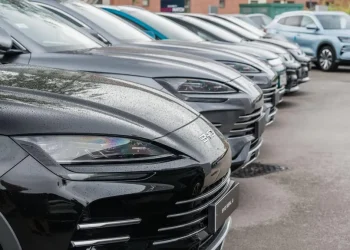
Slovakia, a small, landlocked country in Central Europe, is an unlikely automotive powerhouse. Despite its modest size and population of just over 5 million people, Slovakia has become one of the world’s largest producers of cars, making almost a million vehicles each year. This impressive achievement is due to a combination of factors including strategic location, a highly skilled workforce, low labor costs, and significant foreign investment in the country’s automotive sector. Slovakia’s rise as a car-making heavyweight has made it a crucial player in the European and global automotive markets, with some of the biggest car manufacturers, including Kia, Volkswagen, Stellantis, and Volvo, operating production plants in the country. This article explores how Slovakia went from producing subpar cars in the communist era to becoming a dominant force in the global car manufacturing industry.
A Historical Context: From Communist Struggles to Market Success

Before the Velvet Revolution of 1989, Slovakia’s automotive industry, which was part of Czechoslovakia, was struggling. The cars produced under communist rule were often poorly made, noisy, inefficient, and technologically outdated. However, with the end of communist rule and the dissolution of Czechoslovakia in 1993, Slovakia saw a chance to reinvent itself.
The transition from a state-controlled economy to a market-driven one paved the way for foreign investments, and Slovakia became an attractive destination for car manufacturers looking to expand their operations in Eastern Europe. Volkswagen was the first to seize this opportunity, making strategic investments in the country in the early 1990s. By 2000, Volkswagen had taken full control of Skoda, the major Czech car brand, and had also established a strong foothold in Slovakia, building plants in the country that would later become some of the most important car production facilities in Europe.
In the years that followed, other car manufacturers, especially those from Western Europe and Asia, recognized Slovakia’s potential and followed suit, eager to capitalize on its low-cost labor and skilled workforce. This influx of foreign investment has been crucial to Slovakia’s rise as a global automotive player.
Key Factors Behind Slovakia’s Success in Car Manufacturing
Strategic Location in Central Europe
Slovakia’s location in the heart of Europe has been one of the most critical factors behind its success in the automotive sector. Being centrally located provides easy access to major European markets, including Germany, France, the United Kingdom, and Italy. The well-developed transport infrastructure, including an extensive road and rail network, allows car manufacturers to efficiently distribute vehicles across Europe and beyond. Slovakia’s proximity to key markets ensures that cars produced in the country can be shipped quickly, reducing transportation costs and increasing the competitiveness of Slovak-made vehicles.
Skilled Workforce at Competitive Wages

One of Slovakia’s most significant advantages is its highly skilled workforce. The country has a strong tradition of engineering and manufacturing, and its education system has been effective in producing skilled workers. The automotive industry in Slovakia benefits from this talent pool, as workers in the country are known for their high productivity and technical expertise.
At the same time, Slovakia offers a significant labor cost advantage over Western European countries, making it an attractive location for multinational car manufacturers. While wages are rising, Slovak labor costs are still much lower than those in Germany, France, or the United Kingdom, allowing manufacturers to produce cars at a lower cost while maintaining high-quality standards. As a result, Slovakia has become one of the most competitive countries in Europe for car production.
Foreign Investment and Government Support
Slovakia’s success as a car-making hub is also due in large part to foreign investment. The Slovak government has played a key role in attracting automotive companies by offering various incentives, such as tax breaks and subsidies. These incentives have made Slovakia an appealing destination for manufacturers, and the presence of companies like Kia, Volkswagen, Stellantis, and Jaguar Land Rover has helped establish the country as one of the leading automotive production centers in Europe.
Additionally, Slovakia’s strategic economic policies have contributed to the development of a robust automotive ecosystem. The government has supported the growth of the industry by investing in infrastructure and offering assistance to car manufacturers in terms of research and development. The government has also invested in education and training programs to ensure that there is a continuous supply of skilled workers for the automotive sector.
Slovakia’s Automotive Industry Today: A Diverse and Competitive Sector

Slovakia is home to several major car manufacturers that operate in the country’s thriving automotive industry. Kia’s massive factory in Zilina, which produces over 350,000 cars annually, is one of the largest production plants in Europe. Kia’s investment in Slovakia has been crucial to the country’s success, providing thousands of jobs and contributing significantly to the Slovak economy.
Volkswagen also has a major presence in Slovakia, with its factory in Bratislava producing popular models such as the VW Touareg and Audi Q7. The plant is one of Volkswagen’s most important in Europe, and it plays a critical role in the company’s production strategy.
Stellantis, the parent company of brands such as Peugeot, Citroën, and Fiat, also operates production plants in Slovakia. In addition, Jaguar Land Rover has a manufacturing facility in the country, further cementing Slovakia’s role as a global automotive hub.
Slovakia is also poised to expand its automotive sector with new investments in electric vehicles (EVs). Volvo, for example, has announced plans to open an electric vehicle factory in Slovakia by 2027. This move signals Slovakia’s commitment to remaining at the forefront of the automotive industry as the world transitions to greener, more sustainable transportation.
Slovakia’s Competitive Advantage in the Global Automotive Market
Slovakia’s automotive industry benefits from several key competitive advantages that help it maintain its position as a top global player in car manufacturing:
- High-Quality Production with Low Costs: Slovakia produces cars of excellent quality at a fraction of the cost of Western European manufacturers, thanks to its skilled workforce and lower labor costs. This allows Slovak-produced cars to compete on price while maintaining high standards of quality.
- Central Location and Efficient Supply Chain: Slovakia’s central location in Europe makes it an ideal location for car manufacturers to produce vehicles and distribute them quickly to key markets across the continent. The country’s well-developed transport infrastructure also helps streamline the production and supply chain process.
- Support for Electric Vehicles: Slovakia’s commitment to sustainability and low-carbon energy generation positions it as an attractive location for electric vehicle production. The country’s renewable energy sources, including hydro and nuclear power, help reduce the carbon footprint of electric vehicle production, making it an attractive destination for companies looking to manufacture EVs.
The Future of Slovakia’s Automotive Industry: Challenges and Opportunities
As Slovakia’s automotive industry continues to grow, there are both opportunities and challenges on the horizon. One of the key opportunities is the shift toward electric vehicles, with Slovakia’s growing investment in EV manufacturing positioning it to capitalize on the global shift to cleaner transportation.
However, the industry also faces challenges, particularly as wages rise and competition from other Eastern European countries intensifies. Slovakia will need to continue investing in innovation, workforce training, and infrastructure to maintain its competitive edge in the global automotive market.
In addition, global supply chain disruptions, such as the semiconductor shortage that affected the automotive industry in 2021 and 2022, could pose risks to Slovakia’s car production. The country’s ability to navigate these disruptions and maintain stable production levels will be key to its continued success.
A Tiny Country with a Big Impact
Slovakia’s rise as a global car-making heavyweight is a remarkable success story. Despite its small size, the country has become one of the world’s largest car producers, attracting major international manufacturers and creating a thriving automotive ecosystem. Slovakia’s combination of a skilled workforce, competitive labor costs, and strategic location has made it a vital player in the European and global automotive markets. As the country continues to invest in electric vehicle production and strengthen its position in the global supply chain, Slovakia’s automotive industry is poised for continued growth and success in the years to come.