

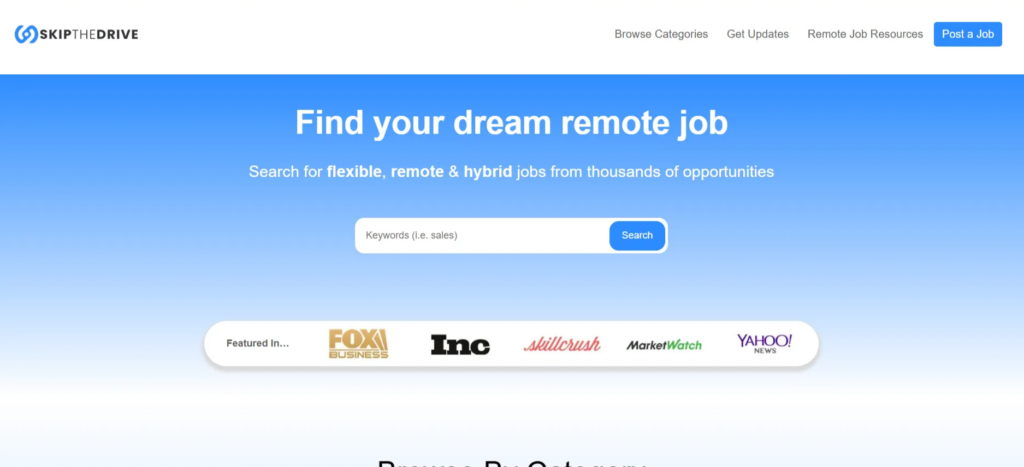
As remote work becomes the global standard, millions of professionals are seeking flexible online opportunities. However, finding verified remote job listings can be challenging due to the rise of fake postings and recruitment scams. Knowing where and how to look helps ensure your job search is safe, efficient, and rewarding. Whether you’re a freelancer, full-time professional, or digital nomad, the following strategies and platforms will help you secure legitimate remote jobs.
Use Reputable Remote Job Boards
Start your search on platforms that specialize in verified remote positions.
- FlexJobs is one of the most trusted sites for legitimate remote, hybrid, and freelance work. Every job is manually screened before posting to eliminate scams. Though it requires a small subscription fee, the assurance of verified listings makes it worthwhile.
- Remote.co and We Work Remotely are free platforms that curate remote jobs from credible employers in tech, marketing, design, and customer support. They maintain strict posting standards to ensure authenticity.
- Jobspresso and Remotive also feature hand-picked listings, allowing you to filter by company size, salary, and job type.
Check Major Job Platforms with Verification Filters
Traditional job sites now include filters for verified remote opportunities.
- LinkedIn Jobs offers a “Remote” filter where verified employers post flexible roles. You can check company profiles, employee connections, and recruiter credentials to confirm legitimacy.
- Indeed allows you to filter by “Remote” and check for employer reviews, official websites, and verified company badges.
- Glassdoor not only lists remote jobs but also includes employee feedback, salary data, and company ratings to help you identify genuine employers.
Apply Through Company Career Pages
Many established companies post remote roles directly on their official websites. Visit the Careers section of organizations like Google, Meta, HubSpot, Zapier, and Shopify, which frequently hire remote talent. This method ensures you’re applying directly to the employer without third-party interference or scams. Bookmark your favorite company pages and sign up for job alerts to stay updated on new opportunities.
Leverage Freelance and Gig Platforms
Freelancers can find verified short-term or project-based work on trusted gig platforms.
- Upwork and Fiverr verify client payment methods before allowing transactions, reducing risk for freelancers.
- Toptal screens both freelancers and clients, ensuring that all jobs are real and well-compensated.
- PeoplePerHour and Guru provide feedback systems and escrow payments to guarantee security between employers and freelancers.
Join Verified Remote Work Communities
Networking with remote professionals can lead to legitimate job leads. Online communities like Remote OK Slack, Digital Nomad Reddit threads, and Facebook groups such as “Remote Work Professionals” often share verified listings from real recruiters. When joining these communities, verify the credibility of posters and avoid sharing sensitive information.
Recognize and Avoid Job Scams
Scammers often mimic legitimate postings to steal information or money. Protect yourself by following these rules:
- Never pay to apply for a job or purchase “starter kits.”
- Verify company emails — legitimate recruiters use corporate domains, not free email services.
- Research the company’s website, reviews, and contact information before applying.
- Watch for unrealistic salaries, poor grammar in listings, or vague job descriptions — all red flags of fake offers.
- Conduct interviews only on official platforms like Zoom or Microsoft Teams; avoid unverified chat apps or messaging services.
Subscribe to Job Newsletters and Alerts
Stay informed by subscribing to trusted remote job newsletters like DailyRemote, Remote OK Digest, and The Remote Work Tribe. These curated newsletters deliver screened job postings directly to your inbox, saving time and reducing the risk of encountering fraudulent listings.
Use Verification Tools and Browser Extensions
Certain browser tools can help confirm authenticity. HoneyBook and Trustpilot allow users to verify employer legitimacy through company reviews. Whois Lookup can reveal website ownership details, while LinkedIn Recruiter Insights shows how long a recruiter has worked with a company — valuable for confirming genuine offers.
Build a Strong Online Profile
Employers often reach out directly to verified professionals. Create or update your profiles on LinkedIn, Upwork, and Remote OK with a clear bio, verified identity, portfolio, and work samples. Verified profiles attract better offers and reduce the likelihood of scams since clients prefer working with authenticated freelancers and professionals.
Why Verification Matters in Remote Work
The global shift to remote employment has increased both opportunity and risk. Verified listings protect you from scams, ensure fair compensation, and help maintain a professional reputation. Reliable job boards, official company sites, and community recommendations are your safest bet. By being vigilant and using trusted resources, you can find remote work that’s both legitimate and rewarding