

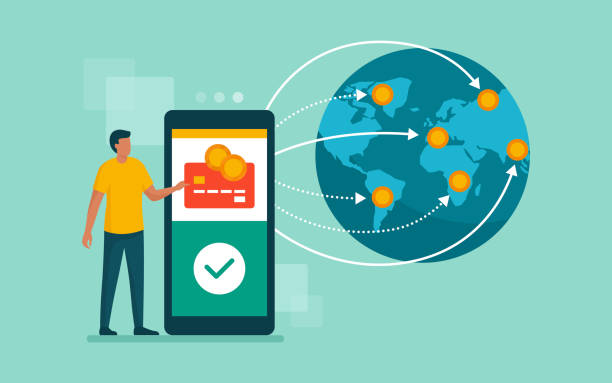
Sending money internationally has become increasingly easy with advancements in technology and the growing number of financial services available. Whether you’re sending money to family or friends, paying for goods or services, or conducting business transactions, there are various methods and services to consider. This guide explores the most common ways to send money internationally, along with tips on how to ensure your transfer is secure, cost-effective, and fast.
1. Bank Transfers
One of the most traditional and secure methods for sending money internationally is via a bank transfer. Most banks offer international money transfer services, allowing you to send funds directly from your account to the recipient’s account. While convenient, bank transfers can sometimes be slow and costly, especially if you use a traditional wire transfer service like SWIFT.
Steps for Sending Money Through a Bank Transfer
- Choose your bank: Check with your bank to see if they offer international transfers, and inquire about fees, transfer limits, and the time it takes to process the transfer.
- Provide necessary information: You’ll need the recipient’s bank details, including their full name, account number, SWIFT/BIC code, and the name and address of their bank.
- Initiate the transfer: You can do this in person at your bank or online if your bank offers online banking services.
- Wait for the transfer to be completed: Bank transfers can take anywhere from 1 to 5 business days, depending on the countries involved and the type of service used.
2. Online Money Transfer Services
Online money transfer services have become incredibly popular for sending money internationally due to their convenience, lower fees, and faster processing times compared to banks. Companies like PayPal, Wise (formerly TransferWise), Remitly, and WorldRemit provide easy-to-use platforms to send money to almost any country.
Steps for Sending Money Through Online Services
- Choose a service provider: Compare services like PayPal, Wise, and Remitly to find the one that offers the best exchange rates, fees, and delivery options for your needs.
- Create an account: You’ll need to set up an account with your chosen provider, providing personal details and payment methods (credit card, debit card, or bank account).
- Enter recipient details: Provide the recipient’s name, country, and banking or mobile details (depending on how they will receive the money).
- Select payment method: You can pay with a bank account, debit card, or credit card, depending on the service.
- Complete the transfer: Confirm the details and send the money. Transfers typically take a few minutes to a few hours, depending on the provider and delivery method.
3. Money Transfer Agents
Money transfer agents, such as Western Union and MoneyGram, have physical locations around the world where you can send money in person. These agents allow you to send funds either for direct deposit into a bank account or for cash pickup at a local branch in the recipient’s country.
Steps for Sending Money Through a Transfer Agent
- Find a location: Visit a local agent, or use their website to find a nearby branch or agent location.
- Provide details: You will need to provide the recipient’s name and country and choose the payment method (cash or bank transfer).
- Pay for the transfer: You can pay for the transfer with cash, debit card, or credit card. Fees will vary based on the amount you are sending and the destination country.
- Send the money: Once the payment is made, the agent will process the transaction and provide you with a receipt.
- Recipient picks up the funds: The recipient can pick up the funds at a local agent location. This method is particularly useful for people without a bank account.
4. Cryptocurrency Transfers
Cryptocurrency, such as Bitcoin, Ethereum, and stablecoins, can also be used for international money transfers. Using cryptocurrency eliminates intermediaries like banks and transfer services, reducing fees and increasing the speed of transactions. However, it requires both parties to have a cryptocurrency wallet, and the recipient needs to be familiar with how to use digital currencies.
Steps for Sending Money Using Cryptocurrency
- Choose a cryptocurrency exchange: Popular platforms like Coinbase, Binance, and Kraken allow you to buy and sell cryptocurrency. You’ll need to choose an exchange that supports your preferred cryptocurrency.
- Set up a wallet: Both you and the recipient need a cryptocurrency wallet to store and send funds. Wallets can be either software (online) or hardware (physical devices).
- Buy cryptocurrency: Purchase cryptocurrency with your local currency through an exchange or wallet app.
- Send the cryptocurrency: Using the recipient’s wallet address, you can send cryptocurrency directly to their wallet. This process typically takes only a few minutes.
- Recipient converts to local currency: The recipient can either hold the cryptocurrency or convert it to their local currency through an exchange.
5. Mobile Money Transfers
Mobile money services, such as M-Pesa in Kenya, Paytm in India, and GCash in the Philippines, are becoming increasingly popular for sending money internationally. These services allow users to send money via mobile phones, often without the need for a bank account.
Steps for Sending Money Using Mobile Money
- Choose a mobile money service: Pick a provider that offers international money transfers. Services like PayPal and Western Union also support mobile transfers.
- Link your bank account or card: Connect your bank account or payment method to the mobile app.
- Select the recipient: You can send money directly to the recipient’s mobile wallet or link to their bank account if the service supports it.
- Complete the transfer: Follow the steps in the app to send the money. The transfer is usually completed within minutes.
- Recipient receives funds: The recipient can either use the money directly in their mobile wallet or withdraw it at an agent or bank.
Choosing the Best Method for Sending Money Internationally
When deciding on the best method for sending money internationally, several factors should be considered:
- Speed: How quickly does the money need to arrive? Bank transfers can take several days, while services like online transfers and money transfer agents can complete the transaction within minutes to hours.
- Fees: What is the cost of the transaction? Some services charge high fees for international transfers, especially with small amounts, while others, like Wise, offer competitive exchange rates and low fees.
- Exchange rates: Different services offer different exchange rates, which can affect the total amount the recipient gets. Always check the current exchange rate before sending money.
- Security: Ensure the service you use is trustworthy and secure. Look for services with a good track record and strong encryption to protect your information.


