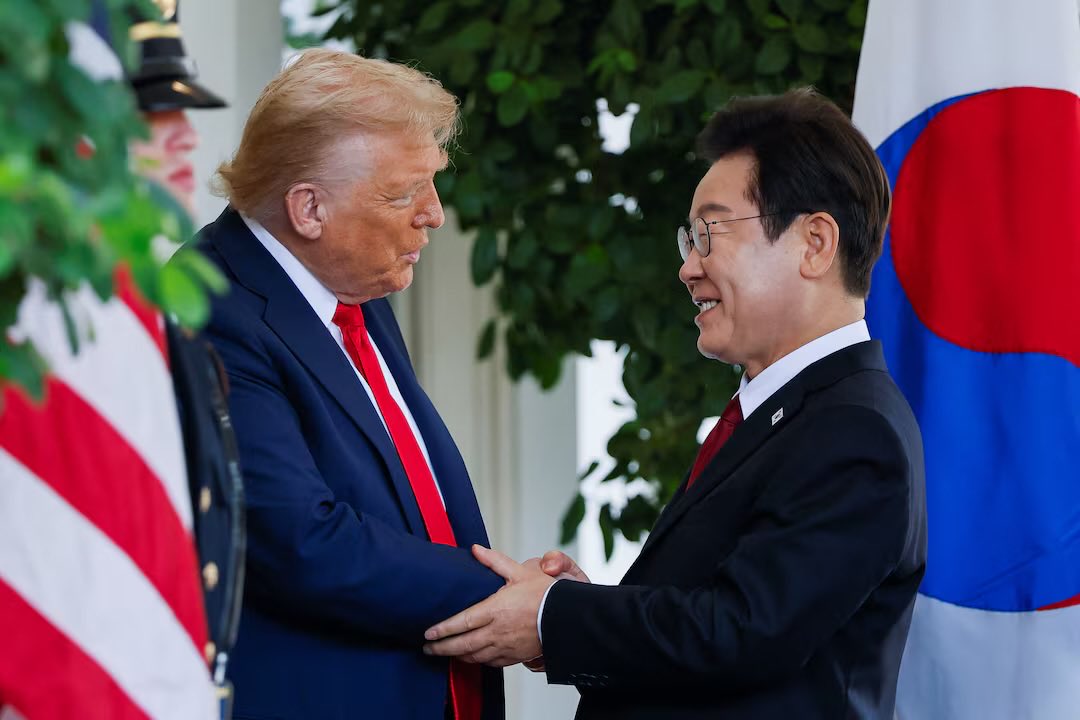
In a groundbreaking trade agreement, South Korea has agreed to pay $350 billion to the United States in exchange for reduced tariffs on its goods and a commitment to purchase “vast quantities” of American oil and gas. This deal, which marks a significant shift in global economic relations, aims to bolster trade ties between the two countries while promoting economic growth and energy security. South Korea’s willingness to make such a large financial commitment highlights its strategic importance in the global economy and its determination to strengthen its alliance with the United States. The agreement could have far-reaching implications for global trade dynamics, energy markets, and the broader geopolitical landscape.
The Terms of the Agreement
The $350 billion deal, which was brokered through intense negotiations, addresses two key areas of concern for both countries: tariffs and energy security. Under the terms of the agreement, South Korea will pay the United States $350 billion over a set period, a substantial sum that is expected to impact both countries’ economies. In return, the US will lower tariffs on a range of South Korean goods, making South Korean products more competitive in the American market.
The agreement also includes a major energy component. South Korea has committed to purchasing “vast quantities” of American oil and gas, significantly boosting demand for US energy exports. This purchase is part of a broader effort by South Korea to diversify its energy sources and reduce reliance on other suppliers, particularly in the Middle East and Russia. By increasing its imports of American energy, South Korea hopes to secure a more stable and reliable energy supply, while also providing a much-needed boost to the US energy sector.
The Strategic Importance of Lower Tariffs
For South Korea, the reduction in tariffs is a crucial aspect of the agreement. Over the years, the US has imposed tariffs on a wide range of South Korean goods, including automobiles, steel, and electronics. These tariffs have made it more difficult for South Korean companies to compete in the US market, which is one of the largest and most lucrative in the world. By agreeing to pay a significant sum to lower these tariffs, South Korea is hoping to make its products more attractive to American consumers and businesses.
The lowered tariffs are expected to benefit a wide array of South Korean industries, particularly the automotive and technology sectors. South Korea is home to some of the world’s largest car manufacturers, including Hyundai and Kia, which have faced significant barriers to entering the US market due to high tariffs. Lower tariffs will make their vehicles more affordable to American consumers, potentially increasing sales and boosting South Korea’s export economy. Similarly, South Korean electronics manufacturers, including Samsung and LG, stand to benefit from reduced tariffs on their products, which could help them gain a stronger foothold in the highly competitive US electronics market.
The Energy Deal: A Major Win for the US
Perhaps the most significant aspect of the agreement is South Korea’s commitment to purchasing “vast quantities” of American oil and gas. This part of the deal represents a major win for the US energy sector, which has been expanding rapidly in recent years thanks to technological advancements in shale oil production and natural gas extraction. By increasing its energy exports, the US can further solidify its position as a global energy powerhouse.
For South Korea, this energy deal is a crucial step in ensuring its energy security. The country has long been reliant on imports from the Middle East and Russia for its oil and gas supplies. However, recent geopolitical tensions and instability in those regions have prompted South Korea to seek more stable and diversified sources of energy. By purchasing large quantities of American oil and gas, South Korea can mitigate the risks associated with relying on a few suppliers and ensure a steady, reliable supply of energy for its industries and consumers.
The energy deal also provides South Korea with the opportunity to negotiate better prices and terms with US energy producers. Given the vast scale of the purchase, South Korea is likely to secure favorable pricing, which will benefit both parties. For the US, the deal represents an opportunity to further expand its energy exports, which have become an increasingly important aspect of the country’s foreign policy and economic strategy.
Economic and Geopolitical Implications
The agreement between South Korea and the United States has significant economic and geopolitical implications. Economically, the deal is expected to boost both countries’ economies. South Korea’s industries will benefit from reduced tariffs, while the US energy sector will see increased demand for its oil and gas exports. In addition, the agreement will likely foster closer trade relations between the two countries, with both sides benefiting from a more stable and predictable economic environment.
Geopolitically, the deal underscores the importance of the US-South Korea alliance. In a time of rising tensions with China and North Korea, South Korea’s commitment to strengthening its economic ties with the United States sends a strong message about its strategic priorities. By aligning itself more closely with the US, South Korea aims to secure its position in a rapidly changing global landscape, where economic and military alliances are increasingly important.
For the United States, the deal is a significant step in its efforts to counter China’s growing influence in the region. By strengthening ties with South Korea, the US aims to maintain its role as a key player in East Asia, while also ensuring that its energy exports remain competitive on the global stage. The deal also serves as a potential model for future agreements with other countries looking to secure more favorable trade terms and energy deals with the US.
Challenges and Criticisms
Despite the benefits, the agreement has faced some criticism and challenges. Some experts argue that the $350 billion payment is a heavy financial burden for South Korea, which may have long-term economic consequences. Critics also question whether the tariff reductions will lead to meaningful economic gains for South Korea, particularly given the complexity of global trade relations and the potential for future trade disputes.
Furthermore, the large-scale purchase of American oil and gas has raised concerns about South Korea’s energy independence. While the deal provides short-term stability, some worry that it could make South Korea too reliant on the US for its energy needs, potentially limiting its ability to diversify its energy sources in the future.